
Introduction to the DASH Diet
The Dietary Approaches to Stop Hypertension (DASH) diet is a scientifically backed meal plan designed to help reduce blood pressure and promote overall health. Originally developed to combat hypertension, the DASH diet is now widely recognized for its comprehensive health benefits, including weight management, improved heart health, and reduced risk of chronic diseases. This article explores how you can transform your health with a DASH diet meal plan.
Understanding the Principles of the DASH Diet
The DASH diet emphasizes the consumption of whole foods while reducing sodium intake. It encourages the consumption of fruits, vegetables, lean proteins, whole grains, and low-fat dairy products. The diet is rich in nutrients such as potassium, calcium, magnesium, and fiber, which play a crucial role in maintaining optimal health and lowering blood pressure.
Benefits of the DASH Diet
1. Lower Blood Pressure
One of the primary benefits of the DASH diet is its ability to lower blood pressure. By focusing on nutrient-rich foods and reducing sodium intake, the DASH diet helps in maintaining a healthy blood pressure level, which is crucial for preventing cardiovascular diseases.
2. Improved Heart Health
The DASH diet is heart-friendly, as it emphasizes foods that are low in saturated fat and cholesterol. It promotes the consumption of healthy fats, such as those found in nuts, seeds, and fish, which can enhance heart health and reduce the risk of heart attacks and strokes.
3. Weight Management
Adopting a DASH diet can be an effective strategy for weight management. The emphasis on whole foods, fiber-rich fruits, and vegetables can help control appetite and promote a feeling of fullness, making it easier to maintain a healthy weight.
4. Reduced Risk of Chronic Diseases
The DASH diet has been associated with a lower risk of developing chronic diseases such as type 2 diabetes, certain types of cancer, and kidney disease. The diet’s focus on balanced nutrition and healthy eating patterns contributes to overall disease prevention.
Components of a Balanced DASH Diet Meal Plan
A balanced DASH diet meal plan incorporates a variety of food groups, ensuring you receive all essential nutrients. Here’s a closer look at the components of a DASH diet:
Fruits and Vegetables
Fruits and vegetables are the cornerstone of the DASH diet. They are rich in vitamins, minerals, and antioxidants, which are vital for maintaining good health. Aim for at least four to five servings of each per day to meet dietary requirements.
Whole Grains
Whole grains such as brown rice, whole wheat bread, oats, and quinoa are excellent sources of energy and fiber. They help regulate blood sugar levels and provide sustained energy throughout the day. Include six to eight servings of whole grains in your daily meal plan.
Lean Proteins
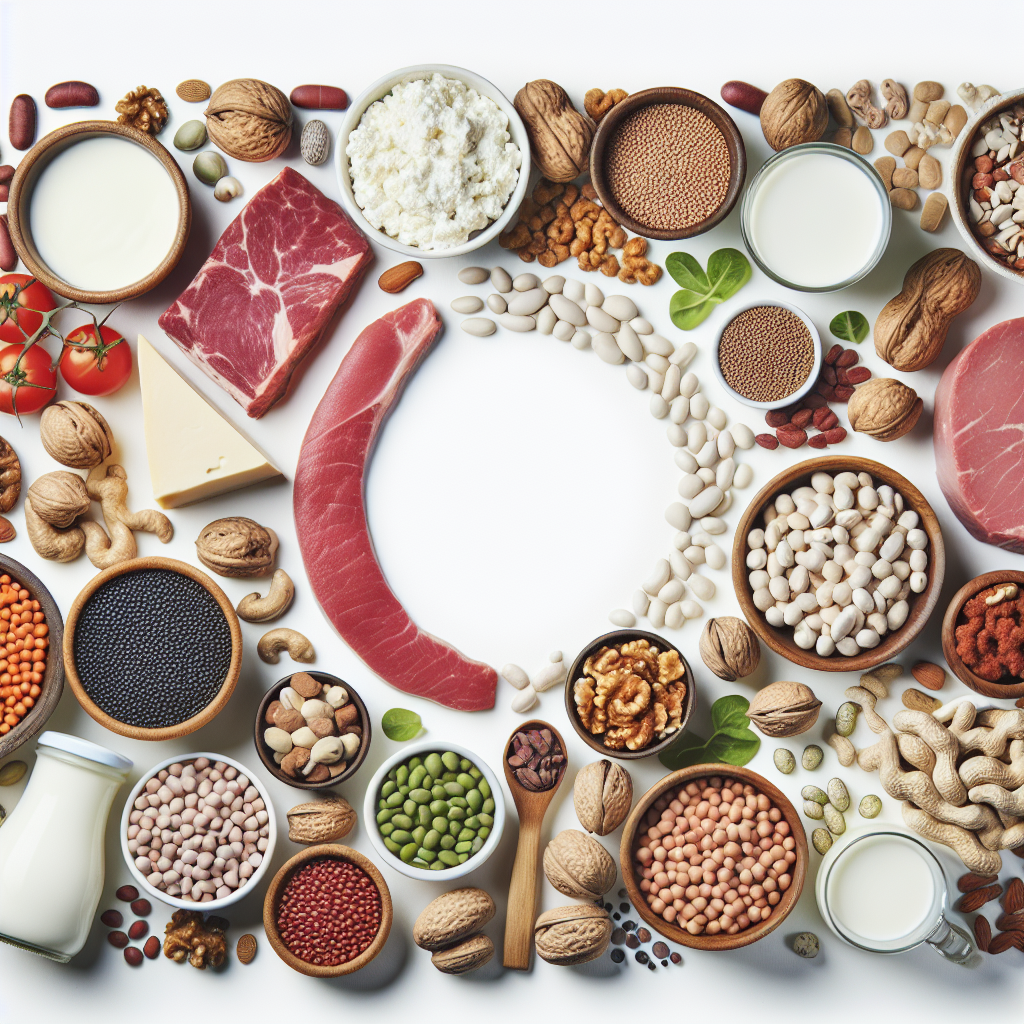
Lean proteins, including poultry, fish, beans, and legumes, are essential for muscle repair and growth. The DASH diet recommends two or fewer servings of lean meat, poultry, or fish per day, complemented by plant-based protein sources.
Low-Fat Dairy
Dairy products are a key source of calcium and vitamin D. Opt for low-fat or fat-free dairy products, such as milk, yogurt, and cheese, to maintain bone health and reduce calorie intake. Aim for two to three servings per day.
Nuts, Seeds, and Legumes
Incorporating nuts, seeds, and legumes into your diet can provide healthy fats, protein, and fiber. These foods are beneficial for heart health and should be consumed in moderation, with four to five servings per week.
Healthy Fats
Healthy fats, including those found in olive oil, avocados, and fatty fish, are essential for heart health and should be consumed in moderation. Limit saturated fats and eliminate trans fats from your diet.
Reduced Sodium
The DASH diet emphasizes reducing sodium intake to less than 2,300 milligrams per day, with an ideal goal of 1,500 milligrams for optimal health benefits. This involves avoiding processed foods and choosing fresh, whole ingredients.
Sample DASH Diet Meal Plan
Here’s a sample meal plan to give you an idea of how to structure your meals according to the DASH diet:
Breakfast
– Whole grain toast with almond butter
– A serving of fresh berries
– Low-fat yogurt sprinkled with flaxseeds
– Herbal tea or black coffee
Lunch
– Grilled chicken salad with mixed greens, cherry tomatoes, cucumbers, and a vinaigrette dressing
– A whole-grain roll
– A piece of fruit, such as an apple or a banana
Snack
– A handful of unsalted almonds or walnuts
– Baby carrots or celery sticks
Dinner
– Baked salmon with lemon and herbs
– Steamed broccoli and quinoa
– Mixed green salad with olive oil and vinegar dressing
Dessert
– Fresh fruit salad or a small serving of low-fat frozen yogurt
Tips for Success on the DASH Diet
Successfully adopting the DASH diet requires mindful planning and commitment. Here are some tips to help you stay on track:
1. Plan Your Meals
Take time to plan your meals and snacks for the week. This ensures you have all necessary ingredients on hand and reduces the temptation to opt for less healthy options.
2. Be Mindful of Portions
Keeping portion sizes in check is crucial for maintaining a balanced diet. Use measuring cups and food scales to help control serving sizes and avoid overeating.
3. Read Food Labels
When shopping for groceries, pay attention to food labels. Look for products with low sodium content and minimal added sugars and unhealthy fats.
4. Stay Hydrated
Drinking plenty of water is essential for overall health. Aim to drink at least eight glasses of water a day and limit sugary drinks and sodas.
5. Gradual Transition
If you’re new to the DASH diet, consider making gradual changes to your eating habits. Slowly introduce more fruits, vegetables, and whole grains into your meals while reducing sodium and unhealthy fats.
Conclusion
The DASH diet is more than just a meal plan; it’s a lifestyle change that can significantly improve your health and well-being. By focusing on whole foods, balanced nutrition, and reducing sodium intake, you can lower your blood pressure, enhance heart health, manage your weight, and reduce the risk of chronic diseases. With commitment and mindful eating habits, the DASH diet can be your path to a healthier, happier life.










Add comment