
Understanding the DASH Diet
The Dietary Approaches to Stop Hypertension (DASH) diet is a well-researched eating plan designed to help prevent and manage hypertension (high blood pressure). It emphasizes the consumption of fruits, vegetables, lean proteins, whole grains, and low-fat dairy while reducing the intake of sodium, saturated fats, and added sugars. The DASH diet is not only effective for blood pressure management but also supports overall heart health and weight management.
Benefits of the DASH Diet
Adopting the DASH diet can lead to numerous health benefits, including:
- Lower Blood Pressure: By focusing on nutrient-rich foods, the DASH diet helps reduce sodium intake and promotes cardiovascular health.
- Improved Heart Health: With an emphasis on heart-healthy foods, the DASH diet can reduce the risk of heart disease.
- Weight Loss: By promoting balanced meals and portion control, the DASH diet can support weight management.
- Reduced Risk of Diabetes: The diet encourages the consumption of whole foods, which can help regulate blood sugar levels.
Essential DASH Diet Grocery Shopping Tips
To successfully follow the DASH diet, it’s crucial to plan your grocery shopping strategically. Here are essential tips to help you make informed choices:
Plan Your Meals
Before heading to the grocery store, take the time to plan your meals for the week. This will not only save you time and money but also ensure you’re adhering to the DASH guidelines. Consider incorporating a variety of fruits, vegetables, lean proteins, and whole grains into your meal plan.
Create a Shopping List
Once you have your meals planned, create a detailed shopping list. Organize your list by categories such as produce, dairy, grains, and proteins to streamline your shopping experience. Stick to your list to avoid impulse purchases of unhealthy items.
Focus on Fresh Produce
Fruits and vegetables are foundational to the DASH diet. Aim to fill half your cart with a colorful array of produce. Choose fresh, seasonal items when possible, as they tend to be more affordable and flavorful. Stock up on leafy greens, berries, apples, citrus fruits, carrots, and peppers.
Choose Whole Grains
Whole grains are an important component of the DASH diet, providing essential fiber and nutrients. Look for whole-grain bread, brown rice, quinoa, oatmeal, and whole-grain pasta. Check labels to ensure whole grains are the first ingredient listed.
Select Lean Proteins
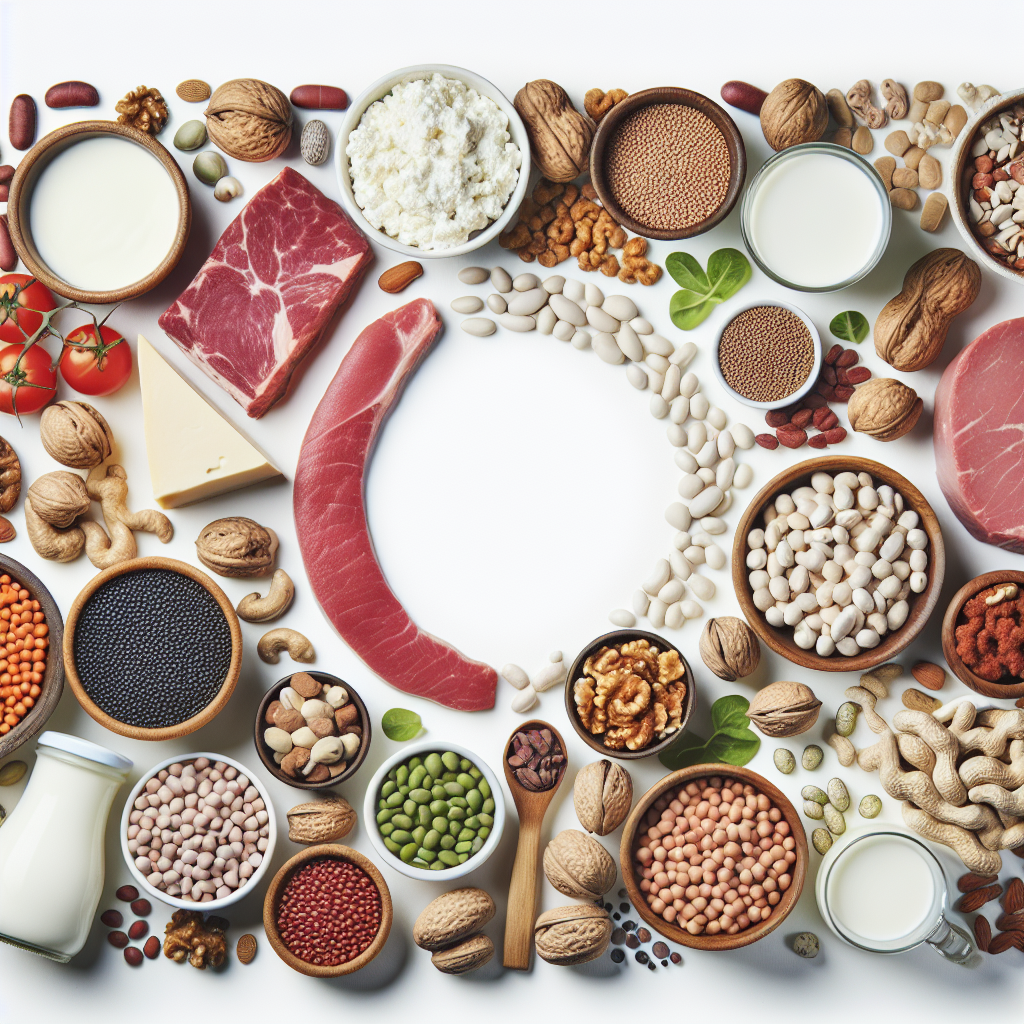
Opt for lean sources of protein such as chicken breast, turkey, fish, beans, and tofu. These options are lower in saturated fat and support heart health. Try incorporating plant-based proteins like lentils and chickpeas for variety.
Opt for Low-Fat Dairy
Dairy products are part of the DASH diet, but it’s important to choose low-fat or fat-free options. Look for skim milk, low-fat yogurt, and reduced-fat cheese. These choices provide calcium and vitamin D without the added saturated fat.
Limit Sodium Intake
Sodium reduction is a key aspect of the DASH diet. Be mindful of sodium content in packaged and processed foods. Opt for no-salt-added or low-sodium versions whenever possible. Flavor your meals with herbs, spices, and citrus instead of salt.
Be Mindful of Fats and Sugars
While healthy fats are part of the DASH diet, it’s important to consume them in moderation. Choose unsaturated fats from sources like olive oil, nuts, and avocados. Avoid trans fats and limit saturated fats found in butter and fatty meats. Additionally, minimize added sugars by choosing natural sweeteners and limiting sugary beverages.
Read Nutrition Labels
Understanding nutrition labels is crucial for making informed choices. Pay attention to serving sizes, calories, sodium, added sugars, and the presence of whole grains. Compare products and choose those with the best nutritional profile.
Shop Smart in the Center Aisles
While the perimeter of the store is where fresh produce, meats, and dairy are located, don’t neglect the center aisles. Here, you’ll find essential pantry staples like whole grains, beans, nuts, and seeds. Just be sure to choose minimally processed options and those with low sodium and sugar content.
Additional Tips for a Successful DASH Diet Journey
Cook at Home
Preparing meals at home gives you control over ingredients and portion sizes. Experiment with DASH-friendly recipes and use herbs and spices to enhance flavors without added sodium.
Stay Hydrated
Drink plenty of water throughout the day. Avoid sugary drinks and limit alcohol consumption. Herbal teas and infused water are great alternatives for added flavor without added sugars.
Practice Portion Control
The DASH diet emphasizes balanced meals and portion control. Use smaller plates and bowls to help manage portion sizes and prevent overeating.
Be Consistent
Adopting a new dietary plan takes time and effort. Stay committed to the DASH diet by setting realistic goals and tracking your progress. Celebrate small successes along the way to stay motivated.
Seek Support
Engage with others who are following the DASH diet or join online communities for support and recipe ideas. Sharing experiences and challenges can help you stay on track.
Conclusion
The DASH diet is a sustainable and effective approach to improving heart health and managing blood pressure. By following these essential grocery shopping tips, you can make informed choices that align with DASH guidelines and support your overall well-being. Remember, consistency is key, and small changes can lead to significant health benefits over time.








Add comment