
Introduction to the DASH Diet
The Dietary Approaches to Stop Hypertension (DASH) diet is a nutritional plan developed to combat high blood pressure and promote overall heart health. This diet emphasizes the consumption of fruits, vegetables, lean proteins, whole grains, and low-fat dairy while reducing the intake of sodium, saturated fats, and sugars. Given its balanced approach, the DASH diet is not only effective for managing blood pressure but also supports weight loss and general well-being.
The DASH diet is not just for individuals with hypertension; it can be a beneficial lifestyle choice for the whole family. By adopting a family-friendly DASH meal plan, you can ensure that everyone in your household enjoys nutritious and delicious meals that promote long-term health.
Understanding the Core Principles of the DASH Diet
To implement the DASH diet effectively, it’s important to understand its core principles:
- Emphasis on Vegetables and Fruits: Aim for 4-5 servings of each per day. Fresh, frozen, or canned options without added sugars or sodium are all acceptable.
- Focus on Whole Grains: Incorporate whole grain products like brown rice, whole wheat pasta, and quinoa as primary sources of carbohydrates.
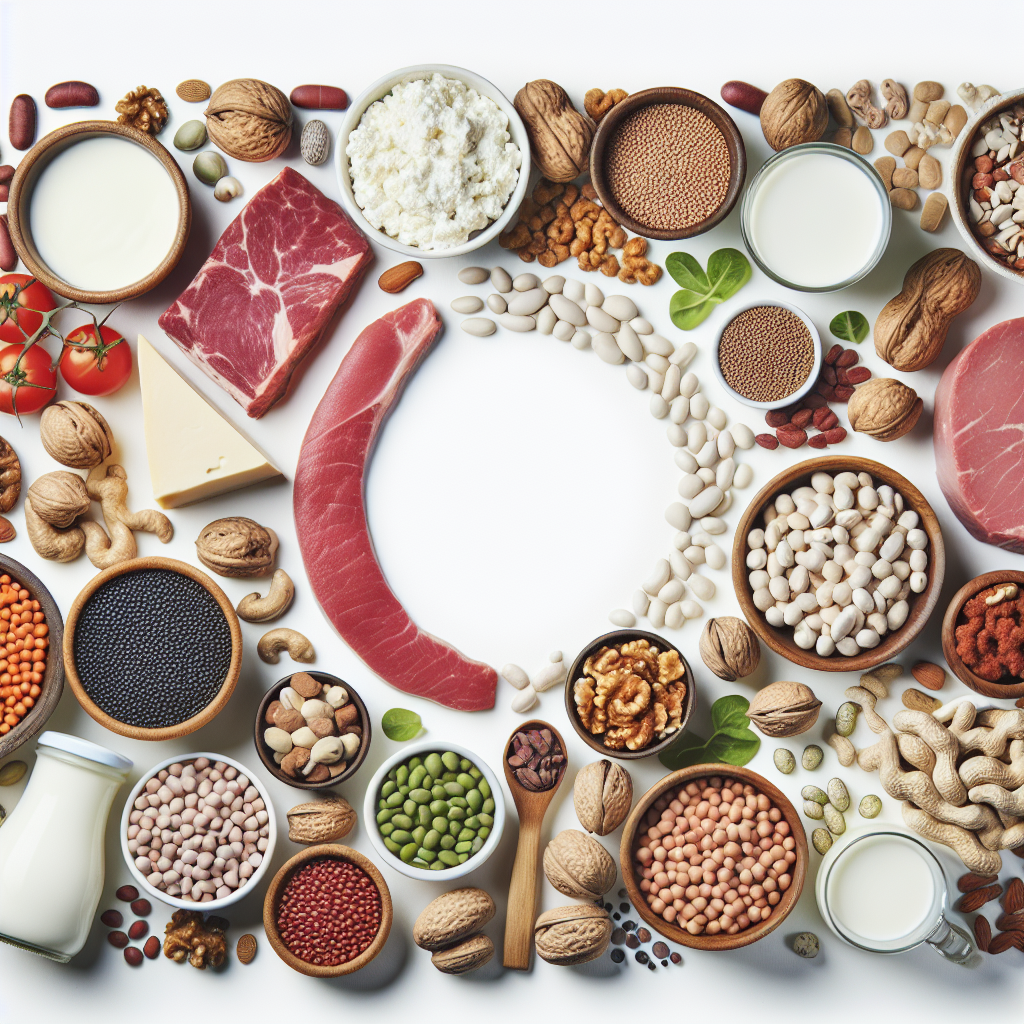
- Lean Protein Sources: Include lean meats, fish, poultry, beans, and nuts. Limit red meat and opt for plant-based proteins when possible.
- Low-Fat Dairy: Choose low-fat or fat-free dairy products to reduce saturated fat intake.
- Limit Sodium: Aim to consume less than 2,300 mg of sodium per day, gradually reducing to 1,500 mg for optimal health.
- Reduce Added Sugars and Saturated Fats: Limit the intake of sugary snacks and beverages, and choose healthy fats from sources like olive oil and avocados.
Creating a Family-Friendly DASH Meal Plan
Designing a meal plan that satisfies everyone’s taste preferences while adhering to the DASH guidelines can be challenging but rewarding. Here’s a sample meal plan that offers variety, nutrition, and flavor for the entire family.
Breakfast Ideas
- Oatmeal with Fresh Berries: Cook whole oats and top with fresh blueberries, strawberries, and a sprinkle of cinnamon. Serve with a side of low-fat milk or almond milk.
- Veggie Omelet: Prepare an omelet using egg whites and a variety of vegetables such as spinach, tomatoes, and bell peppers. Serve with whole-grain toast.
- Smoothie Bowl: Blend a banana, a handful of spinach, and a cup of low-fat yogurt. Pour into a bowl and top with sliced almonds and a few raspberries.
Lunch Options
- Grilled Chicken Salad: Mix grilled chicken breast with mixed greens, cherry tomatoes, cucumbers, and a drizzle of balsamic vinaigrette.
- Hummus and Veggie Wrap: Spread hummus on a whole wheat wrap and fill with sliced cucumbers, carrots, and red bell peppers.
- Quinoa and Black Bean Bowl: Combine cooked quinoa with black beans, corn, diced avocado, and a squeeze of lime juice.
Dinner Choices
- Baked Salmon with Asparagus: Season salmon fillets with lemon, dill, and a pinch of salt. Bake and serve with steamed asparagus and wild rice.
- Stuffed Bell Peppers: Fill bell peppers with a mixture of brown rice, ground turkey, diced tomatoes, and spices. Bake until the peppers are tender.
- Vegetable Stir-Fry: Sauté a mix of broccoli, snow peas, and carrots in a small amount of olive oil. Serve over brown rice or quinoa.
Snack Suggestions
- Apple Slices with Almond Butter: A satisfying and nutritious snack for any time of the day.
- Carrot Sticks and Hummus: An easy-to-prepare snack that provides fiber and protein.
- Greek Yogurt with Honey and Nuts: Choose plain low-fat yogurt and add a drizzle of honey and a handful of nuts for crunch.
Tips for Success with the DASH Diet
Transitioning to a DASH diet can be smooth with the following tips:
- Meal Prep: Dedicate a day each week to plan and prepare meals. This reduces the temptation to stray from the diet when time is limited.
- Family Involvement: Involve family members in meal planning and preparation. This encourages everyone to take ownership of their health and fosters a supportive environment.
- Gradual Changes: If your family is new to the DASH diet, introduce changes gradually. Start by swapping out processed snacks for fruits and veggies, and gradually reduce the sodium content in meals.
- Stay Hydrated: Encourage water consumption throughout the day, and limit sugary drinks and sodas.
Addressing Challenges
Implementing a new diet may come with challenges, but they can be overcome with persistence and creativity:
- Picky Eaters: For family members who are selective eaters, try introducing new foods in small portions alongside their favorite dishes.
- Busy Schedules: Utilize kitchen gadgets like slow cookers or pressure cookers to save time on meal preparation.
- Budget Constraints: Buy seasonal produce and consider frozen options to reduce costs while maintaining nutritional value.
Conclusion
The DASH diet offers a comprehensive and sustainable approach to improving cardiovascular health and overall well-being. By adopting a family-friendly DASH meal plan, you can ensure that everyone enjoys nutritious meals that contribute to a healthier lifestyle. With careful planning, creativity, and a commitment to health, the DASH diet can become a rewarding and lasting part of your family’s daily routine.
Remember, the key to success with the DASH diet is consistency and making gradual changes that fit your family’s unique needs and preferences. With these strategies, you can create a supportive environment that fosters long-term health and wellness for all family members.









Add comment