Introduction
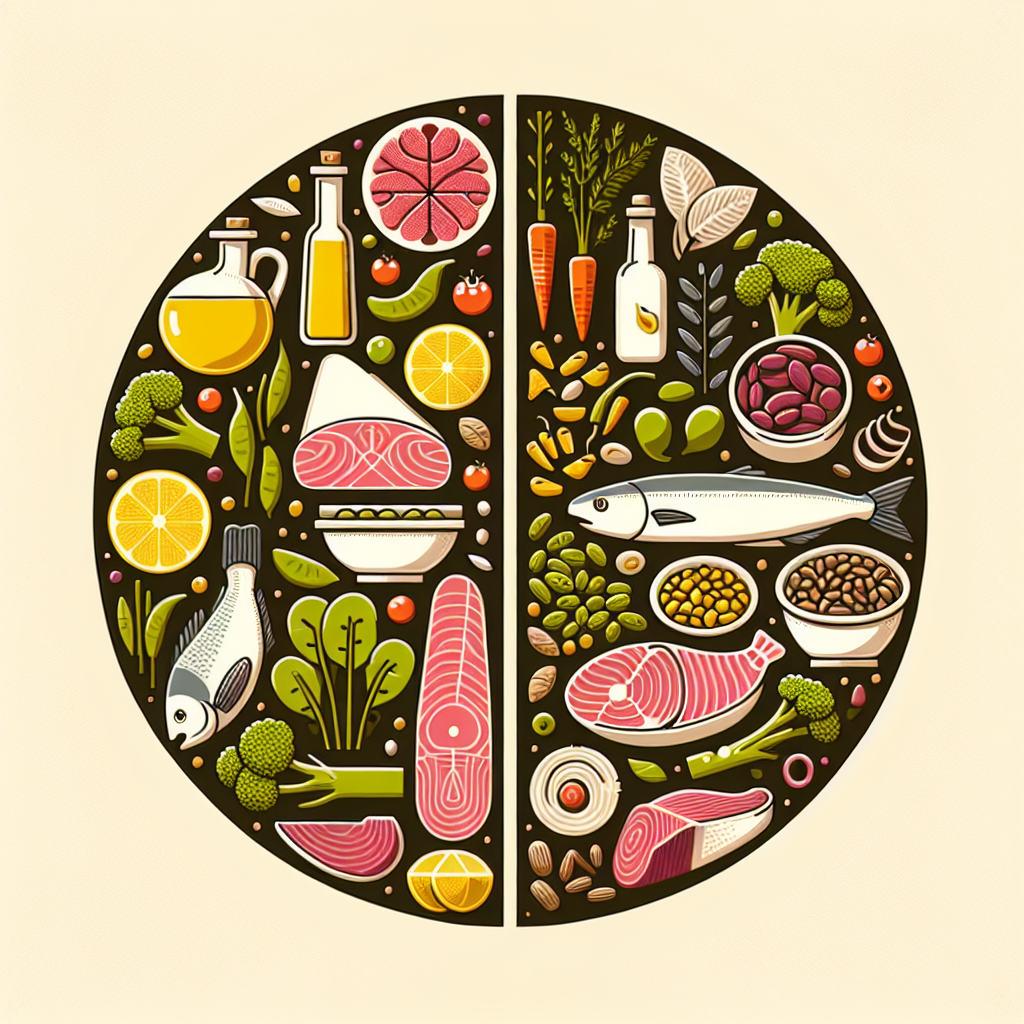
The Mediterranean Diet is often lauded as one of the healthiest diets in the world. It is rich in fruits, vegetables, whole grains, legumes, and healthy fats, particularly from olive oil, and it emphasizes lean sources of protein such as fish and poultry. This diet is associated with numerous health benefits, including a reduced risk of heart disease, improved cognitive function, and enhanced longevity. However, like any diet, it’s easy to make mistakes that can undermine its benefits. This article will explore common missteps people make when following the Mediterranean Diet and provide guidance on how to avoid them.
Mistake 1: Overconsumption of Olive Oil
Olive oil, particularly extra virgin olive oil, is a cornerstone of the Mediterranean Diet and is known for its heart-healthy monounsaturated fats and antioxidants. However, it is calorie-dense, and overconsumption can lead to an excess caloric intake, potentially leading to weight gain.
How to Avoid This Mistake
Use olive oil in moderation. While it is a healthy fat, it is still fat and contains about 120 calories per tablespoon. Instead of dousing your salads or foods with olive oil, use it sparingly to enhance flavor. Measuring out portions instead of pouring directly from the bottle can help control intake. Consider using a spray bottle to lightly coat pans or salads, reducing the amount used without sacrificing flavor.
Mistake 2: Ignoring Portion Control
The Mediterranean Diet promotes healthy eating, but it doesn’t mean that portion sizes can be ignored. Overeating healthy foods can still contribute to weight gain or prevent weight loss, which can counteract some of the health benefits associated with this diet.
How to Avoid This Mistake
Focus on eating mindfully and be aware of portion sizes. Fill your plate with a variety of food groups, ensuring a balance of vegetables, proteins, and whole grains. Use smaller plates to help control portions and avoid going back for seconds. Remember that even healthy foods should be consumed in appropriate amounts.
Mistake 3: Relying Too Much on Processed Foods
While the Mediterranean Diet emphasizes whole, minimally processed foods, it can be easy to slip into the convenience of processed options, such as pre-packaged snacks or processed meats.
How to Avoid This Mistake
Prioritize fresh, whole foods as much as possible. Plan meals around fresh produce, lean proteins, and whole grains. If you do choose packaged foods, read labels carefully and opt for options with minimal ingredients and no added sugars or unhealthy fats. Preparing meals at home allows for greater control over ingredients and processing.
Mistake 4: Neglecting Variety
A common misconception is that the Mediterranean Diet is restrictive, leading some individuals to eat the same foods repeatedly. This not only increases the risk of nutrient deficiencies but can also lead to diet fatigue.
How to Avoid This Mistake
Embrace the diverse range of foods available within the Mediterranean Diet. Rotate different fruits, vegetables, whole grains, and proteins to ensure a wide array of nutrients. Experiment with new recipes and incorporate different herbs and spices to keep meals exciting and flavorful. Seasonal produce can also add variety and is often more affordable.
Mistake 5: Skipping Meals
Some people may skip meals in an attempt to lose weight or due to a busy lifestyle. However, this can lead to overeating later and may disrupt the balance and benefits of the Mediterranean Diet.
How to Avoid This Mistake
Aim to eat regular, balanced meals throughout the day. Breakfast, lunch, and dinner should include a mix of macronutrients to provide sustained energy and fullness. Healthy snacks, such as nuts, fruit, or yogurt, can help bridge the gap between meals and prevent extreme hunger, which can lead to overeating.
Mistake 6: Underestimating the Importance of Fish
Fish, especially fatty varieties like salmon, sardines, and mackerel, are a key component of the Mediterranean Diet, providing essential omega-3 fatty acids that support heart and brain health. Some individuals may not consume fish frequently enough, missing out on these benefits.
How to Avoid This Mistake
Incorporate fish into your meals at least twice a week. If fresh fish is not available or affordable, consider canned or frozen options, which can be just as nutritious. Experiment with different cooking methods, such as grilling, baking, or poaching, to find your preferred way to enjoy fish.
Mistake 7: Focusing Solely on Food
The Mediterranean lifestyle is about more than just diet; it includes physical activity, social connections, and a balanced, relaxed approach to life. Focusing solely on food without considering these other aspects can limit the overall benefits of the Mediterranean way of living.
How to Avoid This Mistake
Incorporate regular physical activity into your routine, such as walking, cycling, or swimming. Engage in social meals with family and friends, emphasizing the social and communal aspects of eating. Practice mindfulness and stress-reduction techniques, such as yoga or meditation, to support overall well-being.
Conclusion
The Mediterranean Diet is a model of healthy eating that offers numerous benefits when followed correctly. However, like any dietary approach, it’s essential to be mindful of common pitfalls that can diminish its effectiveness. By avoiding these missteps—such as overconsumption of olive oil, ignoring portion control, and neglecting variety—you can fully embrace the Mediterranean lifestyle and enjoy its long-term health benefits. Remember, the Mediterranean Diet is not just about the foods you eat, but also about enjoying meals, staying active, and fostering community connections. By integrating these elements into your life, you can achieve a balanced, healthy lifestyle that promotes longevity and well-being.










Add comment