
Mediterranean Diet: Boosting Gut Health Naturally
The Mediterranean diet, renowned for its heart-healthy benefits, is not just a boon for cardiovascular wellness but also a powerful ally in enhancing gut health. This dietary pattern, inspired by the traditional eating habits of countries bordering the Mediterranean Sea, is rich in fruits, vegetables, whole grains, legumes, nuts, seeds, and olive oil. This article delves into how the Mediterranean diet can naturally boost gut health, promoting a balanced microbiome and overall well-being.
The Gut Microbiome: A Brief Overview
The gut microbiome is an intricate community of trillions of microorganisms, including bacteria, viruses, fungi, and other microbes, residing in the digestive tract. These microbes play a crucial role in various bodily functions, such as digestion, immune regulation, and even mental health. A balanced and diverse microbiome is essential for maintaining optimal health, and diet plays a pivotal role in shaping the composition and diversity of these gut microorganisms.
Key Components of the Mediterranean Diet
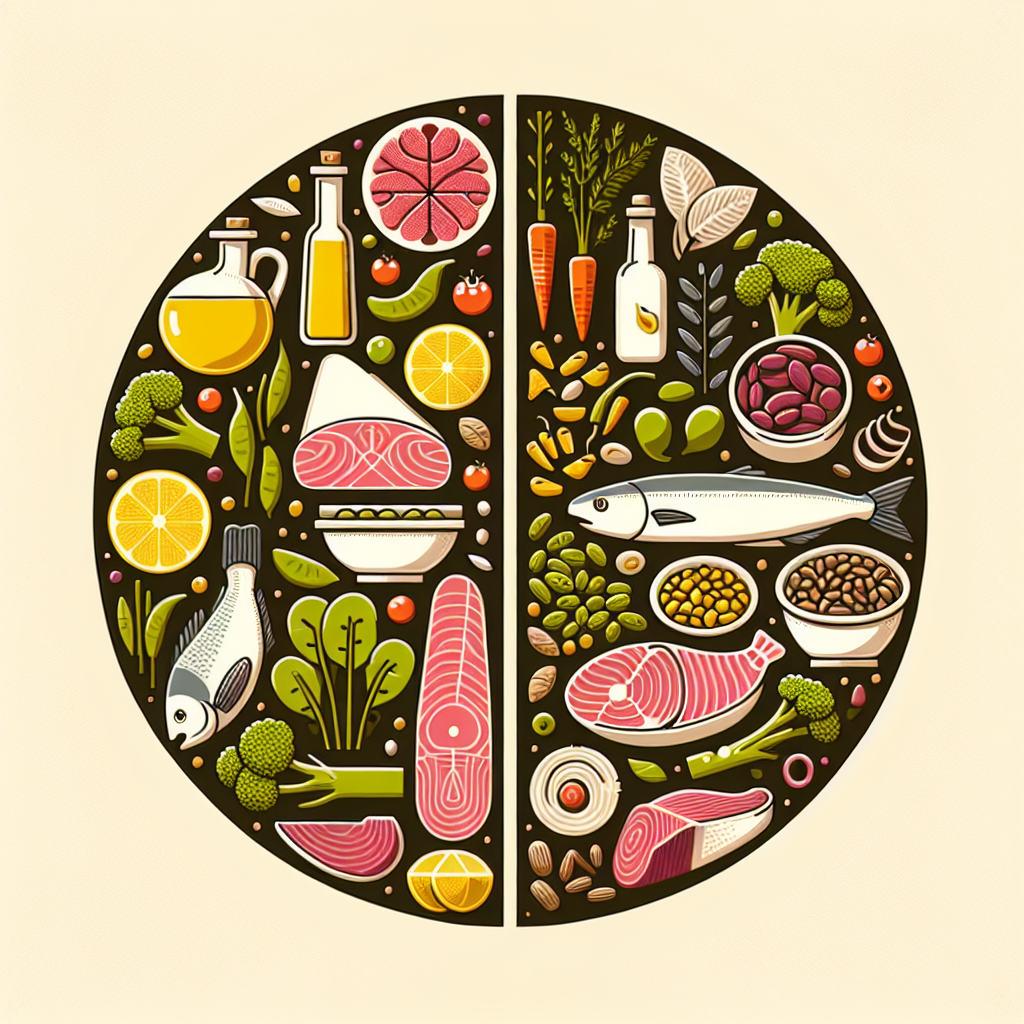
The Mediterranean diet is characterized by its emphasis on plant-based foods, healthy fats, and lean proteins. Let’s explore the key components of this diet and how they contribute to gut health:
Fruits and Vegetables
Fruits and vegetables are rich in dietary fiber, vitamins, minerals, and antioxidants. Fiber is particularly important for gut health as it serves as a prebiotic, providing nourishment for beneficial gut bacteria. The Mediterranean diet encourages a variety of colorful fruits and vegetables, such as tomatoes, leafy greens, peppers, berries, and citrus fruits, ensuring a diverse intake of nutrients and fiber.
Whole Grains
Whole grains, such as oats, barley, quinoa, and brown rice, are another significant source of dietary fiber in the Mediterranean diet. These grains contain both soluble and insoluble fiber, which aid in digestion and promote regular bowel movements. Moreover, whole grains are rich in resistant starch, a type of carbohydrate that resists digestion in the small intestine and reaches the colon intact, where it is fermented by gut bacteria, producing beneficial short-chain fatty acids.
Legumes
Legumes, including beans, lentils, and chickpeas, are staples in the Mediterranean diet. They are high in fiber and protein, making them a satisfying and nutritious choice. The fiber in legumes acts as a prebiotic, supporting the growth of beneficial gut bacteria. Additionally, legumes contain polyphenols, plant compounds with antioxidant properties that contribute to gut health by reducing inflammation and oxidative stress.
Nuts and Seeds
Nuts and seeds, such as almonds, walnuts, chia seeds, and flaxseeds, are excellent sources of healthy fats, fiber, and essential nutrients. These foods support gut health by providing fiber and omega-3 fatty acids, which have anti-inflammatory properties. The consumption of nuts and seeds is associated with increased microbial diversity, which is a marker of a healthy gut.
Olive Oil
Olive oil, particularly extra virgin olive oil, is a cornerstone of the Mediterranean diet. It is rich in monounsaturated fats and polyphenols, both of which have protective effects on the gut. The polyphenols in olive oil act as antioxidants and possess anti-inflammatory properties, promoting a healthy gut environment and potentially reducing the risk of inflammatory bowel diseases.
Fish and Lean Proteins
Fish, especially fatty fish like salmon, sardines, and mackerel, provide omega-3 fatty acids, which are known for their anti-inflammatory effects. Lean proteins, such as poultry and eggs, are also part of the Mediterranean diet. These proteins are easier to digest and do not contribute to gut inflammation as red and processed meats might.
Benefits of the Mediterranean Diet for Gut Health
The Mediterranean diet offers numerous benefits for gut health, stemming from its emphasis on whole, minimally processed foods and its rich array of nutrients. Here are some key benefits:
Enhanced Microbial Diversity
A diverse gut microbiome is associated with better overall health and resilience against diseases. The Mediterranean diet, rich in fiber and polyphenols, promotes microbial diversity by providing a wide range of nutrients and prebiotics that support the growth of various beneficial bacteria.
Reduction of Inflammation
Chronic inflammation is a common factor in many gut-related disorders, such as irritable bowel syndrome (IBS) and inflammatory bowel disease (IBD). The anti-inflammatory properties of the Mediterranean diet, attributed to its high content of omega-3 fatty acids, fiber, and polyphenols, help reduce inflammation in the gut, alleviating symptoms and improving gut function.
Improved Gut Barrier Function
The gut barrier is a critical component of gut health, preventing harmful substances from entering the bloodstream. A compromised gut barrier can lead to a condition known as “leaky gut,” associated with various health issues. The nutrients in the Mediterranean diet, particularly fiber and polyphenols, support the integrity of the gut barrier, enhancing its function and reducing the risk of leaky gut syndrome.
Support for Short-Chain Fatty Acid Production
Short-chain fatty acids (SCFAs), such as acetate, propionate, and butyrate, are produced by the fermentation of fiber by gut bacteria. SCFAs have numerous health benefits, including providing energy to colon cells, reducing inflammation, and strengthening the gut barrier. The high fiber content of the Mediterranean diet supports SCFA production, contributing to a healthy gut environment.
Potential Weight Management Benefits
Maintaining a healthy weight is crucial for gut health, as obesity is linked to an imbalance in gut bacteria. The Mediterranean diet’s emphasis on whole foods, fiber, and healthy fats supports weight management by promoting satiety, reducing calorie intake, and enhancing metabolic health.
Practical Tips for Adopting a Mediterranean Diet
Embracing the Mediterranean diet can be a rewarding journey towards improved gut health and overall well-being. Here are some practical tips to help you get started:
Incorporate More Plant-Based Foods
Focus on increasing your intake of fruits, vegetables, whole grains, legumes, nuts, and seeds. Aim to fill at least half of your plate with vegetables at each meal and experiment with incorporating a variety of colors and types to maximize nutrient intake.
Choose Healthy Fats
Replace unhealthy fats, such as trans fats and saturated fats, with healthy fats found in olive oil, avocados, nuts, and fatty fish. Use extra virgin olive oil as your primary cooking oil and drizzle it over salads and cooked vegetables for added flavor and health benefits.
Opt for Lean Proteins
Prioritize lean proteins, such as fish, poultry, and plant-based sources like legumes and tofu. Aim to include fish in your diet at least twice a week to benefit from its omega-3 fatty acids.
Limit Processed Foods and Sugars
Minimize the consumption of processed foods, sugary snacks, and beverages, as they can disrupt the balance of gut bacteria and contribute to inflammation. Instead, satisfy your sweet tooth with fresh fruits or small portions of dark chocolate.
Stay Hydrated
Proper hydration is essential for digestion and overall gut health. Aim to drink plenty of water throughout the day and consider herbal teas as an alternative to sugary drinks.
Practice Mindful Eating
Take time to savor your meals, chew your food thoroughly, and listen to your body’s hunger and fullness cues. Mindful eating supports digestion and allows you to enjoy the flavors and textures of the Mediterranean diet fully.
Conclusion
The Mediterranean diet offers a holistic approach to boosting gut health naturally. By emphasizing whole, nutrient-dense foods and minimizing processed ingredients, this dietary pattern supports a diverse and balanced gut microbiome, reduces inflammation, and enhances overall digestive function. Adopting the Mediterranean diet not only promotes gut health but also contributes to a healthier, more vibrant lifestyle. Whether you’re looking to improve your gut health or simply seeking a delicious and sustainable way of eating, the Mediterranean diet provides a time-tested and scientifically-backed solution.











Add comment