
Introduction to the DASH Diet
The Dietary Approaches to Stop Hypertension (DASH) diet was developed to help individuals lower their blood pressure and improve heart health. Recognized for its emphasis on fruits, vegetables, whole grains, and low-fat dairy products, the DASH diet also recommends reducing sodium intake. While the DASH diet’s principles are straightforward, many people often make common mistakes that can hinder their progress and results. This article aims to highlight these pitfalls and provide guidance on how to avoid them to maximize the benefits of the DASH diet.
Overlooking Sodium Intake
One of the primary goals of the DASH diet is to reduce sodium intake to manage blood pressure effectively. However, many individuals either underestimate the sodium content in their food or are unaware of the hidden sources of sodium. Processed foods, canned goods, and even certain condiments can contain high levels of sodium. It’s essential to read labels carefully and choose products labeled “low sodium” or “no salt added.” Additionally, cooking meals from scratch using fresh ingredients allows for better control over sodium levels.
Ignoring Portion Sizes
While the DASH diet promotes healthy foods, it is crucial to be mindful of portion sizes. Overeating can lead to weight gain, which is counterproductive to the diet’s objectives. Familiarizing oneself with recommended serving sizes and using measuring cups or a food scale can help maintain appropriate portion control. Remember that even healthy foods can contribute to excessive calorie intake if consumed in large quantities.
Neglecting Nutrient Variety
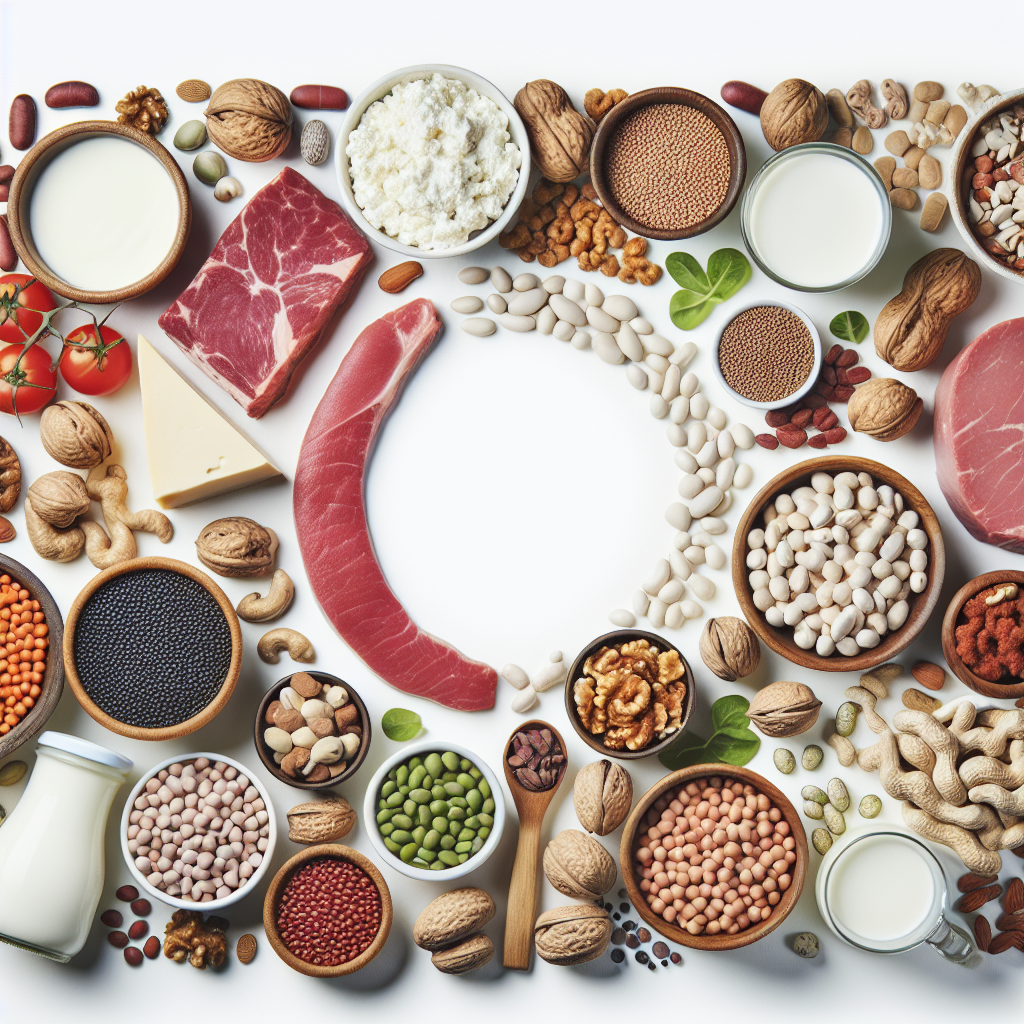
The DASH diet encourages a variety of foods to ensure a balanced intake of nutrients. However, some individuals may fall into the habit of eating the same meals repeatedly, leading to nutrient deficiencies. To avoid this, it’s important to incorporate a wide range of fruits, vegetables, whole grains, and protein sources. Experimenting with different foods not only enhances nutrient diversity but also prevents dietary monotony.
Forgetting Healthy Fats
In striving to reduce fat intake, some people may eliminate fats entirely from their diet, which can be detrimental. Healthy fats, such as those found in avocados, nuts, seeds, and olive oil, are essential for heart health and should be included in moderation. These fats can aid in nutrient absorption and provide satiety, making it easier to adhere to the DASH diet without feeling deprived.
Not Drinking Enough Water
Hydration is a key component of any diet, including the DASH diet. Some individuals may overlook the importance of drinking enough water, especially when increasing their intake of fiber-rich foods. Adequate hydration helps in digestion, prevents constipation, and supports overall bodily functions. Aim to drink at least eight 8-ounce glasses of water per day, and adjust based on activity level and climate.
Relying on Supplements Instead of Whole Foods
While supplements can be beneficial in certain situations, they should not replace whole foods. The DASH diet emphasizes consuming nutrients from natural sources to maximize their health benefits. Whole foods contain a complex mix of vitamins, minerals, and phytochemicals that work synergistically, which supplements alone cannot replicate. Focus on getting nutrients from a balanced diet first, and use supplements only when necessary and under professional guidance.
Skipping Meals
Some people mistakenly believe that skipping meals will accelerate weight loss. However, this can lead to overeating later and disrupt the body’s metabolism. The DASH diet recommends consuming regular meals and snacks to maintain energy levels and prevent hunger-driven food choices. Planning meals and snacks ahead of time can help stay on track and avoid the temptation to skip meals.
Overemphasizing Low-fat Products
While the DASH diet encourages low-fat dairy products, it’s important to be cautious about low-fat labeled foods. Many low-fat products compensate for the reduced fat content by adding sugar or other additives, which can be counterproductive. Always check the ingredient list and nutritional information to ensure that low-fat options are truly beneficial and not loaded with unhealthy substitutes.
Failing to Adjust Sodium Levels Gradually
For individuals accustomed to high-sodium diets, making a sudden drastic reduction in sodium can be challenging and unsustainable. It’s advisable to gradually decrease sodium intake to allow the taste buds to adjust. Start by reducing the amount of salt added during cooking and opt for herbs and spices to enhance flavor. Over time, the preference for salty foods will diminish, making it easier to adhere to the DASH guidelines.
Not Monitoring Progress
Regularly monitoring progress is essential to stay motivated and make necessary adjustments to the diet. Keeping a food journal can help track what is eaten and identify areas for improvement. Additionally, regularly checking blood pressure and weight can provide tangible evidence of the diet’s effectiveness. Celebrating small successes along the way can also boost motivation and commitment to the DASH diet.
Conclusion
The DASH diet is a powerful tool for improving heart health and managing blood pressure, but it’s important to be aware of common mistakes that can impede progress. By understanding and avoiding these pitfalls, individuals can enhance their adherence to the DASH diet and achieve their health goals. Emphasizing a balanced intake of nutrients, monitoring sodium levels, and maintaining portion control are crucial steps toward success. With dedication and mindful eating, the DASH diet can lead to significant health improvements and a better quality of life.








Add comment