
Introduction
The Dietary Approaches to Stop Hypertension (DASH) diet has long been recommended for its benefits in lowering blood pressure. However, its advantages extend beyond just cardiovascular health. Emerging evidence suggests that the DASH diet can also play a crucial role in maintaining and enhancing kidney health. This article explores how the DASH diet can naturally boost kidney function and overall renal health, providing a comprehensive guide to adopting this dietary plan.
Understanding Kidney Health
Kidneys are vital organs responsible for filtering waste products and excess fluids from the blood, maintaining a balance of electrolytes, and regulating blood pressure. Chronic kidney disease (CKD) is a growing health concern worldwide, often linked to diabetes and hypertension. Maintaining kidney health is crucial for overall well-being, and diet plays a significant role in this regard.
The DASH Diet: An Overview
The DASH diet emphasizes consuming a variety of nutrient-rich foods while reducing sodium intake. It is rich in fruits, vegetables, whole grains, lean proteins, and low-fat dairy. The diet focuses on foods high in potassium, calcium, magnesium, and fiber, which collectively help lower blood pressure and improve heart health.
Benefits of the DASH Diet for Kidney Health
Reduces Blood Pressure
High blood pressure is a significant risk factor for kidney disease. The DASH diet’s low sodium content, coupled with its emphasis on potassium-rich foods, helps in managing and reducing blood pressure levels. This reduction in blood pressure decreases the strain on the kidneys, thereby preserving their function and slowing the progression of kidney disease.
Decreases Proteinuria
Proteinuria, or excess protein in the urine, is a marker of kidney damage. Studies have shown that the DASH diet can reduce proteinuria, suggesting an improvement in kidney function. The diet’s emphasis on lean proteins and its overall balanced approach contribute to this positive effect.
Improves Lipid Profile
The DASH diet helps in improving lipid profiles by reducing levels of LDL cholesterol and triglycerides. A healthier lipid profile is beneficial not only for cardiovascular health but also for kidney health, as high lipid levels can contribute to kidney disease progression.
Enhances Insulin Sensitivity
Insulin resistance is a common issue in individuals with chronic kidney disease. The DASH diet, with its high fiber content and low glycemic index, improves insulin sensitivity, aiding in better glucose metabolism. This is crucial as diabetes is a leading cause of kidney damage.
Implementing the DASH Diet for Kidney Health
Focus on Fruits and Vegetables
Incorporate a variety of fruits and vegetables into your meals. These foods are rich in vitamins, minerals, and antioxidants that support kidney health. Aim for at least 4-5 servings of each per day.
Choose Whole Grains
Replace refined grains with whole grains like brown rice, quinoa, and whole wheat bread. Whole grains are higher in fiber and nutrients, supporting overall health and aiding in blood sugar control.
Select Lean Proteins
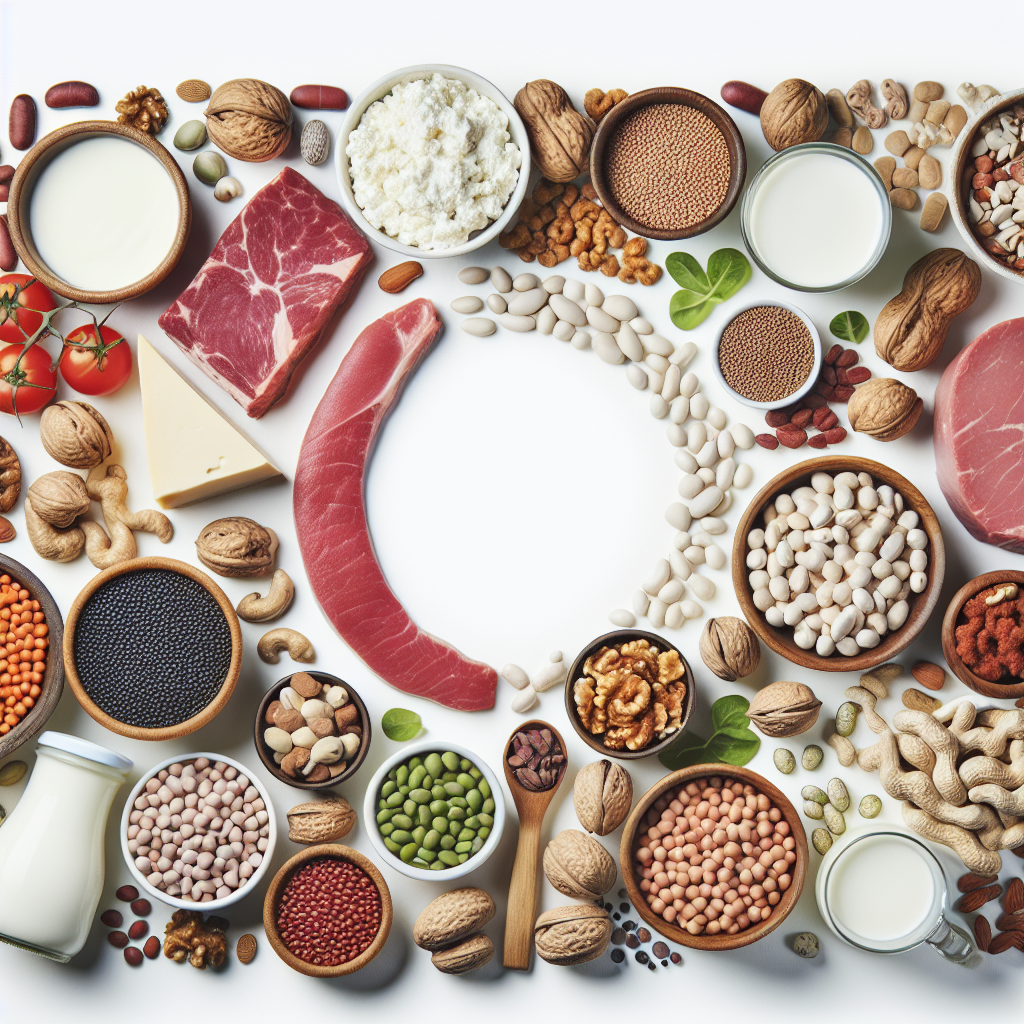
Opt for lean protein sources such as fish, poultry, beans, and legumes. These options are lower in saturated fats and beneficial for both heart and kidney health.
Limit Sodium Intake
Be mindful of sodium intake by avoiding processed and packaged foods. Season meals with herbs and spices instead of salt, and aim to keep sodium consumption below 2,300 mg per day, or even lower if recommended by a healthcare provider.
Incorporate Healthy Fats
Include sources of healthy fats such as avocados, nuts, seeds, and olive oil. These fats are beneficial for heart and kidney health and should replace saturated and trans fats in the diet.
Stay Hydrated
Adequate hydration is essential for kidney function. Ensure you drink enough water throughout the day, unless advised otherwise by a healthcare professional due to specific kidney conditions.
Potential Challenges and Solutions
Adapting to a Low Sodium Diet
Transitioning to a low sodium diet can be challenging for those used to high-salt foods. Start by gradually reducing salt in recipes and increasing the use of herbs and spices for flavor.
Ensuring Adequate Nutrient Intake
While the DASH diet is nutrient-rich, those with kidney disease may need to monitor certain nutrients like potassium and phosphorus. Work with a dietitian to customize the diet according to individual health needs.
Maintaining Consistency
Consistency is key in experiencing the benefits of the DASH diet. Planning meals ahead of time and keeping healthy snacks on hand can help maintain adherence to the dietary plan.
Conclusion
The DASH diet offers a natural, effective approach to enhancing kidney health. By focusing on whole, nutrient-dense foods and reducing sodium intake, the diet supports not only blood pressure and heart health but also preserves kidney function. For individuals looking to improve or maintain their kidney health, adopting the DASH diet can be a beneficial step. As always, it is important to consult with a healthcare provider or a registered dietitian before making significant dietary changes, especially for those with existing health conditions.









Add comment