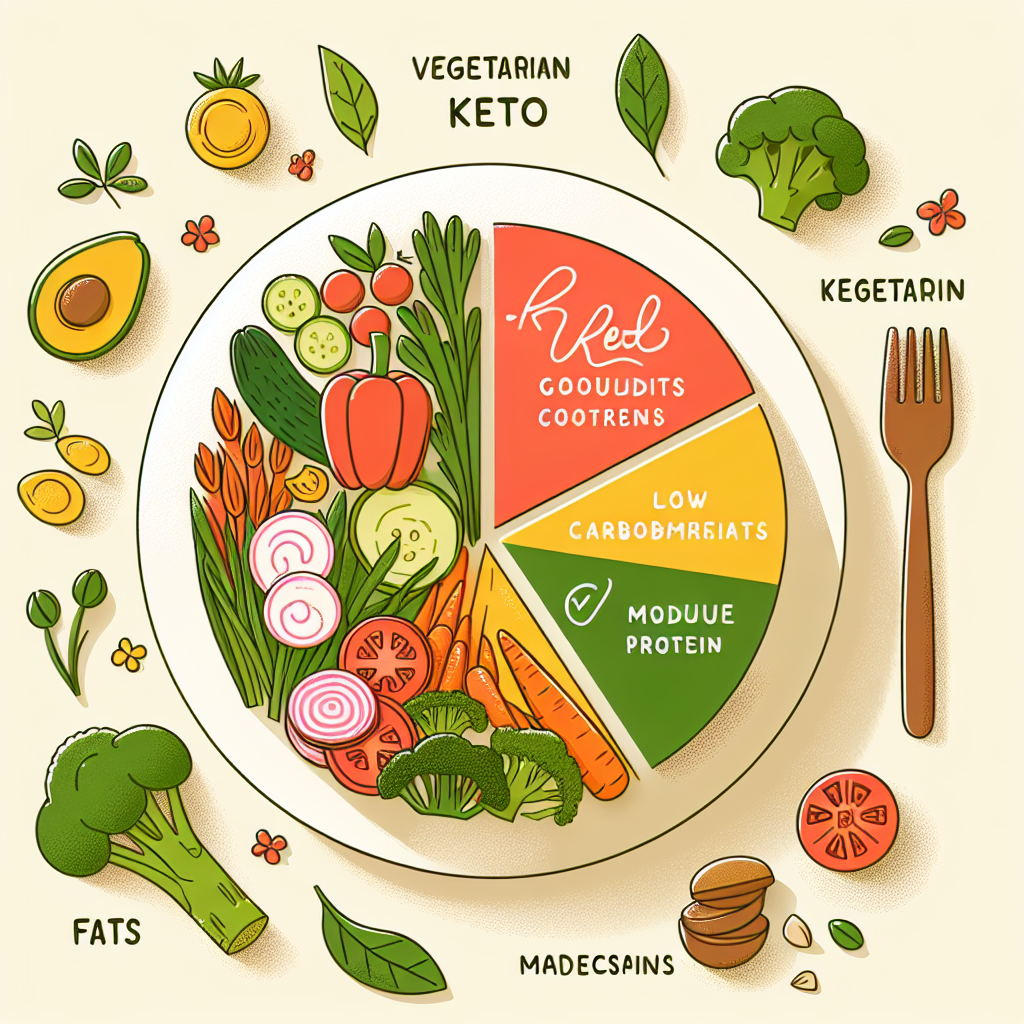
Introduction to Vegetarian Keto
The ketogenic diet has gained immense popularity for its potential to aid in weight loss, improve mental clarity, and increase energy levels. Typically characterized by high-fat, moderate-protein, and very low-carbohydrate intake, the traditional keto diet often includes a substantial amount of animal products. However, for those following a vegetarian lifestyle, adapting the ketogenic diet can present unique challenges and opportunities. This comprehensive guide explores how to effectively combine the principles of vegetarianism with the ketogenic diet, providing practical tips, meal ideas, and nutritional insights.
Understanding the Basics of Ketosis
Ketosis is a metabolic state in which the body shifts from using glucose as its primary energy source to burning stored fats. This process occurs when carbohydrate intake is significantly reduced, prompting the liver to produce ketones from fat. These ketones then serve as an alternative fuel source for the brain and body. Achieving and maintaining ketosis is the fundamental goal of the ketogenic diet, and understanding this process is crucial for those attempting to master vegetarian keto.
Balancing Macronutrients in Vegetarian Keto
Fat
In the vegetarian keto diet, fats become the primary source of energy. Healthy plant-based fat sources include avocados, nuts, seeds, olives, and oils such as coconut and olive oil. These fats not only support ketosis but also provide essential fatty acids and fat-soluble vitamins.
Protein
Protein is essential for muscle maintenance and enzyme function. In a vegetarian keto diet, protein should be consumed in moderation to avoid interfering with ketosis. Plant-based protein sources include tofu, tempeh, edamame, and certain nuts and seeds. Dairy products like cheese and Greek yogurt can also contribute to protein intake, but they should be consumed in moderation due to their carbohydrate content.
Carbohydrates
Minimizing carbohydrate intake is crucial to achieving ketosis. In a vegetarian keto diet, focus on low-carb vegetables such as leafy greens, zucchini, cauliflower, and broccoli. These vegetables are rich in fiber, vitamins, and minerals while keeping carbohydrate intake low. Avoid starchy vegetables like potatoes and corn, as well as sugary fruits.
Benefits of a Vegetarian Keto Diet
Weight Loss and Body Composition
One of the primary reasons individuals turn to the ketogenic diet is for weight loss. The vegetarian keto diet can be particularly effective due to its emphasis on whole, nutrient-dense foods that promote satiety. Additionally, the high-fat content helps reduce hunger and cravings, making it easier to maintain a calorie deficit.
Improved Metabolic Health
The vegetarian keto diet may improve insulin sensitivity and reduce the risk of metabolic syndrome. By lowering carbohydrate intake, blood sugar levels stabilize, potentially reducing the risk of type 2 diabetes.
Enhanced Mental Clarity and Focus
Many individuals report improved cognitive function and mental clarity while in ketosis. The brain, which typically relies on glucose, can efficiently use ketones for energy, often resulting in enhanced concentration and focus.
Challenges and Considerations
Nutrient Deficiencies
A vegetarian keto diet can be nutritionally adequate, but it requires careful planning. Potential nutrient deficiencies include vitamin B12, iron, zinc, and omega-3 fatty acids. Incorporating fortified foods, supplements, and a variety of plant-based foods can help mitigate these risks.
Social and Lifestyle Factors
Adhering to a vegetarian keto diet may pose social challenges, especially when dining out or attending gatherings. Planning ahead, researching restaurant menus, and communicating dietary preferences can help navigate these situations.
Practical Tips for Success
Meal Planning and Preparation
Planning meals ahead of time is essential for success on a vegetarian keto diet. Batch cooking and preparing snacks in advance can save time and ensure that nutrient-dense options are readily available.
Reading Labels
Understanding food labels is crucial for identifying hidden carbohydrates and sugars. Pay attention to serving sizes and ingredients to make informed choices.
Experimenting with Recipes
Embrace creativity in the kitchen by experimenting with new recipes and cooking techniques. Incorporating a variety of flavors and textures can make meals more enjoyable and sustainable.
Sample Meal Plan
Breakfast
– Avocado and spinach omelette cooked in coconut oil.
– A side of Greek yogurt with chia seeds and a few raspberries.
Lunch
– Mixed greens salad with tofu, olives, cherry tomatoes, and a dressing made from olive oil and lemon juice.
Dinner
– Zucchini noodles topped with a creamy avocado pesto and sautéed mushrooms.
Snacks
– Handful of almonds or walnuts.
– Celery sticks with almond butter.
Conclusion
Mastering the vegetarian keto diet involves understanding the principles of ketosis, carefully balancing macronutrients, and addressing potential challenges. With thoughtful planning and a commitment to incorporating a variety of plant-based foods, individuals can successfully achieve the benefits of both vegetarianism and the ketogenic diet. By focusing on whole, nutrient-dense foods and staying informed about nutritional needs, the vegetarian keto lifestyle can be a sustainable and rewarding choice for many. Whether the goal is weight loss, improved metabolic health, or enhanced mental clarity, this comprehensive guide provides the foundation for embarking on a successful vegetarian keto journey.










Add comment