Introduction to the DASH Diet
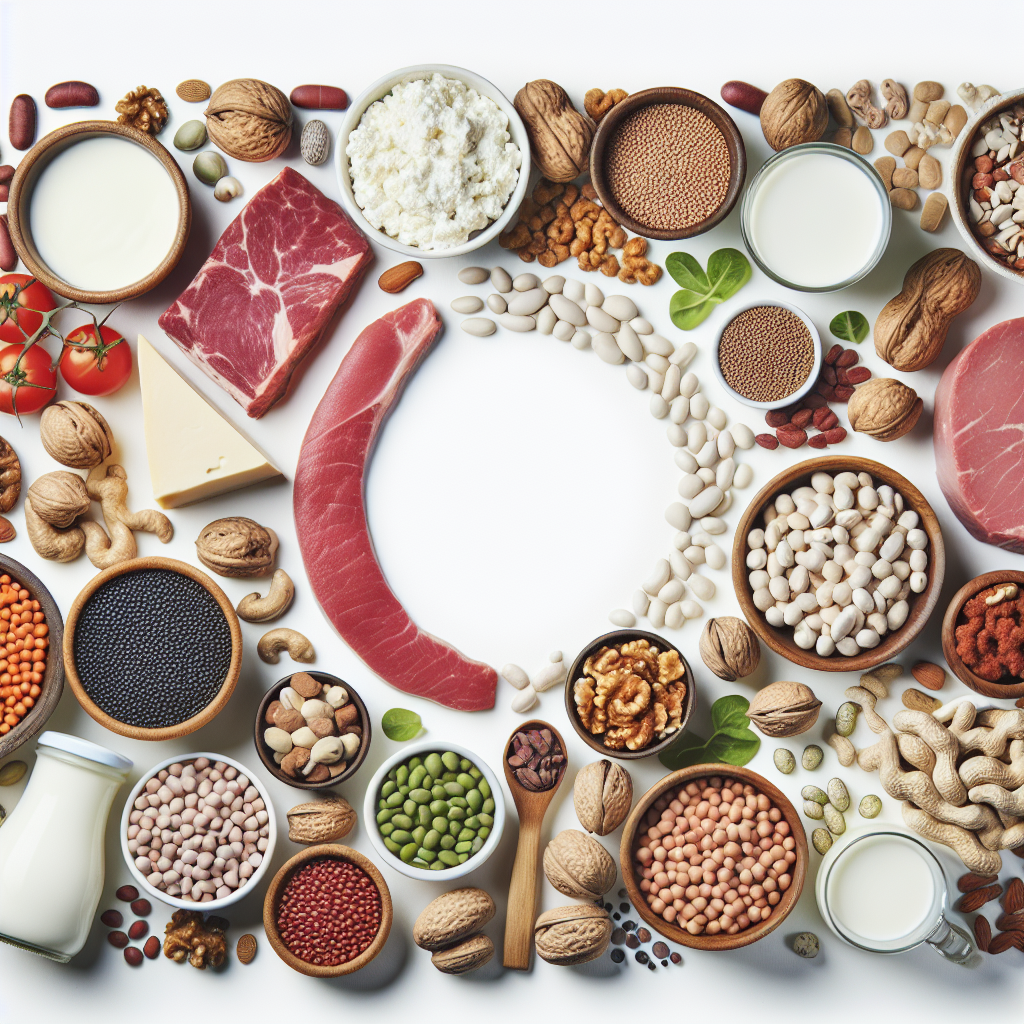
The DASH (Dietary Approaches to Stop Hypertension) diet is a well-renowned eating plan aimed at preventing and managing hypertension. Emphasizing the intake of fruits, vegetables, whole grains, and lean proteins, it promotes heart health and reduces blood pressure. Proteins play a crucial role in the DASH diet by supporting muscle health, promoting satiety, and aiding in weight management.
The Importance of Protein in the DASH Diet
Proteins are essential macronutrients composed of amino acids, which are the building blocks of our body’s tissues. In the DASH diet, proteins contribute to maintaining muscle mass, regulating metabolism, and supporting overall bodily functions. The diet encourages the consumption of lean protein sources to ensure adequate intake without excess saturated fats or cholesterol.
Top Protein Sources in the DASH Diet
1. Poultry
Poultry, particularly chicken and turkey, is a staple protein source in the DASH diet. These lean meats are low in saturated fats and high in essential nutrients. Skinless chicken breasts and turkey are excellent choices due to their lower fat content. They can be grilled, baked, or sautéed without adding excess fat, making them versatile and healthy options for meal planning.
2. Fish
Fish is highly encouraged in the DASH diet, especially fatty fish like salmon, mackerel, and sardines, which are rich in omega-3 fatty acids. These healthy fats play a pivotal role in reducing inflammation and supporting cardiovascular health. Fish provides a high-quality protein source and contributes to a balanced intake of essential nutrients.
3. Beans and Legumes
Beans and legumes, such as lentils, chickpeas, black beans, and kidney beans, are excellent plant-based protein sources. They are high in fiber, which aids in digestion and helps maintain stable blood sugar levels. Incorporating beans into your meals can enhance satiety and provide essential vitamins and minerals like iron and folate.
4. Low-Fat Dairy
Dairy products are a valuable source of protein and calcium in the DASH diet. Opt for low-fat or fat-free options like yogurt, milk, and cheese to minimize saturated fat intake. Greek yogurt is particularly beneficial due to its higher protein content compared to regular yogurt. Dairy products support bone health and provide an array of essential nutrients, including vitamin D and potassium.
5. Nuts and Seeds
Nuts and seeds, including almonds, walnuts, chia seeds, and flaxseeds, are nutrient-dense protein sources. They offer healthy fats, fiber, and various vitamins and minerals. Consuming a small handful of nuts or incorporating seeds into meals can improve heart health and contribute to a balanced diet. However, due to their calorie density, moderation is key.
6. Eggs
Eggs are a versatile and affordable protein source that fits well into the DASH diet. They are rich in essential amino acids and provide nutrients like vitamin B12 and choline, which support brain health. While eggs contain cholesterol, consuming them in moderation as part of a balanced diet does not significantly impact blood cholesterol levels for most people.
7. Tofu and Tempeh
For those following a plant-based or vegetarian version of the DASH diet, tofu and tempeh serve as excellent protein alternatives. Made from soybeans, these products are rich in protein and contain all essential amino acids. Tofu and tempeh can be used in a variety of dishes, from stir-fries to salads, offering versatility and nutritional benefits.
Balancing Protein Intake in the DASH Diet
While incorporating these protein sources, it’s important to balance protein intake with other essential nutrients emphasized in the DASH diet, such as fruits, vegetables, and whole grains. Aim to include a variety of protein sources throughout the week to ensure a diverse intake of amino acids and other beneficial nutrients.
Sample Meal Plan Incorporating DASH Diet Protein Sources
Breakfast
Start your day with a bowl of Greek yogurt topped with a sprinkle of chia seeds, sliced almonds, and fresh berries. This meal provides a balance of protein, healthy fats, and fiber to keep you energized and satisfied.
Lunch
Enjoy a mixed bean salad with chickpeas, black beans, diced vegetables, and a vinaigrette dressing. Serve it alongside a grilled chicken breast or a portion of tofu for added protein and nutrients.
Dinner
Prepare a baked salmon fillet seasoned with herbs and lemon. Pair it with steamed broccoli and quinoa for a nutritious, protein-rich dinner that supports heart health.
Snacks
For snacks, consider a handful of walnuts or a boiled egg to curb hunger between meals. These options provide protein and essential nutrients to support your dietary goals.
Conclusion
Incorporating a variety of protein sources in the DASH diet is essential for achieving a well-rounded and nutritious eating plan. By focusing on lean meats, fish, plant-based proteins, and low-fat dairy, you can enhance the diet’s benefits for heart health and overall well-being. Remember to balance protein intake with other vital nutrients and enjoy the diverse flavors and textures these protein sources bring to your meals.










Add comment