
Introduction to the Mediterranean Diet
The Mediterranean diet is more than just a way of eating; it’s a lifestyle that emphasizes the pleasures of good food, enjoyed in good company, and complemented by an active, balanced life. This diet is inspired by the traditional dietary patterns of countries bordering the Mediterranean Sea, such as Greece, Italy, and Spain. Recognized for its health benefits, this diet is widely recommended by nutritionists and healthcare professionals around the world.
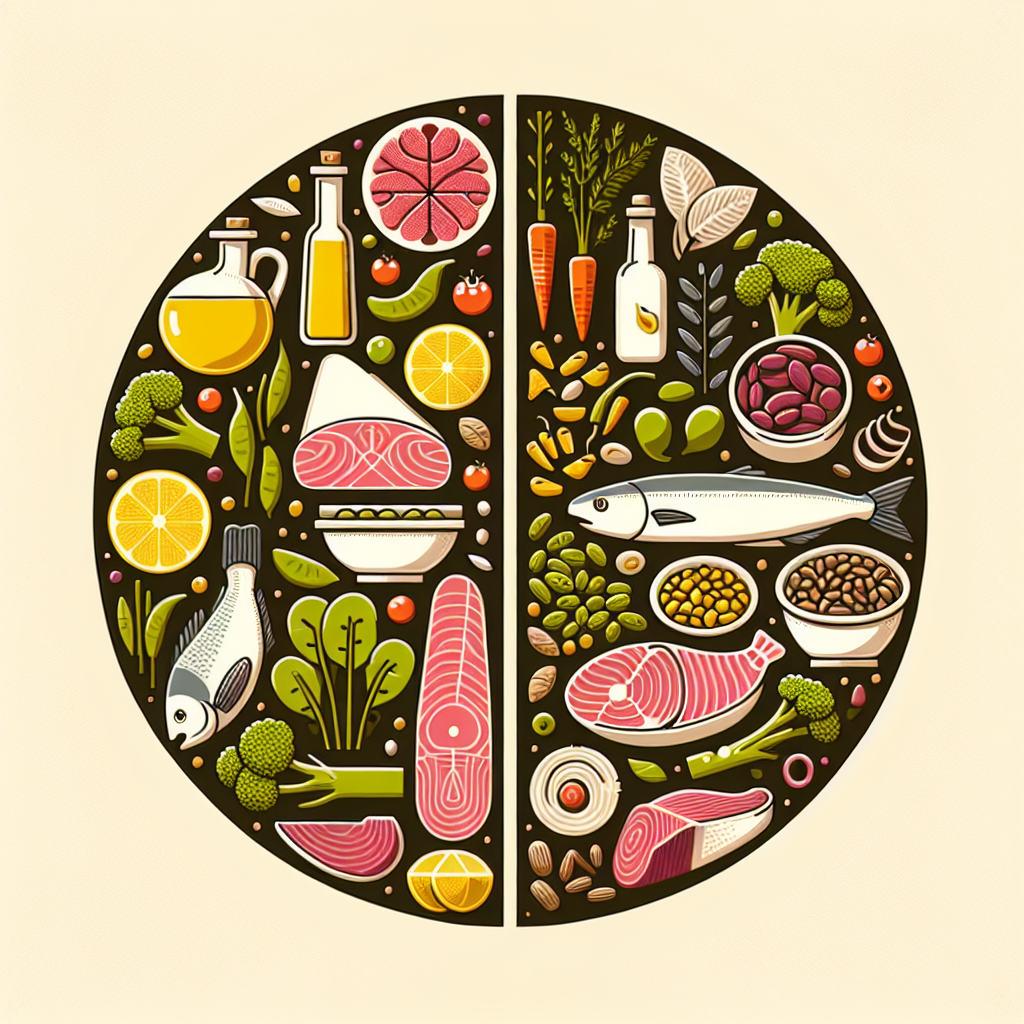
The Mediterranean diet is characterized by a high consumption of fruits, vegetables, whole grains, legumes, nuts, and olive oil. Fish and poultry are preferred over red meat, and a moderate intake of wine is included. This diet not only promotes heart health but also aids in weight management and reduces the risk of chronic diseases.
The Core Principles of the Mediterranean Diet
At its heart, the Mediterranean diet revolves around several key principles that guide the selection and preparation of meals:
Emphasis on Plant-Based Foods
A significant portion of the Mediterranean diet consists of fruits, vegetables, whole grains, legumes, and nuts. These foods are rich in essential vitamins, minerals, and antioxidants that support overall health.
Healthy Fats
Olive oil is the primary source of fat in the Mediterranean diet. Rich in monounsaturated fats and antioxidants, it helps reduce inflammation and supports cardiovascular health. Other healthy fats come from nuts, seeds, and fish.
Moderate Fish and Poultry
Instead of red meat, which is consumed sparingly, the Mediterranean diet includes moderate amounts of fish and poultry. These provide high-quality proteins and essential fatty acids, particularly omega-3s, which are beneficial for heart health.
Limited Red Meat and Sweets
Red meat and sweets are not completely excluded but are enjoyed in moderation. The focus is on quality rather than quantity, with these foods consumed less frequently.
Wine in Moderation
A distinguishing feature of the Mediterranean diet is the inclusion of wine, particularly red wine, consumed in moderation. It is often enjoyed with meals and is believed to contribute to the diet’s health benefits.
Social and Active Lifestyle
The Mediterranean diet is not just about food choices but also about adopting an active lifestyle and enjoying meals with family and friends. This social aspect is integral to the overall approach to health.
A Week-Long Mediterranean Diet Meal Plan
To help you embrace the Mediterranean lifestyle, here is a sample meal plan for a week, offering a taste of the diverse and flavorful dishes characteristic of this diet.
Day 1
Breakfast: Greek yogurt with honey, walnuts, and fresh berries.
Lunch: Quinoa salad with cherry tomatoes, cucumbers, feta cheese, and a drizzle of olive oil.
Dinner: Grilled salmon with a side of roasted vegetables and a mixed greens salad.
Snack: A handful of almonds and a piece of fruit.
Day 2
Breakfast: Whole grain toast with avocado and poached eggs.
Lunch: Lentil soup with spinach and a slice of whole-grain bread.
Dinner: Chicken souvlaki with tzatziki sauce, served with a Greek salad.
Snack: Sliced cucumber and hummus.
Day 3
Breakfast: Oatmeal topped with sliced bananas and a sprinkle of cinnamon.
Lunch: Spinach and chickpea stew with brown rice.
Dinner: Baked cod with lemon and herbs, served with sautéed green beans.
Snack: A small handful of olives and cherry tomatoes.
Day 4
Breakfast: Smoothie with spinach, banana, almond milk, and a spoonful of almond butter.
Lunch: Whole grain wrap with hummus, roasted vegetables, and arugula.
Dinner: Spaghetti aglio e olio with a side of steamed broccoli.
Snack: A few squares of dark chocolate and a glass of red wine (optional).
Day 5
Breakfast: Scrambled eggs with tomatoes, spinach, and feta cheese.
Lunch: Mediterranean grain bowl with farro, roasted red peppers, olives, and tzatziki.
Dinner: Grilled shrimp with garlic and lemon, served with a quinoa and vegetable medley.
Snack: A small bowl of mixed nuts.
Day 6
Breakfast: Whole grain cereal with almond milk and fresh fruit.
Lunch: Caprese salad with fresh mozzarella, tomatoes, basil, and balsamic glaze.
Dinner: Stuffed bell peppers with ground turkey, rice, and herbs.
Snack: A small bowl of Greek yogurt with a drizzle of olive oil.
Day 7
Breakfast: Frittata with mushrooms, onions, and bell peppers.
Lunch: Ratatouille with crusty whole-grain bread.
Dinner: Lamb chops with rosemary and garlic, served with a side of grilled zucchini.
Snack: Fresh apple slices with a side of almond butter.
Health Benefits of the Mediterranean Diet
The Mediterranean diet is lauded for its numerous health benefits, many of which are supported by scientific research:
Cardiovascular Health
Studies have shown that the Mediterranean diet is associated with a reduced risk of heart disease. The high intake of healthy fats, particularly from olive oil and fish, helps to lower bad cholesterol levels and improve heart health.
Weight Management
The focus on whole, unprocessed foods and healthy fats can aid in weight management by promoting satiety and reducing the likelihood of overeating.
Reduced Risk of Chronic Diseases
The Mediterranean diet is linked to a lower risk of type 2 diabetes, certain cancers, and neurodegenerative diseases such as Alzheimer’s. The diet’s emphasis on plant-based foods and healthy fats plays a significant role in these protective effects.
Improved Mental Health
Emerging research suggests that the Mediterranean diet may have positive effects on mental health, including a reduced risk of depression and anxiety. The diet’s anti-inflammatory properties and rich nutrient profile may contribute to these benefits.
Embracing the Mediterranean Lifestyle
Adopting the Mediterranean diet is more than just changing what you eat; it involves embracing a holistic lifestyle that prioritizes well-being and balance. Here are some tips to help you incorporate the Mediterranean principles into your daily life:
Cook at Home
Preparing meals at home allows you to control the ingredients and flavors, ensuring that you adhere to the principles of the Mediterranean diet.
Eat Slowly and Mindfully
Take the time to savor your meals, enjoying each bite. Eating slowly can enhance your dining experience and help prevent overeating.
Stay Active
Incorporate physical activity into your daily routine, whether it’s through structured exercise or enjoyable activities like walking, cycling, or dancing.
Share Meals with Loved Ones
The social aspect of eating is an important part of the Mediterranean lifestyle. Enjoy meals with family and friends, creating a sense of community and connection.
Conclusion
The Mediterranean diet offers a delicious, sustainable way to improve your health and well-being. By focusing on whole, nutrient-rich foods and adopting a balanced lifestyle, you can experience the myriad benefits of this time-honored dietary pattern. Whether you’re looking to enhance your heart health, manage your weight, or simply enjoy a flavorful and nourishing way of eating, the Mediterranean diet provides a pathway to a healthier, more fulfilling life. Embrace the Mediterranean way and discover the joy of eating well and living fully.











Add comment