
Introduction to the DASH Diet
The Dietary Approaches to Stop Hypertension (DASH) diet is a heart-healthy eating plan designed to help prevent and manage high blood pressure, or hypertension. Originally developed by the National Heart, Lung, and Blood Institute (NHLBI), the DASH diet emphasizes the consumption of foods that are rich in potassium, calcium, and magnesium. These nutrients are known to help control blood pressure. The diet is low in sodium, saturated fat, cholesterol, and total fat, making it an ideal plan for those looking to improve their cardiovascular health.
The DASH diet is not just a diet, but a lifestyle change that promotes healthy eating habits. It focuses on the consumption of whole foods such as fruits, vegetables, whole grains, lean proteins, and low-fat dairy. By following the DASH diet, individuals can significantly lower their blood pressure and reduce the risk of heart disease and stroke.
Understanding Hypertension
Hypertension, or high blood pressure, is a common condition where the force of blood against the artery walls is consistently too high. It is a major risk factor for heart disease, stroke, kidney disease, and other health problems. Blood pressure is measured in millimeters of mercury (mmHg) and is represented by two numbers: systolic (the pressure when the heart beats) over diastolic (the pressure when the heart is at rest).
Normal blood pressure is typically around 120/80 mmHg. Hypertension is diagnosed when blood pressure consistently exceeds 130/80 mmHg. Many factors contribute to high blood pressure, including poor diet, lack of physical activity, obesity, stress, and genetics. The DASH diet addresses dietary factors, which are among the most modifiable risk factors for hypertension.
Core Principles of the DASH Diet
The DASH diet is built around several core principles aimed at promoting overall health and reducing blood pressure. These principles include:
Emphasizing Fruits and Vegetables
Fruits and vegetables are rich in essential nutrients like potassium, magnesium, and fiber, which help regulate blood pressure. The DASH diet recommends 4-5 servings of fruits and 4-5 servings of vegetables per day. Incorporating a variety of colorful produce ensures a wide range of nutrients and antioxidants, which are beneficial for heart health.
Choosing Whole Grains
Whole grains are an excellent source of fiber and other nutrients that can help lower blood pressure and improve overall heart health. The DASH diet emphasizes whole grains over refined grains, recommending 6-8 servings per day. Examples of whole grains include whole wheat bread, brown rice, quinoa, and oats.
Incorporating Lean Proteins
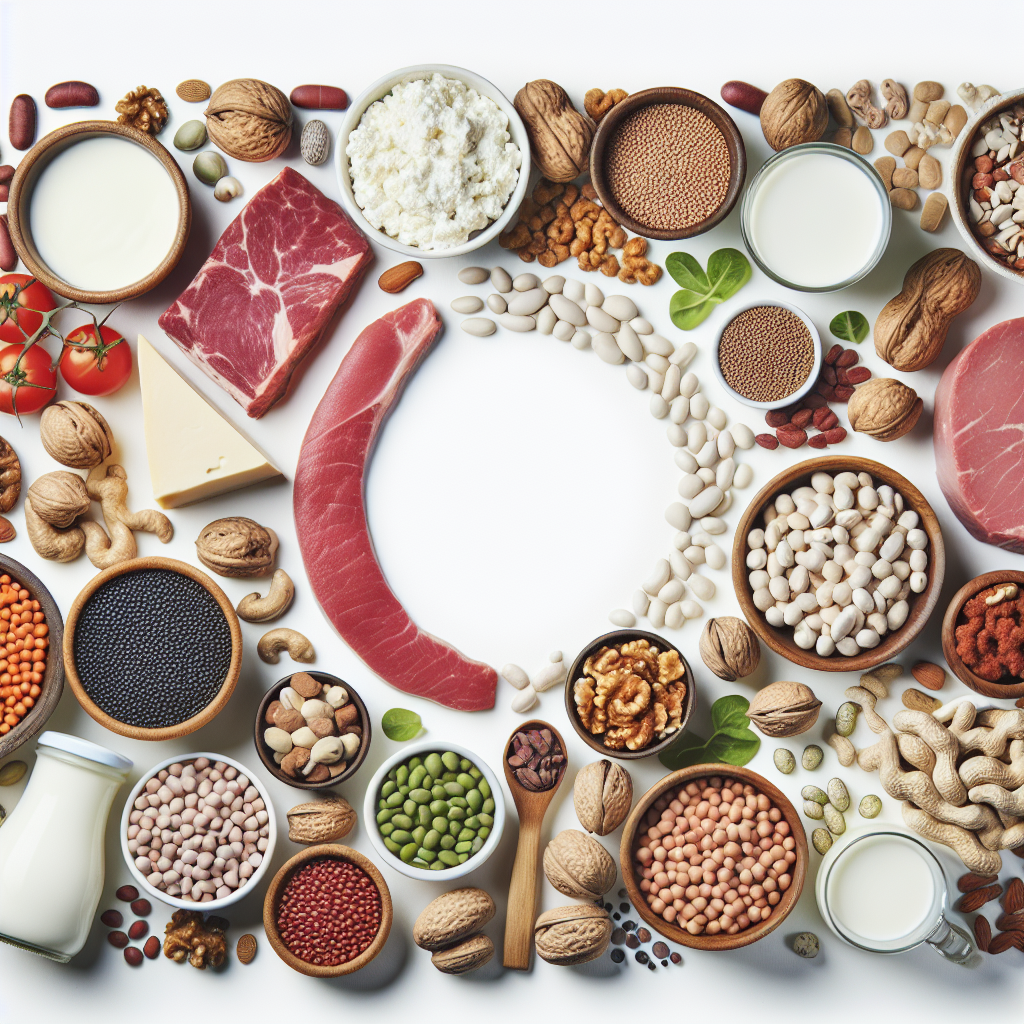
Lean proteins such as poultry, fish, beans, and nuts are integral to the DASH diet. These proteins are lower in saturated fat compared to red meats and provide essential nutrients like omega-3 fatty acids (found in fish) that support cardiovascular health. The diet suggests 2 or fewer servings of lean protein per day.
Reducing Sodium Intake
Sodium reduction is a cornerstone of the DASH diet. High sodium intake is linked to elevated blood pressure, so the diet recommends limiting sodium to no more than 2,300 milligrams per day. For greater effects on blood pressure, an intake of 1,500 mg per day is even better. This can be achieved by cooking at home, using herbs and spices instead of salt, and selecting low-sodium food products.
Including Low-Fat Dairy
Low-fat dairy products are an important source of calcium and vitamin D, both of which are important for heart health. The DASH diet recommends 2-3 servings of low-fat or fat-free dairy products per day. Options include skim milk, low-fat yogurt, and cheese.
Limiting Saturated Fat and Cholesterol
Foods high in saturated fat and cholesterol can contribute to heart disease and should be limited on the DASH diet. This means cutting back on fatty meats, full-fat dairy products, and tropical oils like coconut and palm oil. Instead, healthier fats from plant sources such as olive oil, avocados, and nuts are encouraged.
Practical Tips for Implementing the DASH Diet
Transitioning to the DASH diet can be a smooth process with gradual changes and mindful planning. Here are some practical tips to help you get started:
Plan Your Meals
Planning meals ahead of time ensures that you incorporate a variety of food groups and stick to the DASH guidelines. Preparing a weekly menu can help you shop efficiently and avoid impulse purchases of unhealthy foods.
Read Food Labels
Learn to read nutrition labels to check for sodium content and avoid processed foods high in sodium. Choose foods labeled as “low sodium,” “reduced sodium,” or “no salt added.”
Cook at Home
Cooking at home allows you to control the ingredients and portion sizes of your meals. Experiment with herbs and spices to flavor your dishes instead of relying on salt.
Snack Smart
Choose healthy snacks such as fruits, vegetables with hummus, or a handful of unsalted nuts. These options are not only nutritious but also help keep you full between meals.
Stay Hydrated
Drinking plenty of water throughout the day is essential for overall health and can help with weight management, which is important for controlling blood pressure.
Benefits of the DASH Diet Beyond Blood Pressure
While the primary goal of the DASH diet is to lower blood pressure, it offers numerous other health benefits. These include:
Weight Management
The DASH diet promotes balanced eating and portion control, which can aid in weight loss and maintenance. Achieving and maintaining a healthy weight is crucial for reducing the risk of hypertension and other chronic diseases.
Improved Heart Health
By reducing saturated fat and cholesterol intake, the DASH diet helps lower LDL (“bad”) cholesterol levels, improving overall heart health and reducing the risk of heart disease.
Reduced Risk of Type 2 Diabetes
The emphasis on whole grains and fiber-rich foods in the DASH diet helps regulate blood sugar levels, lowering the risk of developing type 2 diabetes.
Enhanced Nutritional Intake
The variety of foods encouraged by the DASH diet ensures a well-rounded intake of essential nutrients, vitamins, and minerals that support overall health and well-being.
Conclusion
The DASH diet is a sustainable and effective approach to lowering blood pressure and improving overall cardiovascular health. By focusing on whole foods, reducing sodium intake, and making mindful dietary choices, individuals can significantly impact their health outcomes. Whether you are looking to prevent hypertension or manage existing high blood pressure, the DASH diet offers a comprehensive framework for a heart-healthy lifestyle. By adopting the principles and tips outlined in this article, you can take proactive steps towards better health and a reduced risk of chronic disease.







Add comment