
“`html
Exploring Vegetarian Options in the DASH Diet
The Dietary Approaches to Stop Hypertension (DASH) diet is a well-researched nutritional plan designed to combat high blood pressure and promote overall cardiovascular health. While traditionally inclusive of lean meats and fish, the DASH diet can be effectively adapted to accommodate vegetarian preferences. By focusing on plant-based foods rich in nutrients and low in sodium, vegetarians can enjoy the manifold benefits of the DASH diet. This article explores how to integrate vegetarian options into the DASH plan, ensuring a diet that’s both heart-healthy and aligned with vegetarian principles.
Understanding the DASH Diet
The DASH diet was developed following research sponsored by the National Institutes of Health. The primary goal of the DASH diet is to reduce sodium intake to help manage blood pressure levels. It emphasizes the consumption of fruits, vegetables, whole grains, and lean proteins while minimizing processed foods and those high in saturated fats and sugar. The diet is rich in nutrients such as potassium, calcium, and magnesium, which are known to help control blood pressure.
Key Components of the DASH Diet
1. **Fruits and Vegetables:** These are the cornerstones of the DASH diet. They provide essential vitamins, minerals, and fiber. Aim for 4-5 servings of each per day.
2. **Whole Grains:** Whole grains like brown rice, quinoa, and whole wheat bread are preferred. They offer more nutrients and fiber compared to refined grains.
3. **Low-Fat Dairy:** Typically, the DASH diet includes low-fat or non-fat dairy products to provide calcium and vitamin D.
4. **Lean Proteins:** While lean meats and fish are recommended, vegetarians can focus on plant-based protein sources.
5. **Nuts, Seeds, and Legumes:** These are excellent sources of protein, fiber, and healthy fats.
6. **Limited Fats and Oils:** Use healthy fats like olive oil, and limit saturated fats.
7. **Reduced Sugar and Sodium:** Minimize intake of processed foods and added sugars.
Vegetarian Protein Sources in the DASH Diet
A vegetarian version of the DASH diet can be just as effective by incorporating plant-based protein sources. Here are some excellent options:
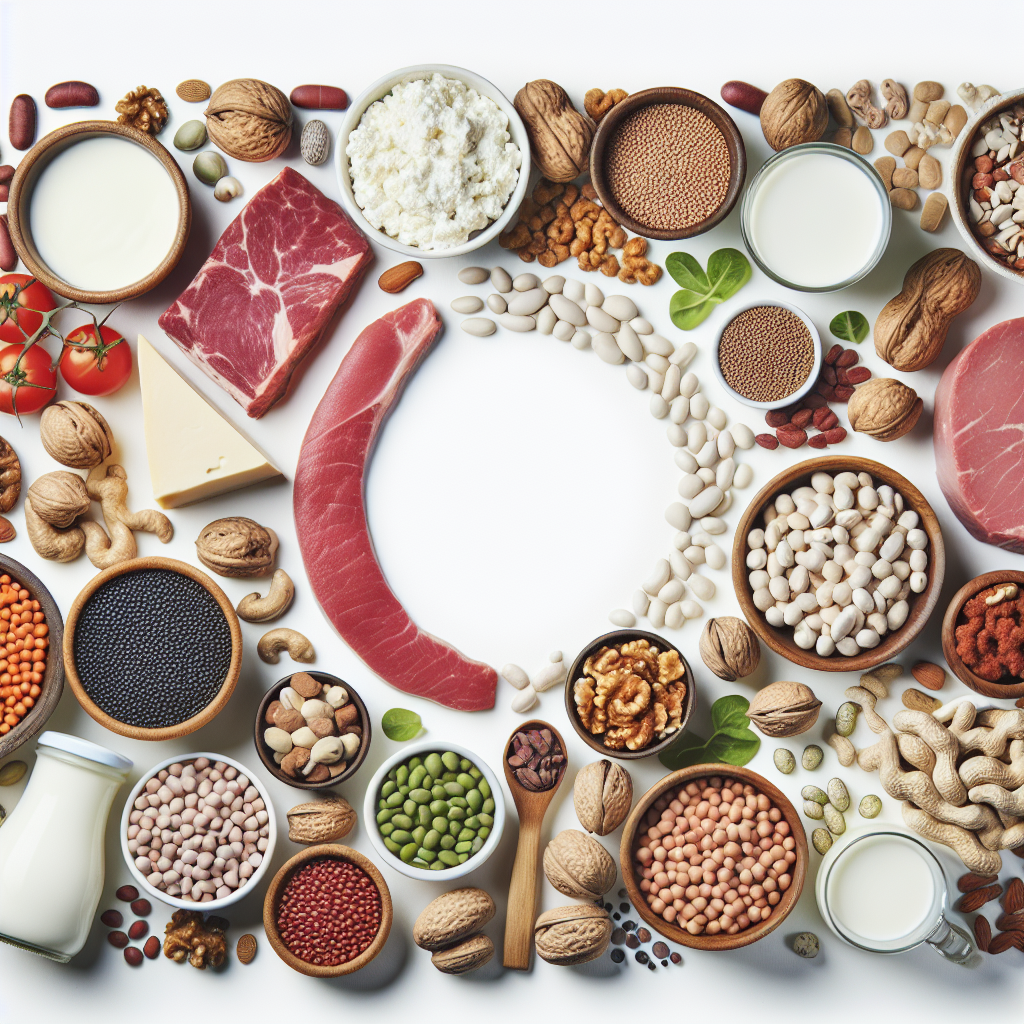
– **Legumes:** Beans, lentils, and chickpeas are rich in protein, fiber, and essential minerals. They can be used in soups, stews, salads, and even as meat substitutes in dishes like lentil loaf or bean burgers.
– **Tofu and Tempeh:** These soy-based foods are versatile and can be used in a variety of dishes. They absorb flavors well, making them suitable for curries, stir-fries, and grilled dishes.
– **Nuts and Seeds:** Almonds, walnuts, chia seeds, and flaxseeds provide healthy fats and protein. They can be added to smoothies, cereals, or salads.
– **Quinoa and Amaranth:** These pseudo-grains are complete proteins, providing all essential amino acids. Use them as a base for salads or sides.
– **Dairy and Eggs:** For ovo-lacto vegetarians, low-fat dairy and eggs are excellent protein sources. Choose low-fat options to align with DASH guidelines.
Sample Vegetarian DASH Meal Plan
Creating a vegetarian meal plan that follows the DASH principles is straightforward. Here is a sample day:
– **Breakfast:** Overnight oats made with rolled oats, almond milk, chia seeds, topped with fresh berries and a sprinkle of nuts.
– **Lunch:** Quinoa salad with mixed vegetables, chickpeas, and a lemon-tahini dressing.
– **Snack:** Carrot sticks with hummus.
– **Dinner:** Stir-fried tofu with broccoli, bell peppers, and brown rice, seasoned with ginger and garlic.
– **Dessert:** Fresh fruit salad with a dollop of yogurt.
Benefits of a Vegetarian DASH Diet
1. **Heart Health:** The vegetarian DASH diet emphasizes plant-based, nutrient-dense foods that are known to lower cholesterol levels and reduce the risk of heart disease.
2. **Weight Management:** High fiber content from vegetables, fruits, and whole grains helps promote satiety, which can aid in weight management.
3. **Nutrient-Rich:** The diet is high in essential nutrients like potassium, magnesium, and calcium, which are crucial for maintaining healthy blood pressure.
4. **Environmental Impact:** A vegetarian diet generally has a lower carbon footprint compared to diets high in meat and dairy, aligning with sustainable eating practices.
Potential Challenges and Solutions
Adapting the DASH diet to vegetarian needs comes with some challenges:
– **Protein Intake:** Ensuring adequate protein can be a concern. Solution: Diversify protein sources, incorporating a mix of legumes, soy products, nuts, and whole grains.
– **Vitamin B12 and Iron:** These nutrients are primarily found in animal products. Solution: Consider fortified foods or supplements for B12 and pair iron-rich plant foods with vitamin C-rich foods to enhance absorption.
– **Meal Variety:** Keeping meals interesting is crucial. Solution: Experiment with international cuisines that naturally emphasize vegetarian ingredients like Indian, Mediterranean, and Middle Eastern.
Conclusion
The DASH diet is a versatile and effective approach to improving cardiovascular health, and it can be easily adapted to suit vegetarian preferences. By focusing on a variety of plant-based foods, vegetarians can ensure they receive all the essential nutrients while adhering to the principles of the DASH diet. This approach not only supports heart health but also promotes overall wellness and environmental sustainability. With careful planning and creativity, a vegetarian DASH diet can be both nutritious and delicious, offering a path to better health for those choosing a meat-free lifestyle.
“`
This article provides a comprehensive overview of how the DASH diet can be tailored to suit vegetarian preferences, ensuring that the diet remains nutritious and effective in promoting heart health.








Add comment