
Introduction to the DASH Diet
The Dietary Approaches to Stop Hypertension (DASH) diet is a well-researched eating plan designed to help prevent and manage high blood pressure. However, beyond its primary purpose, the DASH diet has gained recognition as an effective strategy for weight loss. By emphasizing whole foods and balanced nutrition, the DASH diet promotes healthy and sustainable weight management. This article explores how the DASH diet can serve as an effective pathway to weight loss and improve overall health.
Understanding the Core Principles of the DASH Diet
The DASH diet focuses on consuming nutrient-rich foods that help lower blood pressure and improve heart health. It emphasizes fruits, vegetables, whole grains, lean proteins, and low-fat dairy products while reducing the intake of saturated fats, cholesterol, and sodium. By prioritizing these food groups, the diet provides a wide range of essential nutrients while limiting calorie-dense and nutrient-poor options.
Key Components of the DASH Diet
1. **Fruits and Vegetables**: These form the cornerstone of the DASH diet, providing essential vitamins, minerals, and dietary fiber. A diet rich in fruits and vegetables not only supports weight loss but also contributes to overall health by reducing the risk of chronic diseases.
2. **Whole Grains**: Unlike refined grains, whole grains retain their nutrient-rich bran and germ. They are an excellent source of fiber and help in maintaining satiety, which is crucial for weight management.
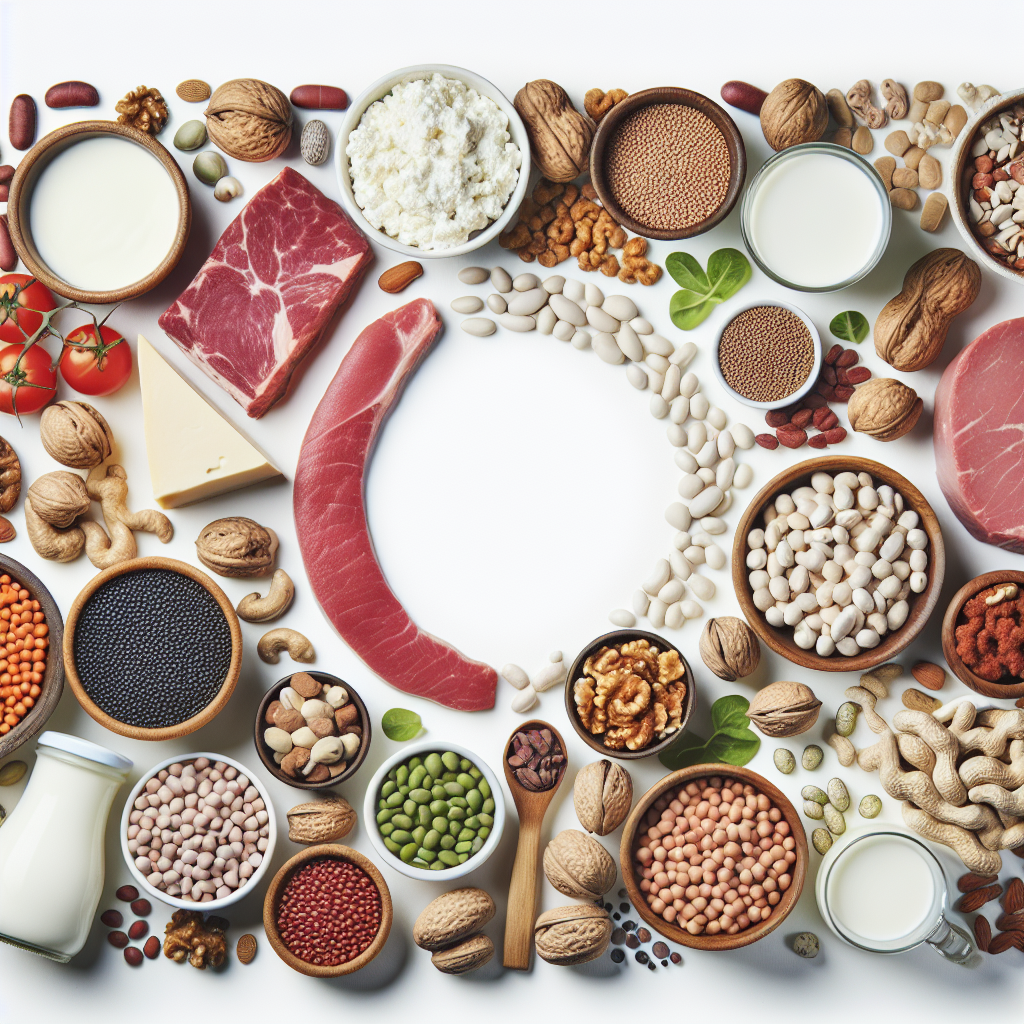
3. **Lean Proteins**: The diet recommends lean meats, poultry, fish, beans, and nuts. These protein sources support muscle maintenance and repair, essential for a healthy metabolism.
4. **Low-Fat Dairy**: Low-fat or fat-free dairy products provide calcium and vitamin D, which are vital for bone health. They also offer protein and can aid in satiety.
5. **Reduced Sodium**: By limiting sodium intake, the DASH diet helps reduce blood pressure and supports heart health. This reduction also minimizes water retention, contributing to weight loss.
How the DASH Diet Promotes Weight Loss
The DASH diet’s structured approach to eating naturally reduces caloric intake while providing a nutrient-dense profile. Here’s how it fosters weight loss:
Calorie Control
The emphasis on whole foods naturally lowers the energy density of meals. By consuming more fruits, vegetables, and whole grains, individuals can feel fuller for longer periods without consuming excessive calories. This leads to a natural reduction in total calorie intake, contributing to weight loss.
Improved Satiety
High-fiber foods such as fruits, vegetables, and whole grains are integral to the DASH diet. Dietary fiber is known for its ability to enhance satiety, making individuals feel full and satisfied after meals. This reduces the likelihood of overeating or snacking on high-calorie foods.
Balanced Nutrition
The DASH diet ensures a balanced intake of macronutrients, which helps stabilize blood sugar levels and prevents energy crashes. This balance reduces cravings and the urge to consume calorie-dense, sugary snacks.
Metabolic Benefits
By incorporating lean proteins and healthy fats, the DASH diet supports muscle mass maintenance and metabolic function. A healthy metabolism is crucial for effective weight loss and maintaining a healthy weight.
Implementing the DASH Diet for Weight Loss
Adopting the DASH diet can be a seamless transition towards healthier eating habits. Here are practical steps to implement the diet for weight loss:
Meal Planning and Preparation
1. **Plan Balanced Meals**: Start by planning meals around the core components of the DASH diet. Incorporate a variety of fruits, vegetables, and whole grains in each meal, along with lean protein sources.
2. **Portion Control**: Be mindful of portion sizes to avoid overeating. Use smaller plates and bowls to help control serving sizes and prevent calorie overload.
3. **Snack Wisely**: Choose healthy snacks such as fresh fruit, raw vegetables, or a handful of nuts to curb hunger between meals.
Grocery Shopping Tips
1. **Focus on Fresh Produce**: Prioritize fresh fruits and vegetables when grocery shopping. Frozen and canned options without added sugars or sodium are also good alternatives.
2. **Choose Whole Grains**: Opt for whole grain versions of bread, pasta, and rice. Check labels for whole grain ingredients to ensure you’re making the healthiest choices.
3. **Select Lean Proteins**: Purchase lean cuts of meat, skinless poultry, and fish. Incorporate plant-based proteins like beans and legumes into meals regularly.
Overcoming Challenges and Staying Motivated
Transitioning to a new dietary pattern can be challenging. Here are strategies to overcome common obstacles and stay motivated on the DASH diet:
Handling Social Situations
Social gatherings and dining out can pose challenges to maintaining the DASH diet. Opt for healthier menu items and practice portion control. Don’t hesitate to communicate dietary preferences to friends and family.
Maintaining Consistency
Consistency is key to long-term success. Set realistic goals and track progress to stay motivated. Celebrate small victories along the way to reinforce positive changes.
Seeking Support
Join online communities or local support groups where individuals share similar goals. Engaging with others can provide encouragement, accountability, and valuable tips.
Health Benefits Beyond Weight Loss
While weight loss is a significant benefit, the DASH diet offers numerous health advantages:
Reduced Blood Pressure
The primary goal of the DASH diet is to lower blood pressure. By reducing sodium intake and emphasizing potassium-rich foods, individuals can experience significant improvements in blood pressure levels.
Improved Heart Health
The diet’s emphasis on nutrient-rich foods supports cardiovascular health by reducing cholesterol levels and inflammation. These effects decrease the risk of heart disease and stroke.
Better Blood Sugar Control
The balanced nutrition of the DASH diet helps regulate blood sugar levels, reducing the risk of developing type 2 diabetes. It also assists those with diabetes in managing their condition.
Conclusion
The DASH diet is a versatile and effective strategy for weight loss and overall health improvement. By focusing on whole foods and reducing processed options, individuals can achieve sustainable weight loss while reaping numerous health benefits. Implementing the DASH diet involves planning, consistency, and a commitment to healthier choices. With its proven track record in improving heart health and promoting weight management, the DASH diet stands out as an effective path to achieving and maintaining a healthy weight.









Add comment