
Understanding the DASH Diet
The Dietary Approaches to Stop Hypertension (DASH) diet is a well-researched and highly recommended eating plan designed to help prevent and control high blood pressure. Originating in the early 1990s, the DASH diet emphasizes the consumption of nutrient-dense foods that are low in sodium and rich in essential nutrients such as potassium, calcium, and magnesium. These elements are critical in managing hypertension and promoting heart health.
Why Heart Health Matters
Cardiovascular health is a cornerstone of overall well-being. Heart disease remains the leading cause of death globally, underscoring the importance of proactive measures to maintain a healthy heart. Lifestyle factors, such as diet, play a pivotal role in mitigating risks associated with heart disease. A heart-healthy diet can significantly reduce the likelihood of developing conditions like hypertension, atherosclerosis, and heart attacks.
The Principles of the DASH Diet
The DASH diet is characterized by its focus on whole foods and balanced nutrients. Here are the core principles that define this dietary approach:
Fruits and Vegetables
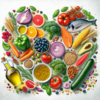
Consuming a variety of fruits and vegetables is central to the DASH diet. These foods are rich in fiber, vitamins, and minerals, which are crucial for heart health. The high potassium content in fruits and vegetables helps balance sodium levels in the body, reducing blood pressure.
Whole Grains
Whole grains, such as oats, brown rice, and whole wheat bread, are emphasized in the DASH diet. These foods are excellent sources of fiber and help to maintain healthy cholesterol levels, further protecting against heart disease.
Lean Proteins
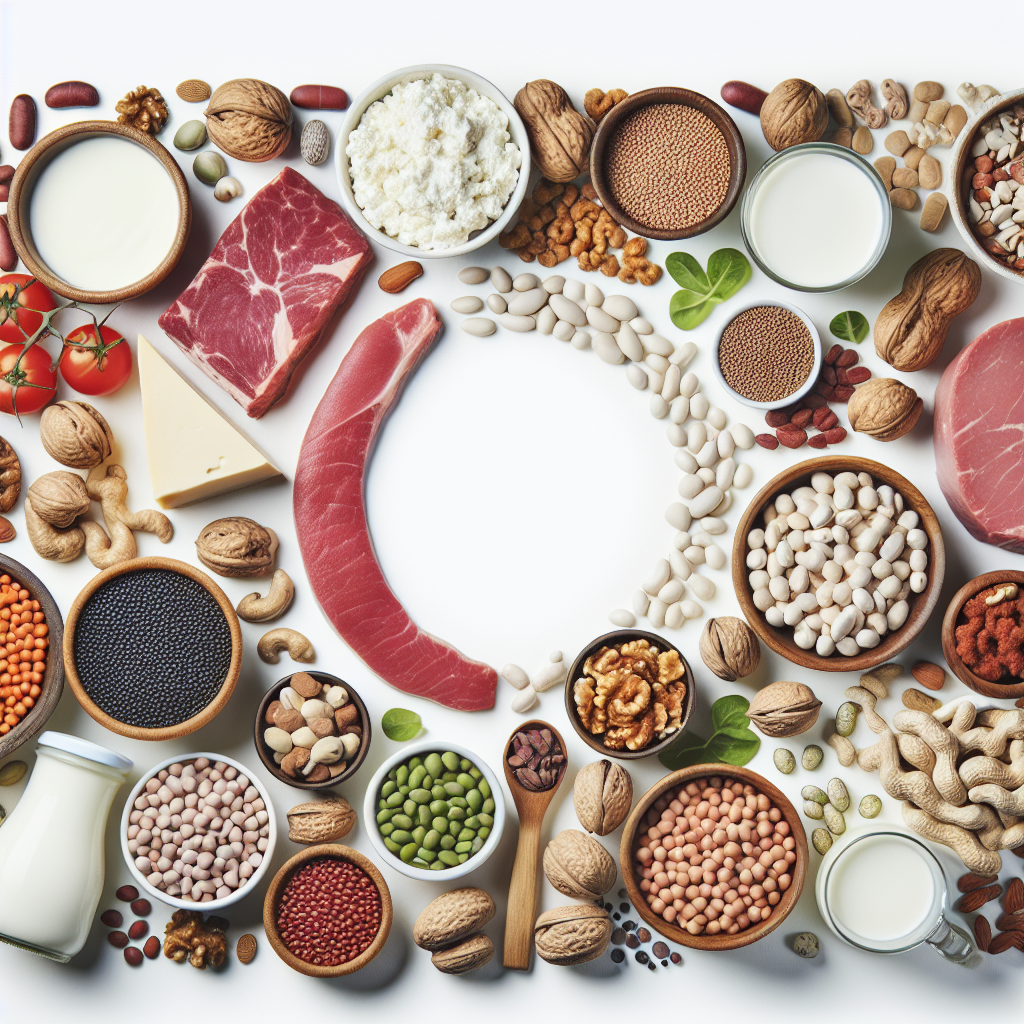
The DASH diet encourages the consumption of lean protein sources, including poultry, fish, and legumes. These proteins are lower in saturated fats compared to red meats, which are linked to increased cholesterol levels and heart disease risk.
Low-Fat Dairy
Incorporating low-fat or fat-free dairy products provides essential calcium and vitamin D without the added saturated fat found in full-fat versions. These nutrients are vital for maintaining healthy blood pressure and heart function.
Nuts, Seeds, and Legumes
Nuts, seeds, and legumes are excellent sources of healthy fats, protein, and fiber. Including these in your diet can help reduce inflammation and improve overall cardiovascular health.
Limited Sodium
One of the primary goals of the DASH diet is to reduce sodium intake. High sodium levels are directly linked to increased blood pressure, a leading risk factor for heart disease. The DASH diet recommends keeping sodium intake to less than 2,300 mg per day, with an ideal target of 1,500 mg for those with hypertension.
Moderation of Sweets and Fats
While the DASH diet allows for occasional treats, it emphasizes moderation. Limiting the intake of sugary foods and beverages, as well as foods high in saturated and trans fats, is crucial for maintaining heart health.
Benefits of the DASH Diet for Heart Health
The DASH diet offers a multitude of benefits that contribute to improved heart health:
Lower Blood Pressure
Numerous studies have shown that following the DASH diet can significantly lower blood pressure in individuals with hypertension. The combination of reduced sodium intake and increased consumption of heart-healthy nutrients plays a key role in this effect.
Improved Cholesterol Levels
By focusing on whole grains, lean proteins, and healthy fats, the DASH diet helps to improve cholesterol profiles. Lowering LDL cholesterol and increasing HDL cholesterol are essential for reducing the risk of heart disease.
Weight Management
The emphasis on nutrient-dense, low-calorie foods in the DASH diet can aid in weight management. Maintaining a healthy weight is crucial for heart health, as obesity is a significant risk factor for cardiovascular disease.
Reduced Risk of Heart Disease
Overall, the DASH diet’s focus on heart-healthy foods and balanced nutrition helps to reduce the risk of developing heart disease. The diet’s effectiveness in lowering blood pressure and improving cholesterol levels directly contributes to this outcome.
Implementing the DASH Diet
Transitioning to the DASH diet involves making gradual changes to your eating habits. Here are some practical tips to help you get started:
Create a Meal Plan
Planning your meals in advance can help you incorporate a variety of DASH-friendly foods into your diet. Focus on including fruits, vegetables, whole grains, and lean proteins in each meal.
Read Food Labels
Paying attention to food labels can help you make informed choices, particularly when it comes to sodium content. Opt for low-sodium or no-salt-added versions of your favorite foods.
Experiment with Herbs and Spices
Enhance the flavor of your meals with herbs and spices instead of salt. This not only reduces sodium intake but also adds a burst of flavor and nutrients to your dishes.
Incorporate Variety
To keep your meals interesting and enjoyable, incorporate a wide range of fruits, vegetables, grains, and proteins. Experiment with different cuisines and cooking methods to discover new favorites.
Practice Portion Control
While the DASH diet focuses on healthy foods, portion control remains important. Pay attention to serving sizes to avoid consuming excess calories.
Stay Hydrated
Adequate hydration is essential for overall health. Opt for water, herbal teas, or other low-calorie beverages to keep hydrated without adding unnecessary sugars.
Conclusion
The DASH diet is a proven and effective approach to improving heart health. By emphasizing whole foods, reducing sodium intake, and focusing on balanced nutrition, the DASH diet supports healthy blood pressure, cholesterol levels, and weight management. Implementing this diet can significantly reduce the risk of heart disease, promoting a long and healthy life. Adopting the DASH diet is a proactive step towards safeguarding your cardiovascular well-being and ensuring a healthier future.








Add comment