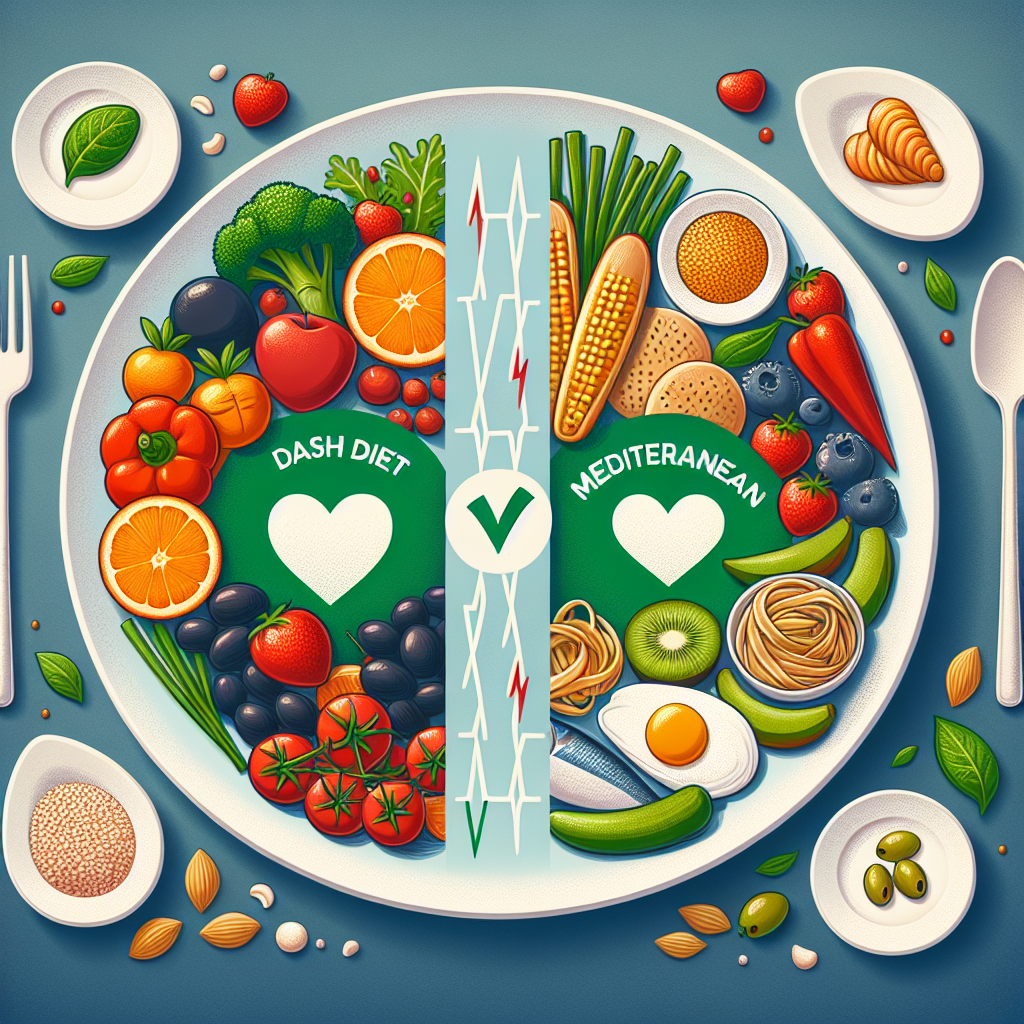
DASH vs. Mediterranean: A Heart-Healthy Showdown
In the realm of heart-healthy diets, two contenders often emerge as the champions: the DASH diet and the Mediterranean diet. Both have been extensively studied and are recommended by health professionals worldwide for their benefits in preventing and managing heart disease. However, these diets differ in their origins, dietary recommendations, and the nuances of their health benefits. This article delves into the intricacies of the DASH and Mediterranean diets, comparing their principles, benefits, and potential drawbacks to help you make an informed choice for your heart health.
Understanding the DASH Diet
The Dietary Approaches to Stop Hypertension (DASH) diet was initially developed to combat high blood pressure. Its primary focus is on reducing sodium intake and emphasizing nutrient-rich foods, which contribute to overall cardiovascular health.
Core Principles of the DASH Diet
The DASH diet emphasizes fruits, vegetables, whole grains, lean proteins, and low-fat dairy, while limiting foods high in saturated fats, cholesterol, and trans fats. It promotes the intake of nutrients like potassium, calcium, and magnesium, which are known to help lower blood pressure.
Health Benefits of the DASH Diet
Research shows that the DASH diet can significantly reduce blood pressure in as little as two weeks. It also contributes to overall heart health by reducing LDL cholesterol levels. Moreover, due to its emphasis on whole foods, the diet supports weight management and reduces the risk of certain chronic diseases such as type 2 diabetes and stroke.
Potential Drawbacks of the DASH Diet
While the DASH diet is generally well-tolerated, its low sodium requirement can be challenging for some individuals to maintain. Additionally, those accustomed to high-fat diets may initially find the lower fat intake of DASH to be less satiating.
Exploring the Mediterranean Diet
The Mediterranean diet is inspired by the traditional dietary patterns of countries bordering the Mediterranean Sea, such as Greece, Italy, and Spain. Renowned for its delicious and diverse food options, it has gained popularity not only for heart health but also for its role in promoting overall well-being.
Core Principles of the Mediterranean Diet
The Mediterranean diet emphasizes the consumption of fruits, vegetables, whole grains, legumes, nuts, and seeds. Olive oil serves as the primary source of fat, while moderate consumption of fish, poultry, and red wine is encouraged. Red meat, processed foods, and sweets are limited.
Health Benefits of the Mediterranean Diet
Numerous studies associate the Mediterranean diet with reduced risk of heart disease, improved cholesterol levels, and better blood pressure control. Its high content of healthy fats, such as omega-3 fatty acids from fish and monounsaturated fats from olive oil, contributes to its cardioprotective effects. Additionally, the diet is linked to a lower risk of type 2 diabetes, obesity, and certain cancers.
Potential Drawbacks of the Mediterranean Diet
Although the Mediterranean diet is widely regarded as healthy, it may not be suitable for everyone. The emphasis on olive oil and nuts can lead to higher calorie intake, which might be a concern for those aiming for weight loss. Additionally, individuals with dietary restrictions, such as vegetarians or those avoiding alcohol, may need to modify certain aspects of the diet.
Comparative Analysis: DASH vs. Mediterranean
While both diets share certain similarities, such as a focus on whole, nutrient-rich foods, their differences are significant enough to consider when choosing between them.
Dietary Components
The DASH diet is structured around specific servings and nutrient intakes, particularly in relation to sodium, while the Mediterranean diet is more flexible and focuses on lifestyle and cultural eating patterns. DASH restricts sodium to about 1,500-2,300 mg per day, whereas the Mediterranean diet does not have specific sodium guidelines but naturally results in lower sodium intake due to its food choices.
Fat Content
The DASH diet tends to be lower in fat, focusing on reducing saturated fats, while the Mediterranean diet allows for higher fat intake, emphasizing healthy fats from sources like olive oil and fish. This difference can impact the feeling of satiety and energy levels in individuals adhering to these diets.
Flexibility and Cultural Fit
The Mediterranean diet is often praised for its flexibility and adaptability to different cultural cuisines, making it easier for individuals to maintain over the long term. In contrast, the DASH diet’s structured nature might appeal to those who prefer clear guidelines and portion control.
Choosing the Right Diet for You
When deciding between the DASH and Mediterranean diets, consider your personal health needs, lifestyle, and food preferences. If your primary goal is to lower blood pressure quickly and effectively, the DASH diet may be more suitable. However, if you are looking for a more holistic approach to heart health with an emphasis on enjoyable eating, the Mediterranean diet could be a better fit.
Additionally, it is crucial to consult with a healthcare professional or a registered dietitian before making significant dietary changes, especially if you have existing health conditions or specific dietary requirements.
Conclusion
Both the DASH and Mediterranean diets offer substantial benefits for heart health, yet they achieve these benefits through different means. The DASH diet is precise and structured, focusing on specific nutrients to combat hypertension. In contrast, the Mediterranean diet is more about embracing a lifestyle that naturally leads to better heart health through diverse and flavorful food choices.
Ultimately, the best diet is one that aligns with your health goals, lifestyle, and personal preferences. By understanding the strengths and limitations of each diet, you can make an informed decision that supports both your heart health and overall well-being.










Add comment