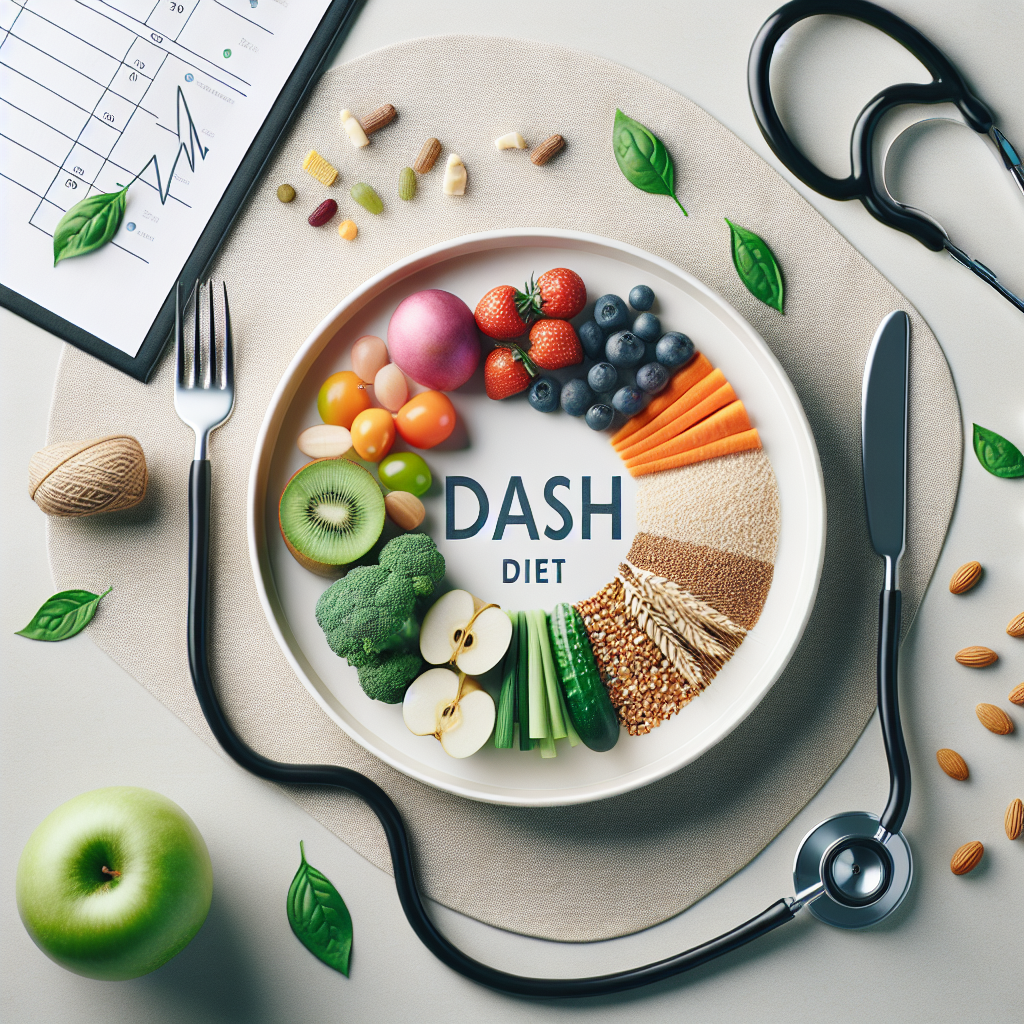
Introduction to the DASH Diet
The Dietary Approaches to Stop Hypertension (DASH) diet is a well-researched eating plan designed to promote heart health and reduce blood pressure. Initially developed in the 1990s to combat high blood pressure, the DASH diet has gained recognition for its profound benefits beyond just cardiovascular health. It emphasizes the consumption of whole foods, lean proteins, and healthy fats, making it a sustainable and nutritious choice for individuals seeking to improve their overall well-being.
Understanding the DASH Diet Principles
At its core, the DASH diet focuses on reducing sodium intake while encouraging the consumption of nutrient-rich foods. This approach helps to lower blood pressure naturally. The diet is rich in fruits, vegetables, whole grains, lean proteins, and low-fat dairy. By emphasizing these food groups, the DASH diet provides essential nutrients like potassium, calcium, magnesium, and fiber, which are key to maintaining a healthy heart.
Key Components of the DASH Diet
Fruits and Vegetables
The DASH diet encourages the consumption of a variety of fruits and vegetables. These foods are low in calories and high in essential nutrients, making them crucial for maintaining a healthy weight and reducing blood pressure. They provide vitamins, minerals, and antioxidants that support overall health.
Whole Grains
Whole grains are an integral part of the DASH diet, offering more nutrients and fiber than refined grains. Foods like whole wheat bread, brown rice, and quinoa are excellent choices. They help improve digestion, stabilize blood sugar levels, and contribute to heart health.
Lean Proteins
The diet emphasizes lean protein sources such as poultry, fish, beans, and nuts. These proteins are lower in saturated fat and cholesterol, making them heart-friendly options. Including a variety of protein sources ensures you receive a broad spectrum of essential amino acids.
Low-Fat Dairy
Low-fat or fat-free dairy products are recommended in the DASH diet. They provide calcium and vitamin D, which are important for maintaining bone health. Options like yogurt and milk can be included in daily meals to meet nutritional needs without excess fat intake.
Limited Red Meat and Sweets
The DASH diet advises limiting the intake of red meat, sweets, and sugary beverages. These foods often contain high levels of saturated fats, cholesterol, and added sugars, which can contribute to weight gain and increased blood pressure. Reducing their consumption helps maintain a balanced diet.
Health Benefits of the DASH Diet
Lowering Blood Pressure
One of the primary benefits of the DASH diet is its ability to lower blood pressure. The diet’s emphasis on low sodium intake and high consumption of potassium-rich foods helps to regulate blood pressure levels, reducing the risk of hypertension and related cardiovascular conditions.
Weight Management
The DASH diet promotes a healthy lifestyle that can help with weight management. By focusing on nutrient-dense foods and reducing calorie-dense, nutrient-poor options, individuals can maintain a healthy weight or achieve weight loss goals. The diet’s balanced approach prevents overeating and supports long-term weight control.
Reducing Cholesterol Levels
By limiting saturated fats and cholesterol, the DASH diet helps lower harmful LDL (low-density lipoprotein) cholesterol levels. This reduction in LDL cholesterol is crucial for preventing the buildup of plaque in arteries, reducing the risk of heart disease and stroke.
Improving Insulin Sensitivity
The DASH diet may improve insulin sensitivity, making it beneficial for individuals with type 2 diabetes or those at risk of developing the condition. The diet’s emphasis on whole grains, fruits, vegetables, and lean proteins helps regulate blood sugar levels and improve metabolic health.
The DASH Diet in Daily Life
Meal Planning
Incorporating the DASH diet into your daily routine involves thoughtful meal planning. Start by filling half of your plate with fruits and vegetables, and the other half with whole grains and lean proteins. Incorporate low-fat dairy products into meals or snacks for added calcium.
Reading Food Labels
Understanding food labels is crucial when following the DASH diet. Pay attention to sodium content and choose options with lower sodium levels. Opt for products high in dietary fiber and essential nutrients. Avoid foods with added sugars and unhealthy fats.
Gradual Changes
Transitioning to the DASH diet doesn’t have to be overwhelming. Start by making small changes, such as adding an extra serving of vegetables to meals or swapping refined grains for whole grains. Gradually adjust your diet over time to align with DASH principles.
Conclusion
The DASH diet is a powerful tool for improving heart health and overall well-being. Its emphasis on whole, nutrient-rich foods makes it a sustainable and effective eating plan for people of all ages. By adopting the DASH diet, you can lower blood pressure, manage weight, reduce cholesterol, and enhance insulin sensitivity. With its numerous benefits and adaptable approach, the DASH diet is an excellent choice for those seeking a healthier lifestyle.









Add comment