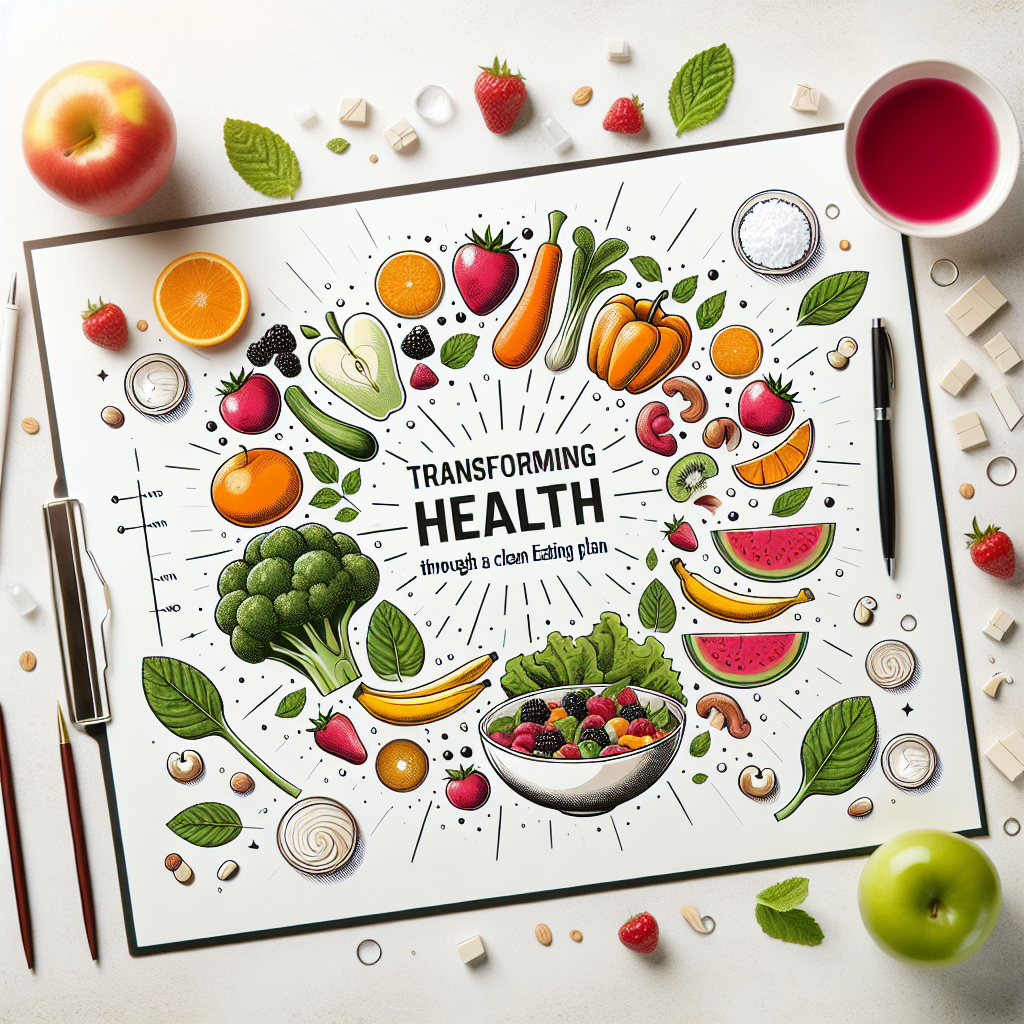
Introduction to Clean Eating
In today’s fast-paced world, where processed foods and quick meals dominate our diets, the concept of clean eating is gaining significant traction. Clean eating is not just a diet; it’s a lifestyle choice that focuses on consuming whole, unprocessed foods as close to their natural state as possible. This approach not only enhances overall health but also promotes sustainable weight management, improved energy levels, and a reduced risk of chronic diseases. In this article, we’ll delve into the principles of clean eating and provide a comprehensive meal plan to help transform your health.
The Principles of Clean Eating
Before diving into the meal plan, it’s crucial to understand the core principles that underpin the clean eating lifestyle. These principles guide food choices and ensure you are consuming optimal nutrition.
1. Whole Foods
Clean eating emphasizes the consumption of whole foods, such as fruits, vegetables, whole grains, lean proteins, and healthy fats. These foods are minimally processed and retain their natural nutrients, providing essential vitamins, minerals, and antioxidants.
2. Avoid Processed Foods
Processed foods often contain unhealthy additives, preservatives, and refined sugars that can have detrimental effects on health. Clean eating involves steering clear of these products and opting for fresh, natural alternatives.
3. Focus on Nutrient Density
Instead of counting calories, clean eating encourages focusing on nutrient density. This means choosing foods that provide a high concentration of nutrients relative to their calorie content, ensuring your body gets the vitamins and minerals it needs.
4. Mindful Eating
Mindful eating is an integral part of clean eating. It involves paying attention to hunger cues, eating slowly, and savoring each bite. This practice not only enhances digestion but also promotes a healthier relationship with food.
Benefits of Clean Eating
Adopting a clean eating lifestyle can yield numerous health benefits, making it a worthwhile endeavor for anyone seeking to improve their well-being.
1. Enhanced Energy Levels
Whole foods are rich in complex carbohydrates, healthy fats, and proteins, providing a steady source of energy throughout the day. Unlike processed foods that can cause energy crashes, clean eating supports sustained vitality.
2. Improved Digestion
A diet rich in fiber from fruits, vegetables, and whole grains promotes healthy digestion and prevents issues like constipation and bloating. Additionally, clean eating reduces the intake of artificial additives that can disrupt gut health.
3. Weight Management
Clean eating naturally supports weight management by focusing on nutrient-dense foods that keep you fuller for longer. It eliminates the empty calories found in processed foods, making it easier to maintain a healthy weight.
4. Reduced Risk of Chronic Diseases
A clean eating lifestyle can significantly reduce the risk of chronic diseases such as heart disease, diabetes, and certain cancers. The antioxidants and anti-inflammatory compounds found in whole foods play a crucial role in disease prevention.
5. Clearer Skin
Consuming whole, nutrient-rich foods can lead to clearer, more radiant skin. The vitamins and minerals in fruits and vegetables nourish the skin from within, while avoiding processed foods reduces the risk of acne and other skin issues.
Creating a Clean Eating Meal Plan
Now that we understand the principles and benefits of clean eating, let’s explore how to create a meal plan that supports this lifestyle. A well-balanced meal plan includes a variety of foods from different food groups, ensuring you receive all the essential nutrients.
Breakfast
Breakfast is an important meal that sets the tone for the rest of the day. Here are some clean eating breakfast options:
– **Overnight Oats**: Combine rolled oats with almond milk, chia seeds, and a sprinkle of cinnamon. Top with fresh berries and a handful of nuts for added texture and flavor.
– **Veggie Omelet**: Whisk eggs with spinach, tomatoes, and bell peppers. Cook in a non-stick pan and serve with a side of whole-grain toast for a filling, nutrient-rich breakfast.
– **Smoothie Bowl**: Blend a banana, spinach, and a tablespoon of almond butter with unsweetened almond milk. Pour into a bowl and top with sliced kiwi, chia seeds, and granola.
Lunch
Lunch should be a balanced meal that provides sustained energy for the afternoon. Here are some clean eating lunch ideas:
– **Quinoa Salad**: Toss cooked quinoa with cherry tomatoes, cucumber, avocado, and chickpeas. Drizzle with lemon juice and olive oil for a refreshing salad.
– **Grilled Chicken Wrap**: Fill a whole-grain wrap with grilled chicken, mixed greens, shredded carrots, and hummus. Roll it up for a convenient and delicious lunch option.
– **Lentil Soup**: Simmer lentils with diced tomatoes, carrots, celery, and herbs. Serve with a slice of whole-grain bread for a hearty and satisfying meal.
Dinner
Dinner should be nutrient-dense and provide the necessary macronutrients for recovery and repair. Consider these clean eating dinner recipes:
– **Baked Salmon with Asparagus**: Season salmon fillets with lemon, dill, and garlic. Bake alongside asparagus spears for a simple and nutritious dinner.
– **Stuffed Bell Peppers**: Fill bell peppers with a mixture of brown rice, black beans, diced tomatoes, and spices. Bake until the peppers are tender and the filling is heated through.
– **Zucchini Noodles with Pesto**: Spiralize zucchini and toss with homemade pesto, cherry tomatoes, and grilled shrimp. This low-carb option is packed with flavor and nutrients.
Snacks
Snacks are an important part of a clean eating meal plan, providing energy between meals. Here are some healthy snack ideas:
– **Greek Yogurt with Berries**: Top a bowl of Greek yogurt with fresh berries and a sprinkle of flaxseeds for a protein-rich snack.
– **Nut Butter and Apple Slices**: Spread almond or peanut butter on apple slices for a satisfying and crunchy snack.
– **Carrot Sticks with Hummus**: Dip carrot sticks in homemade hummus for a fiber-rich and flavorful snack option.
Practical Tips for Adopting Clean Eating
Transitioning to a clean eating lifestyle can be challenging initially, but with a few practical tips, it becomes more manageable and enjoyable.
1. Plan and Prep Meals
Set aside time each week to plan your meals and snacks. Prepare ingredients in advance to ensure you have healthy options readily available, reducing the temptation of reaching for processed foods.
2. Read Labels
When purchasing packaged foods, read labels carefully to identify hidden additives, sugars, and unhealthy fats. Opt for products with minimal ingredients and those that you can easily recognize.
3. Cook at Home
Cooking at home gives you control over the ingredients in your meals. Experiment with recipes and try new foods to keep your meals exciting and varied.
4. Stay Hydrated
Proper hydration is a crucial aspect of clean eating. Drink plenty of water throughout the day and limit sugary beverages, which can contribute to empty calories and dehydration.
5. Practice Moderation
While clean eating emphasizes whole foods, it’s important to practice moderation. Allow yourself occasional treats to maintain a balanced and sustainable approach to your diet.
Conclusion
Adopting a clean eating meal plan is a powerful way to transform your health and well-being. By focusing on whole, nutrient-dense foods and avoiding processed options, you can enjoy increased energy, improved digestion, and a reduced risk of chronic diseases. Remember to plan your meals, stay hydrated, and enjoy the journey towards a healthier lifestyle. Embrace clean eating as a lifelong commitment to nourishing your body and mind, and experience the profound benefits it has to offer.







Add comment