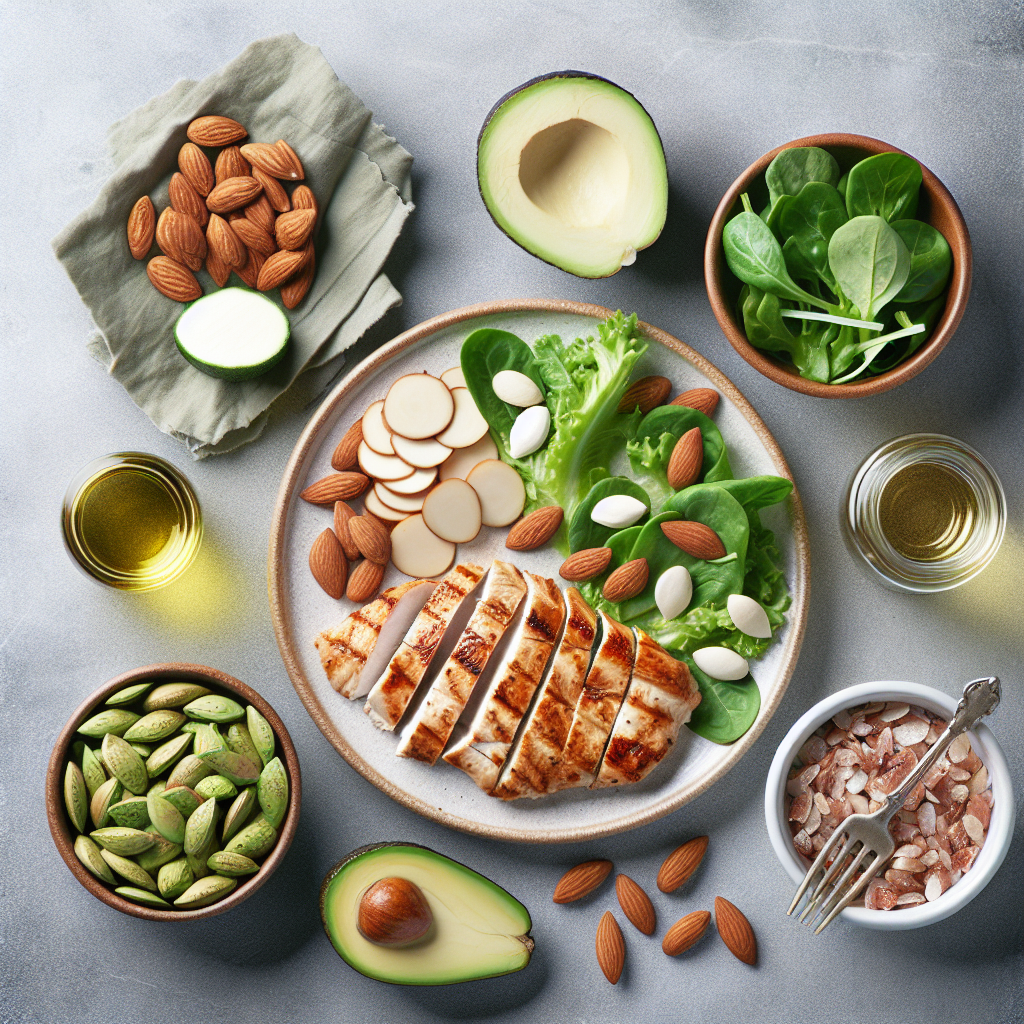
Introduction to the Keto Diet
The ketogenic diet, commonly known as the keto diet, is a popular eating plan that focuses on high-fat, moderate-protein, and low-carbohydrate intake. The objective of this diet is to shift the body’s metabolism from relying on carbohydrates for energy to burning fats. This metabolic state is known as ketosis. The keto diet has gained popularity for its potential benefits in weight loss, improved mental clarity, and better energy levels.
Understanding How Keto Works
Normally, the body converts carbohydrates into glucose, which serves as the primary source of energy. However, when carbohydrate intake is drastically reduced, the body is forced to find an alternative fuel source. During ketosis, the liver converts fats into ketones, which then become the primary energy source. This shift can lead to significant fat loss and other health benefits.
Benefits of Following a Keto Diet
Weight Loss
By reducing carbohydrate intake, the body is forced to burn stored fat for energy, leading to weight loss. Many people find they lose weight quickly on the keto diet, especially in the initial weeks.
Increased Energy Levels
Once the body adjusts to ketosis, many people report feeling more energetic. This is because ketones are a more efficient fuel source than glucose.
Improved Mental Clarity
The brain can utilize ketones as a powerful energy source, which may lead to better focus and mental clarity.
Potential Health Benefits
Some studies suggest that the keto diet may help improve conditions such as type 2 diabetes, epilepsy, and even certain types of cardiovascular disease.
Basic Principles of a Keto Meal Plan
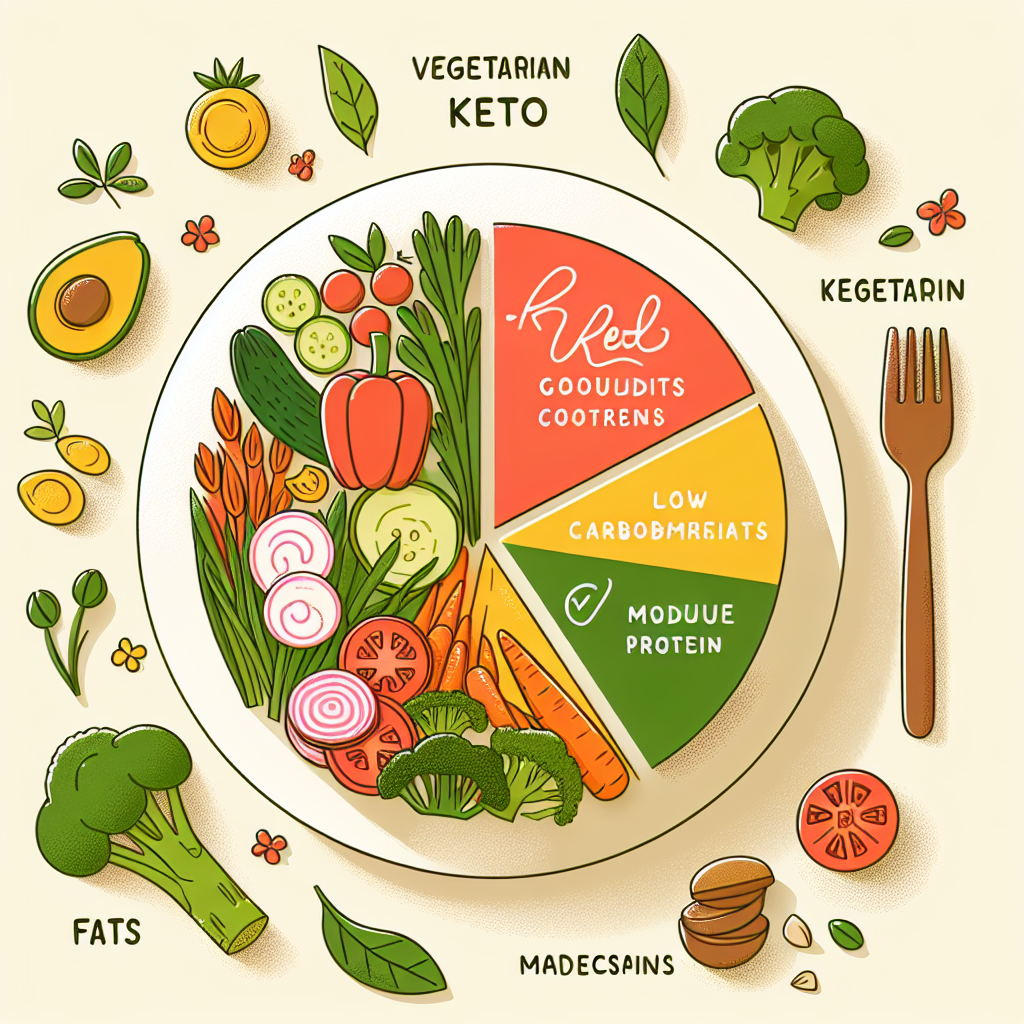
The keto diet is based on a macronutrient ratio that typically includes 70-80% fat, 10-20% protein, and 5-10% carbohydrates. It is important to focus on consuming healthy fats and proteins while minimizing carbohydrate intake. Here’s a simple breakdown of how to create a beginner-friendly keto meal plan.
Foods to Include
- Healthy Fats: Avocados, olive oil, coconut oil, butter, and nuts.
- Proteins: Meat, fish, eggs, and cheese.
- Low-Carb Vegetables: Leafy greens, broccoli, cauliflower, and zucchini.
- Dairy: Full-fat yogurt and cream.
Foods to Avoid
- Sugary Foods: Soft drinks, candy, and desserts.
- Grains: Bread, pasta, rice, and cereals.
- Starchy Vegetables: Potatoes, corn, and peas.
- Fruits: Most fruits are high in carbohydrates; however, small portions of berries are acceptable.
- Legumes: Beans, lentils, and chickpeas.
Sample 7-Day Keto Meal Plan
Day 1
- Breakfast: Scrambled eggs cooked in butter with spinach.
- Lunch: Grilled chicken salad with olive oil dressing and avocado.
- Dinner: Baked salmon with asparagus and a side salad.
Day 2
- Breakfast: Greek yogurt with a handful of nuts and seeds.
- Lunch: Turkey lettuce wraps with cheese and mayonnaise.
- Dinner: Beef stir-fry with broccoli and bell peppers cooked in coconut oil.
Day 3
- Breakfast: Omelet with cheese, mushrooms, and bell peppers.
- Lunch: Caesar salad with grilled shrimp and parmesan.
- Dinner: Pork chops with cauliflower mash and sautéed greens.
Day 4
- Breakfast: Chia pudding made with almond milk and topped with berries.
- Lunch: Tuna salad with olive oil and avocado.
- Dinner: Roast chicken with roasted Brussels sprouts and a side salad.
Day 5
- Breakfast: Smoothie with spinach, almond milk, and a scoop of protein powder.
- Lunch: Zucchini noodles with pesto and grilled chicken.
- Dinner: Lamb chops with roasted eggplant and a cucumber salad.
Day 6
- Breakfast: Bulletproof coffee and a side of bacon.
- Lunch: Egg salad with lettuce leaves and a side of olives.
- Dinner: Grilled steak with a side of sautéed mushrooms and garlic butter.
Day 7
- Breakfast: Keto pancakes made with almond flour and topped with butter.
- Lunch: Cobb salad with bacon, eggs, and blue cheese.
- Dinner: Baked cod with a side of roasted cauliflower and lemon butter.
Tips for Success on the Keto Diet
- Stay Hydrated: Drink plenty of water to help your body adjust to the keto diet and to prevent dehydration.
- Plan Your Meals: Having a meal plan can help you stay on track and make it easier to adhere to the diet.
- Monitor Your Macros: Use a food tracking app to ensure you are getting the right ratio of macronutrients.
- Be Patient: It can take time for your body to adapt to the keto diet, so give yourself time to adjust.
Conclusion
The keto diet can be an effective way to lose weight and improve your health. By understanding the basics and adhering to a simple meal plan, beginners can successfully transition into ketosis and enjoy the benefits of this low-carb, high-fat diet. Remember to focus on whole, nutrient-dense foods and listen to your body as you embark on this dietary journey. With consistency and dedication, you can achieve your health and wellness goals on the keto diet.











Add comment