
Introduction
In recent years, clean eating has gained immense popularity as a way to promote health and well-being. Central to this lifestyle is the emphasis on consuming whole, unprocessed foods. One key aspect of clean eating is reducing added sugars, which are often found in processed foods and can contribute to a range of health issues such as obesity, diabetes, and heart disease. In this article, we will explore practical tips to help you slash sugar from your diet while embracing clean eating, ultimately leading to a healthier lifestyle.
Understanding Sugar: The Basics
Before delving into the tips for reducing sugar, it’s important to understand the different types of sugars and their impact on the body. Sugar can be broadly categorized into natural sugars and added sugars. Natural sugars are found in whole foods such as fruits, vegetables, and dairy products. These sugars come with essential nutrients and fiber, which help regulate the body’s absorption of sugar, preventing spikes in blood sugar levels.
On the other hand, added sugars are those introduced during food processing or preparation. They provide little to no nutritional value and are often referred to as “empty calories.” Consuming high amounts of added sugars can lead to various health problems, making it crucial to minimize their intake for a clean eating approach.
Tip 1: Read Food Labels Carefully
One of the most effective ways to reduce sugar intake is by becoming a vigilant label reader. Food labels provide valuable information about the sugar content in packaged foods. Look for terms like “sucrose,” “glucose,” “fructose,” “corn syrup,” and “high-fructose corn syrup,” as these indicate the presence of added sugars. Additionally, check the ingredient list for other sugar aliases such as “maltose,” “dextrose,” and “molasses.” By identifying foods with high added sugar content, you can make informed choices and opt for healthier alternatives.
Tip 2: Choose Whole Foods Over Processed Foods
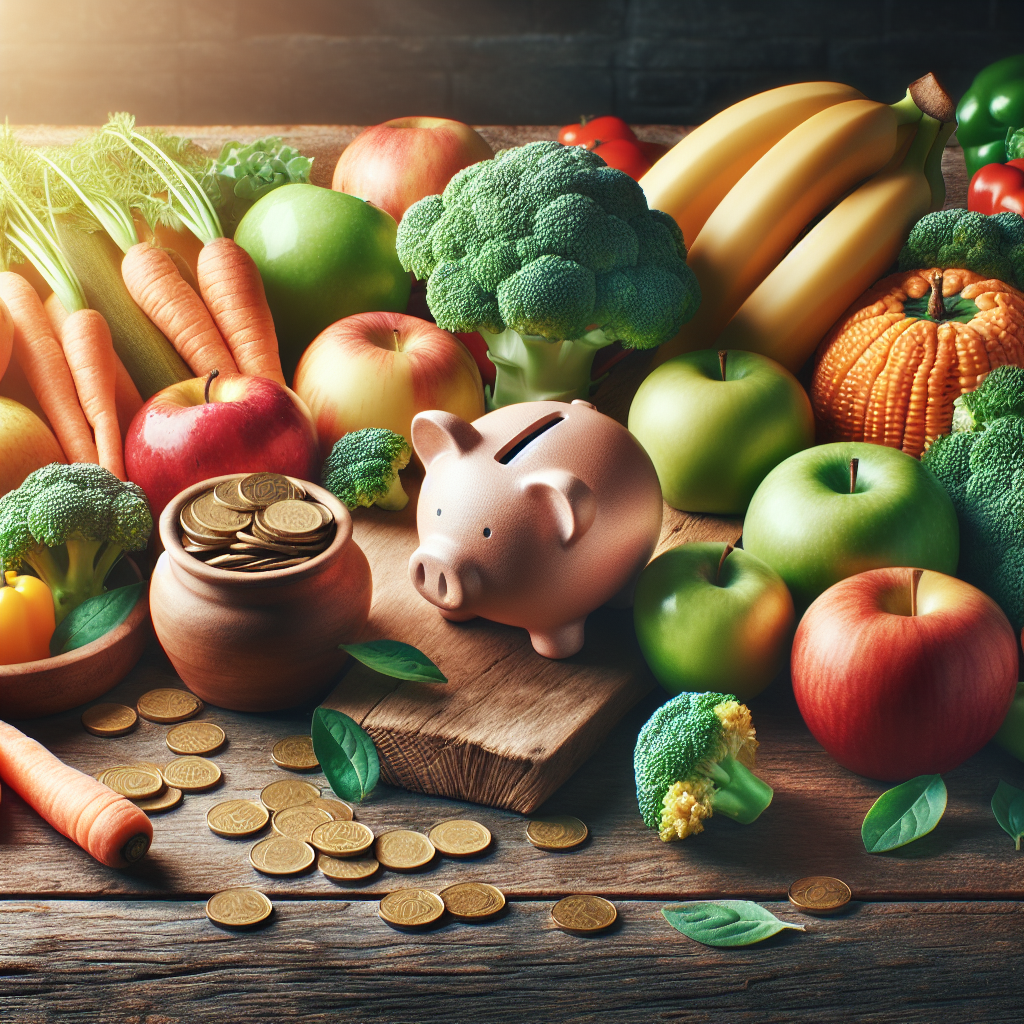
Processed foods are often laden with hidden sugars to enhance flavor and extend shelf life. A key principle of clean eating is to minimize processed foods and focus on whole, natural foods. Fresh fruits, vegetables, whole grains, lean proteins, and healthy fats should form the foundation of your diet. These foods provide essential nutrients and are less likely to contain added sugars. By prioritizing whole foods, you’ll naturally reduce your sugar intake and improve your overall health.
Tip 3: Be Mindful of Beverages
Beverages are a significant source of added sugars, often consumed without much thought. Sugary drinks like sodas, energy drinks, and sweetened teas can quickly contribute to excessive sugar intake. Instead, opt for water, herbal teas, or infused water with slices of citrus fruits or berries for a refreshing and sugar-free alternative. If you enjoy coffee, try reducing the sugar or syrup added, or consider using natural sweeteners like stevia or monk fruit in moderation. By making these small changes, you can significantly cut down on sugar from beverages.
Tip 4: Embrace Natural Sweeteners
When you crave sweetness, consider using natural sweeteners as healthier alternatives to refined sugars. Natural sweeteners such as honey, maple syrup, and coconut sugar can add flavor without the negative health impacts associated with processed sugars. However, it’s essential to use these sweeteners in moderation, as they still contain calories and can affect blood sugar levels. Experiment with different natural sweeteners to find those that suit your taste preferences and incorporate them into your clean eating regimen.
Tip 5: Cook at Home
Cooking at home is a powerful strategy for controlling your sugar intake. When you prepare meals yourself, you have complete control over the ingredients used, allowing you to limit or eliminate added sugars. Explore new recipes that focus on whole, fresh ingredients and experiment with spices and herbs to enhance flavor naturally. By cooking at home, you can create delicious, satisfying meals that align with your clean eating goals and reduce reliance on processed foods with hidden sugars.
Tip 6: Practice Portion Control
Portion control plays a crucial role in managing sugar consumption. Even when consuming natural sugars from fruits, it’s important to be mindful of portion sizes to prevent excessive sugar intake. Consider using smaller plates and bowls to visually reduce portion sizes and prevent overeating. Additionally, practice mindful eating by savoring each bite and paying attention to hunger and fullness cues. By being mindful of portion sizes, you can enjoy the natural sweetness of whole foods without overindulging.
Tip 7: Snack Smartly
Snacking can be a significant source of added sugars, especially when reaching for packaged snacks like cookies, candies, and granola bars. To slash sugar from your snacks, opt for whole food options such as fresh fruits, nuts, seeds, or plain yogurt. If you enjoy baking, consider making your own snacks using wholesome ingredients and natural sweeteners. By choosing nutrient-dense snacks, you can satisfy your cravings while supporting your clean eating goals.
Tip 8: Plan Your Meals and Snacks
Planning meals and snacks in advance can help you stay on track with your clean eating goals and reduce the likelihood of reaching for sugary convenience foods. Take some time each week to plan balanced meals and snacks, incorporating a variety of whole foods. This will not only help you reduce sugar but also ensure you’re getting a diverse range of nutrients. Consider preparing meals in batches and storing them in the fridge or freezer for easy access throughout the week.
Tip 9: Gradual Reduction
Reducing sugar intake doesn’t have to be an all-or-nothing approach. Gradual reduction can be more sustainable and less overwhelming. Start by identifying one or two areas where you can cut back on sugar and gradually make changes. For instance, if you’re used to adding sugar to your coffee or cereal, try reducing the amount over time until you can enjoy them with little or no added sugar. By making small, incremental changes, you can develop lasting habits that align with your clean eating goals.
Tip 10: Educate Yourself
Knowledge is power when it comes to reducing sugar intake. Educate yourself about the various names and forms of sugar, and stay informed about the latest research on sugar and its impacts on health. Understanding how sugar affects the body and why it’s important to limit it can provide motivation and reinforce your commitment to clean eating. Consider reading books, attending workshops, or following reputable nutrition experts to stay informed and inspired on your journey to slash sugar.
Conclusion
Embarking on a journey to slash sugar in clean eating is a powerful step towards improving your health and well-being. By understanding the different types of sugars, reading food labels, choosing whole foods, and making mindful choices, you can significantly reduce your sugar intake. Remember, clean eating is a lifestyle that prioritizes balance and moderation, allowing you to enjoy the natural sweetness of whole foods without the negative impacts of added sugars. Start implementing these tips today and take control of your sugar consumption for a healthier, more vibrant life.









Add comment