“`html
Introduction
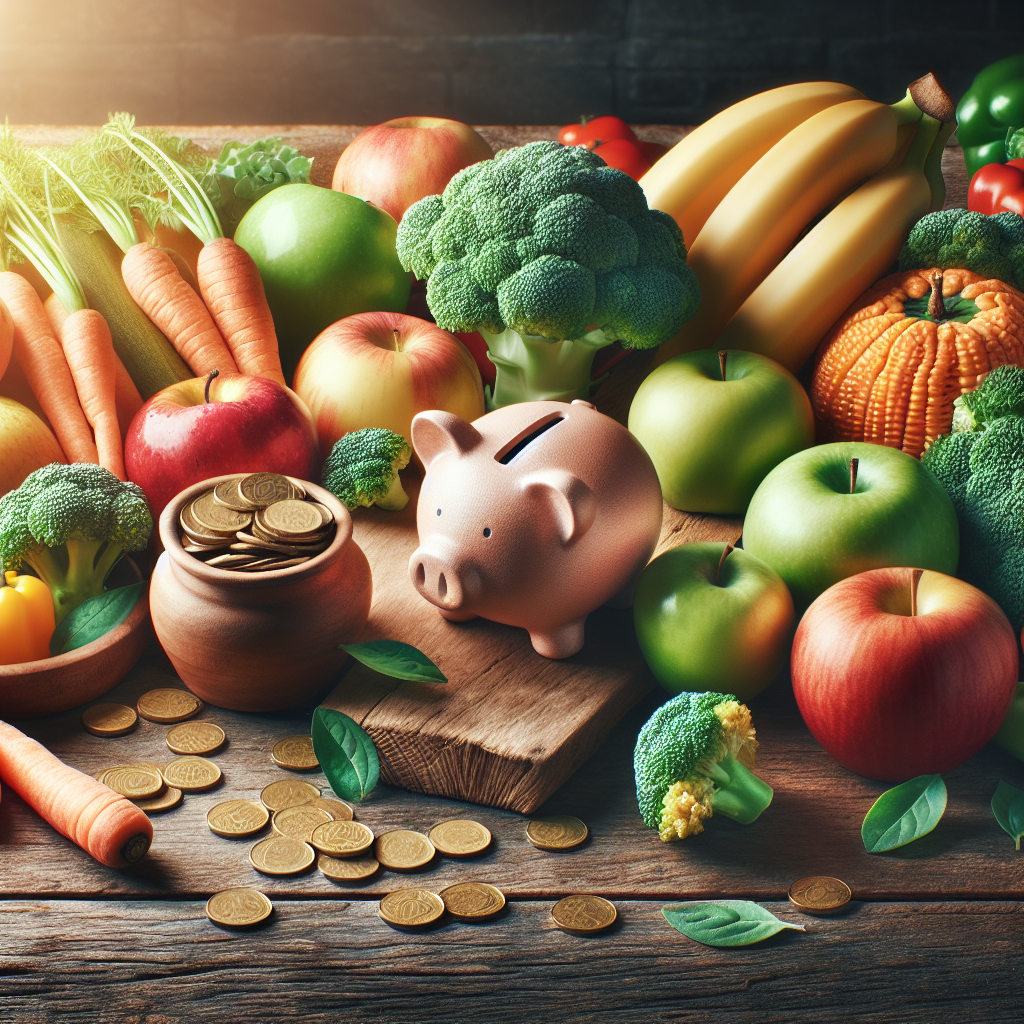
In today’s fast-paced world, maintaining a healthy diet can often seem like a costly endeavor. However, clean eating — a lifestyle focused on consuming whole, minimally processed foods — doesn’t have to break the bank. With strategic planning and smart shopping, it’s entirely possible to enjoy nutritious meals while sticking to a budget. This article will explore various tips and strategies for affordable clean eating, helping you nourish your body without straining your wallet.
Understanding Clean Eating
Clean eating is not a fad diet but a sustainable approach to eating that emphasizes the consumption of whole foods. The core principles include:
– **Choosing whole foods over processed foods:** This means opting for fresh fruits, vegetables, whole grains, lean proteins, and healthy fats.
– **Reading labels:** Understanding ingredients and avoiding those with artificial additives and preservatives.
– **Prioritizing home-cooked meals:** Cooking at home allows greater control over ingredients and portion sizes.
Setting a Budget
Before diving into clean eating, it’s crucial to establish a realistic food budget. Analyze your current spending on groceries and dining out. From here, allocate a specific amount for groceries, focusing on purchasing fresh and wholesome ingredients. This will serve as the foundation for your clean eating plan.
Shop Smart
Plan Your Meals
Meal planning is a powerful tool to prevent impulse buys and reduce food waste. Dedicate time each week to plan your meals, making a list of the ingredients you’ll need. This approach not only saves money but also minimizes stress during mealtimes.
Buy in Bulk
Purchasing items like grains, beans, nuts, and seeds in bulk can significantly reduce costs. These staples have a long shelf life and serve as the foundation for many clean-eating recipes. Visit local bulk stores where you can buy only the quantities you need.
Embrace Seasonal Produce
Fruits and vegetables that are in season are often cheaper and fresher than out-of-season or imported alternatives. Local farmers’ markets are excellent places to find affordable, high-quality produce. Additionally, consider purchasing frozen fruits and vegetables, which are often just as nutritious as fresh ones and can be a more cost-effective option.
Use Coupons and Discounts
Take advantage of coupons, loyalty programs, and discounts offered by grocery stores. Many stores have apps that allow you to download digital coupons directly to your phone, making it easier to save money on your purchases.
Cooking Efficiently
Batch Cooking
Prepare large quantities of food at once, and store them in portion-sized containers. This method saves both time and money and ensures that you always have a healthy meal ready to go. Dishes like soups, stews, and casseroles are perfect for batch cooking.
Utilize Leftovers
Transforming leftovers into new meals is an excellent way to reduce waste and stretch your food budget. For instance, roasted vegetables can be added to a salad, or last night’s chicken can become today’s sandwich filling.
Invest in a Slow Cooker or Instant Pot
These appliances are perfect for making nutritious meals with minimal effort. They allow for inexpensive cuts of meat to become tender and flavorful, and are ideal for preparing large batches of food.
Focus on Nutrient-Dense Foods
When eating on a budget, it’s important to choose foods that provide the most nutritional bang for your buck. Some affordable, nutrient-dense options include:
– **Beans and legumes:** Excellent sources of protein and fiber.
– **Whole grains:** Brown rice, quinoa, and oats are versatile and filling.
– **Eggs:** A cost-effective source of high-quality protein.
– **Frozen fruits and vegetables:** As mentioned, these are affordable and retain most of their nutritional value.
Grow Your Own Food
If you have space, consider growing your own herbs, vegetables, or even fruits. This can drastically cut costs and ensure a fresh supply of organic produce. Start small with herbs like basil and mint, which can be grown indoors on a windowsill.
Minimize Food Waste
Reducing food waste is another effective way to save money. Here are some tips:
– **Proper storage:** Store foods correctly to prolong their shelf life.
– **First in, first out:** Use older ingredients before newer ones.
– **Creative cooking:** Use scraps and peelings to make stocks or compost.
Conclusion
Clean eating on a budget is entirely achievable with a bit of planning and creativity. By focusing on whole, nutrient-dense foods, shopping smart, and minimizing waste, you can enjoy a healthy diet without overspending. Remember, the key to successful clean eating lies in consistency and making informed choices. By following these tips, you can nourish your body and wallet simultaneously, paving the way for a healthier lifestyle.
Adopting these strategies not only supports your personal health but also contributes to a more sustainable world by reducing food waste and supporting local farmers. Clean eating is a lifestyle change that benefits both individuals and communities, proving that eating well doesn’t have to come at a high cost.
“`










Add comment