
## Introduction
In today’s world, where the emphasis on maintaining a healthy lifestyle is stronger than ever, finding ways to stay satisfied on a low-calorie diet without compromising nutritional needs is a common challenge. Many people associate dieting with constant hunger and deprivation, but it doesn’t have to be that way. With the right strategies, you can enjoy a sense of fullness and satisfaction while managing your caloric intake effectively. This article explores various tips and techniques to help you achieve low-calorie fullness, ensuring that your journey to better health is both enjoyable and sustainable.
### Understanding Satiety
Satiety is the feeling of fullness and satisfaction that signals the body to stop eating. It is influenced by a variety of factors, including the volume, composition, and nutrient density of the foods consumed. To achieve low-calorie fullness, it is essential to understand how different foods and nutrients impact satiety.
#### The Role of Macronutrients
Macronutrients—carbohydrates, proteins, and fats—play a significant role in influencing satiety. While each macronutrient affects fullness differently, protein is typically the most satiating. Studies have shown that high-protein diets can lead to increased feelings of fullness, reduced hunger, and lower overall caloric intake. Fats, while energy-dense, have a moderate impact on satiety, whereas carbohydrates can vary widely depending on their type and source.
#### Fiber: The Unsung Hero
Dietary fiber is a key component of a satiating diet. Found in fruits, vegetables, whole grains, and legumes, fiber adds bulk to meals without adding significant calories. It slows down digestion, promoting a gradual release of energy and helping to maintain stable blood sugar levels. High-fiber diets have been associated with increased feelings of fullness and reduced hunger, making them a valuable tool for those seeking low-calorie fullness.
### Tips for Low-Calorie Fullness
#### Prioritize Protein
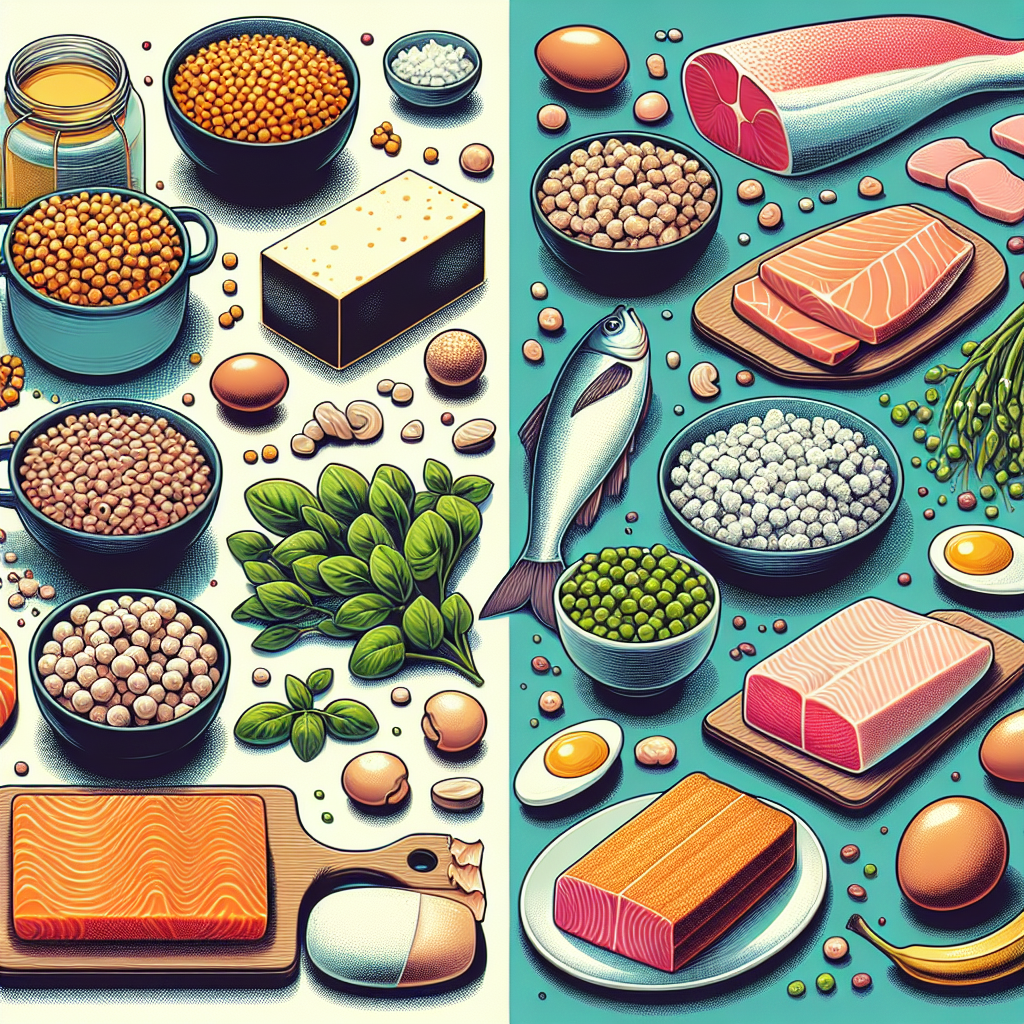
Incorporating high-quality protein sources into your meals can significantly enhance satiety. Consider lean meats, poultry, fish, eggs, and plant-based proteins such as beans, lentils, and tofu. Protein not only helps keep hunger at bay but also supports muscle maintenance and overall metabolic health.
#### Embrace Fiber-Rich Foods
To maximize fullness, focus on consuming fiber-rich foods. Start your day with whole-grain cereals or oatmeal, incorporate plenty of fruits and vegetables into your meals, and add legumes to soups and stews. These foods increase meal volume, delay gastric emptying, and promote a lasting feeling of fullness.
#### Stay Hydrated
Thirst is often mistaken for hunger, leading to unnecessary caloric intake. Drinking adequate amounts of water throughout the day can help maintain proper hydration levels and prevent overeating. Additionally, consuming water-rich foods such as soups, stews, and salads can further enhance fullness.
#### Choose Low-Energy-Density Foods
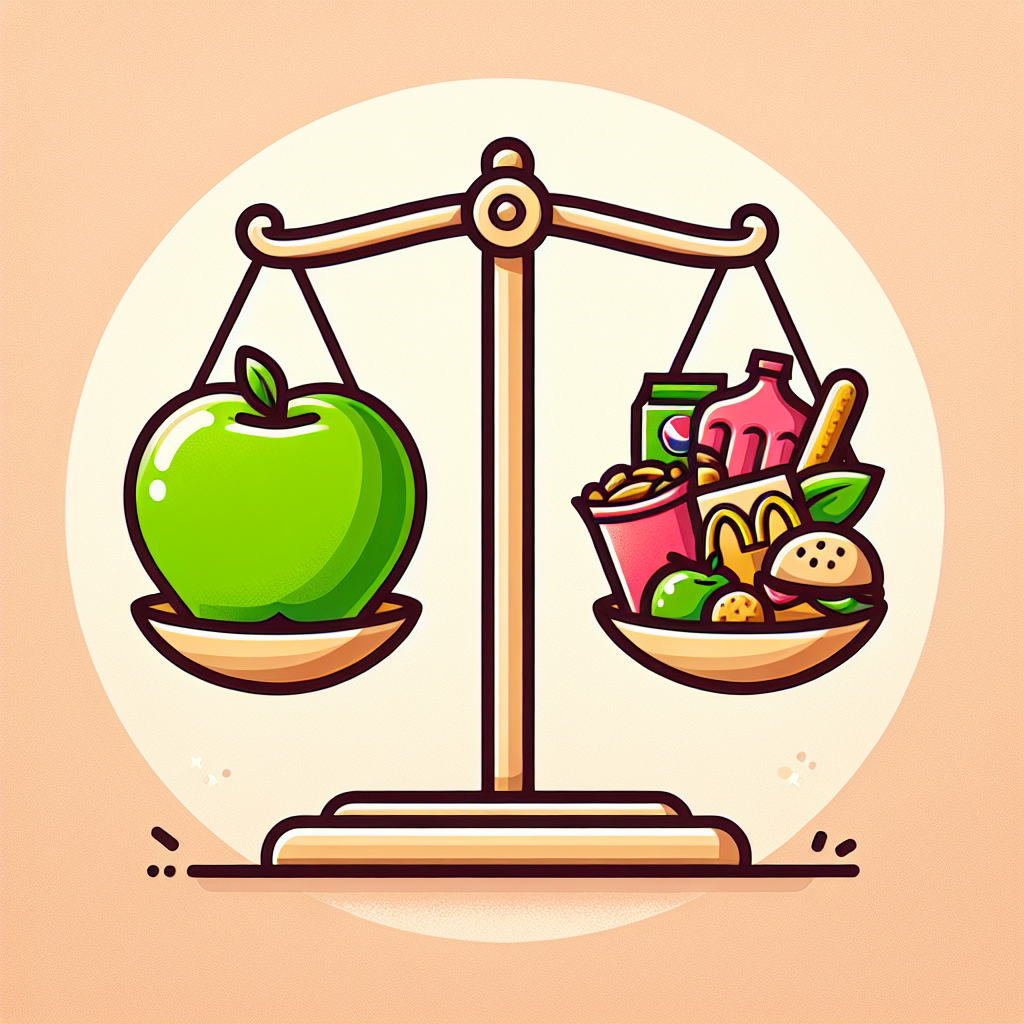
Low-energy-density foods provide fewer calories per gram, allowing you to consume larger portions without exceeding your caloric goals. Fruits, vegetables, and broths are excellent examples. By filling up on these foods, you can enjoy satisfying meals that are low in calories yet high in volume.
#### Mindful Eating Practices
Practicing mindful eating can enhance your awareness of hunger and fullness cues, preventing overeating. Take time to savor each bite, eat slowly, and pay attention to the textures and flavors of your food. This approach not only promotes satisfaction but also helps you recognize when you are truly full.
### Smart Meal Planning
#### Balanced Breakfasts
Start your day with a balanced breakfast that includes protein and fiber. A nutritious option could be a vegetable omelet with whole-grain toast or a smoothie made with Greek yogurt, spinach, and berries. This combination will help keep hunger at bay until lunchtime.
#### Satisfying Lunches
For lunch, opt for salads packed with a variety of colorful vegetables, lean protein, and a healthy fat source like avocado or nuts. Adding a whole grain such as quinoa or brown rice will provide sustained energy throughout the afternoon.
#### Hearty Dinners
For dinner, focus on incorporating a lean protein source with plenty of vegetables. A grilled chicken breast with roasted vegetables and a side of quinoa is a filling and nutritious choice. Alternatively, try a stir-fry with tofu, broccoli, and bell peppers in a light soy sauce.
#### Healthy Snacks
When snacking, choose options that combine protein and fiber. Greek yogurt with a sprinkle of granola, a small handful of nuts, or an apple with almond butter are all satisfying choices that can help bridge the gap between meals.
### The Importance of Regular Exercise
Regular physical activity can complement a low-calorie diet by enhancing satiety signals and improving mood and energy levels. Engaging in exercise increases the production of endorphins, which can have a positive effect on appetite regulation. Additionally, exercise helps preserve lean muscle mass, which is essential for maintaining a healthy metabolism during weight loss.
### Addressing Emotional Eating
Emotional eating can sabotage efforts to achieve low-calorie fullness. Many people turn to food for comfort in response to stress, boredom, or other emotions. Recognizing emotional triggers and finding alternative coping mechanisms, such as engaging in a hobby, practicing relaxation techniques, or seeking support from friends and family, can help mitigate emotional eating.
### Conclusion
Achieving low-calorie fullness is not about depriving yourself but rather making mindful choices that nourish your body and satisfy your hunger. By prioritizing protein, fiber, and hydration, choosing low-energy-density foods, and practicing mindful eating, you can enjoy a sense of fullness without compromising your health goals. With thoughtful meal planning, regular exercise, and strategies to address emotional eating, you can create a sustainable diet that supports both your physical and emotional well-being. Embrace these tips for low-calorie fullness and enjoy the journey to a healthier, more satisfying lifestyle.










Add comment