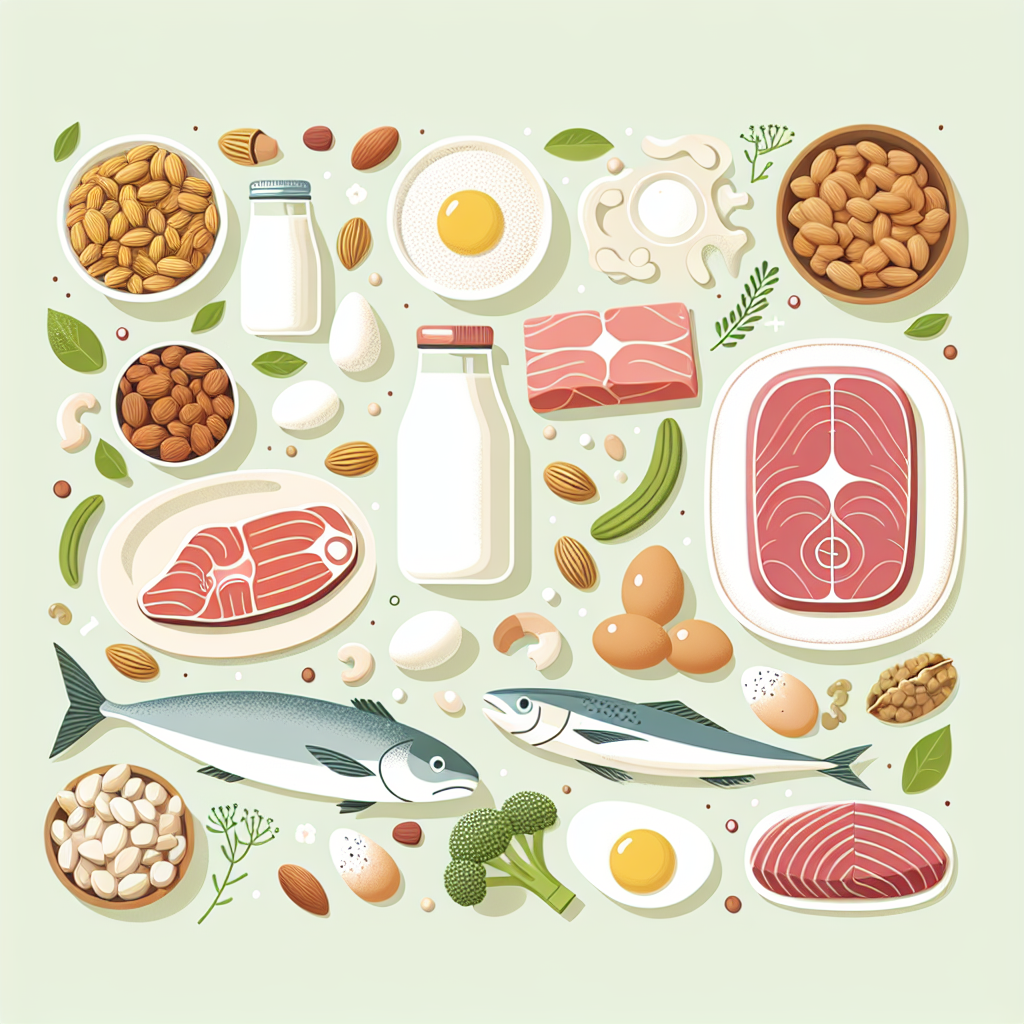
In the realm of nutrition, protein holds a pivotal role, especially for those pursuing a clean eating lifestyle. Protein is essential for muscle repair, immune function, and overall health, making it an indispensable part of a balanced diet. Clean eating emphasizes whole, minimally processed foods, steering clear of artificial additives and preservatives. This article explores the top protein sources that align with clean eating principles, ensuring that your diet is both nutritious and wholesome.
1. Lean Poultry
Chicken Breast
Chicken breast is a classic choice for those seeking a lean protein source. With high protein content and low fat, it is a versatile ingredient that can be grilled, baked, or sautéed. Opt for organic or free-range chicken to ensure minimal exposure to antibiotics and hormones.
Turkey
Turkey, particularly the breast portion, is a lean meat that offers a substantial amount of protein. It’s rich in vitamins and minerals such as B vitamins and selenium. Ground turkey can also serve as a healthier alternative to ground beef in various recipes.
2. Fish and Seafood
Salmon
Salmon is renowned for its high protein content and omega-3 fatty acids, which are beneficial for heart health. Wild-caught salmon is preferable to farmed salmon, as it generally contains fewer contaminants and is higher in nutrients.
Tuna
Tuna, whether fresh or canned, is an excellent protein source. It is a convenient option for quick meals, such as salads and sandwiches. Choose tuna packed in water rather than oil to reduce calorie intake.
Shrimp
Shrimp is a low-calorie, high-protein seafood option that is also rich in iodine and selenium. It’s versatile and can be included in salads, pastas, and stir-fries. Opt for sustainably sourced shrimp to support environmental conservation efforts.
3. Eggs
Eggs are a complete protein source, meaning they contain all nine essential amino acids. They are an affordable and versatile food that can be prepared in numerous ways, from boiling to scrambling. For a clean eating approach, select free-range or organic eggs, which often have higher omega-3 content.
4. Legumes
Lentils
Lentils are a plant-based protein powerhouse, offering fiber, iron, and folate alongside protein. They are affordable and can be used in soups, stews, and salads. Their high fiber content also promotes gut health and satiety.
Chickpeas
Chickpeas, or garbanzo beans, are rich in protein, fiber, and several key vitamins and minerals. They are incredibly versatile, serving as the base for hummus and as an addition to salads and stews. Roasted chickpeas also make for a nutritious snack.
5. Nuts and Seeds
Almonds
Almonds are a nutritious snack that provides healthy fats, protein, and vitamin E. They can be consumed raw or roasted, and almond butter is a delicious alternative to traditional peanut butter.
Chia Seeds
Chia seeds are not only high in protein but also rich in omega-3 fatty acids, fiber, and antioxidants. They can be added to smoothies, yogurt, or used to make chia pudding for a nutrient-dense breakfast or snack.
6. Dairy and Dairy Alternatives
Greek Yogurt
Greek yogurt is a protein-rich dairy option that also provides probiotics, which are beneficial for gut health. Choose plain, unsweetened varieties to avoid added sugars and artificial flavors.
Cottage Cheese
Cottage cheese is another high-protein dairy product, often favored for its low-fat content. It can be eaten on its own, with fruit, or used in recipes to add creaminess and protein.
Plant-Based Milks
For those avoiding dairy, there are several plant-based milk options that offer protein, such as soy milk and pea milk. These can be used in place of traditional milk in beverages and cooking.
7. Tofu and Tempeh
Tofu
Tofu is a versatile soy-based protein that can be used in a variety of dishes, from stir-fries to smoothies. It is low in calories and can absorb the flavors of the ingredients it is cooked with, making it a popular choice for vegetarians and vegans.
Tempeh
Tempeh is a fermented soy product with a firm texture and a nutty flavor. It is higher in protein and fiber than tofu and offers probiotics due to the fermentation process. Tempeh can be sliced, crumbled, or marinated and used in diverse culinary applications.
Conclusion
Incorporating these top protein sources into your clean eating routine can help you maintain a balanced diet while supporting your health and wellness goals. Whether you prefer animal-based proteins, plant-based options, or a combination of both, there are numerous nutritious and delicious choices available. Remember, clean eating is not just about choosing the right foods; it’s also about enjoying them in their most natural and unprocessed forms. By doing so, you can nourish your body effectively and sustainably.








Add comment