
Introduction to the Ketogenic Diet
The ketogenic diet, often referred to as “keto,” is a low-carbohydrate, high-fat diet that has gained immense popularity for its potential benefits in weight loss, mental clarity, and overall health. By drastically reducing carbohydrate intake and replacing it with fat, the body enters a state known as ketosis. In this metabolic state, the body becomes incredibly efficient at burning fat for energy, and it turns fat into ketones in the liver, which can supply energy for the brain.
While the ketogenic diet has proven benefits, one of the challenges many people face is tracking their macronutrient intake to ensure they remain in ketosis. The key to success on the keto diet is maintaining the right balance of macronutrients: carbohydrates, proteins, and fats. In this article, we’ll explore how to master keto by simplifying macro tracking today.
Understanding Macronutrients on the Keto Diet
Macronutrients, or “macros,” are the nutrients your body needs in large amounts to function optimally. They include carbohydrates, proteins, and fats. On a traditional diet, carbohydrates are the primary source of energy. However, the keto diet flips this concept by minimizing carbohydrate intake and encouraging the consumption of fats.
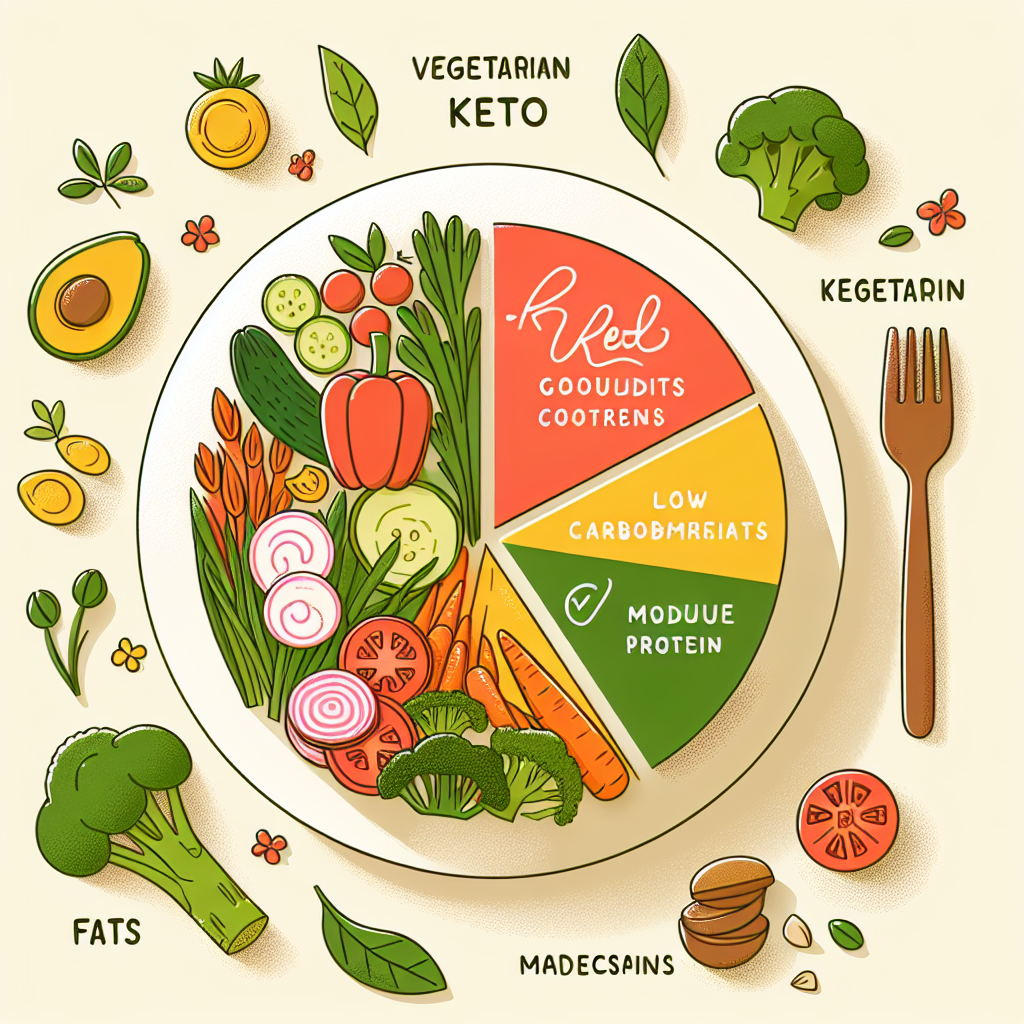
**Carbohydrates:** On the keto diet, carbohydrates are typically limited to just 5-10% of your total daily caloric intake. This restriction is essential to reach and maintain ketosis. For most people, this means consuming less than 50 grams of carbohydrates per day, and sometimes even as low as 20 grams.
**Proteins:** Protein consumption is moderate on the keto diet, usually making up about 20-25% of your daily caloric intake. It’s important not to overconsume protein, as excess protein can be converted into glucose through a process called gluconeogenesis, potentially kicking you out of ketosis.
**Fats:** Fats are the cornerstone of the keto diet, comprising approximately 70-75% of your daily caloric intake. Healthy fats provide the energy your body needs when carbohydrates are scarce and help maintain the state of ketosis.
The Importance of Macro Tracking
Accurate macro tracking is crucial for success on the keto diet. By monitoring your intake of carbohydrates, proteins, and fats, you can ensure that your body remains in ketosis and that you’re meeting your nutritional goals. Here are some reasons why macro tracking is essential:
**Achieving Ketosis:** Consuming too many carbohydrates can prevent you from entering or maintaining ketosis. Tracking your carb intake helps you stay on target and avoid hidden carbs in foods.
**Balancing Nutrients:** Proper macro tracking ensures that you’re getting the right balance of nutrients. This balance is essential for preventing nutrient deficiencies and promoting overall health.
**Adjusting for Results:** By tracking your macros, you can make necessary adjustments to your diet to meet your health and fitness goals, whether that’s weight loss, muscle gain, or improved energy levels.
Tools and Techniques for Simplified Macro Tracking
Tracking macros can seem daunting, especially for beginners. However, with the right tools and techniques, it can become a simple and manageable part of your daily routine.
**Digital Apps:** There are numerous apps available that make macro tracking easy. Apps like MyFitnessPal, Cronometer, and Carb Manager allow you to log your meals and automatically calculate your macro intake. These apps often have large food databases and barcode scanners to streamline the tracking process.
**Food Scales:** A reliable food scale is an invaluable tool for accurate macro tracking. Weighing your food ensures that you’re counting the correct portion sizes, which is crucial for maintaining precise macro ratios.
**Meal Planning:** Planning your meals in advance can simplify macro tracking. By preparing your meals with specific macros in mind, you can ensure that you’re staying within your daily targets without constantly calculating your intake.
**Keto Calculators:** Online keto calculators can help you determine your ideal macro ratios based on your personal goals, weight, and activity level. These calculators provide a customized plan to follow, making tracking more straightforward.
Overcoming Common Challenges in Macro Tracking
While macro tracking is essential for keto success, it can come with its own set of challenges. Here are some common obstacles and how to overcome them:
**Hidden Carbs:** Many processed foods contain hidden carbohydrates. To avoid this pitfall, focus on whole, unprocessed foods and read nutrition labels carefully.
**Eating Out:** Dining out can make macro tracking difficult, as you have less control over ingredients and portion sizes. When eating out, choose keto-friendly options like grilled meats and salads, and don’t hesitate to ask for modifications to fit your macros.
**Social Situations:** Social events often revolve around high-carb foods. Prepare by eating a keto meal beforehand or bringing a keto-friendly dish to share.
**Plateauing:** If you hit a weight loss plateau, reassess your macro ratios and consider adjusting your caloric intake. Sometimes, small tweaks can reignite your progress.
Benefits of Simplified Macro Tracking
By streamlining the process of macro tracking, you’ll be able to enjoy several benefits:
**Enhanced Focus:** With a simplified tracking system, you can focus more on enjoying your meals and less on counting every gram of food.
**Improved Compliance:** Simplifying the tracking process increases the likelihood of sticking to your keto diet long-term.
**Better Results:** Accurate tracking leads to better results, whether you’re aiming to lose weight, gain muscle, or improve your overall health.
Conclusion: Mastering Keto with Simplified Macro Tracking
The ketogenic diet offers numerous benefits for those looking to optimize their health and wellness. However, mastering the diet requires careful attention to macronutrient intake. By simplifying macro tracking with the right tools, techniques, and strategies, you can maintain ketosis, achieve your health goals, and make the keto lifestyle more sustainable.
Remember, consistency is key. While it may take some time to become proficient at tracking macros, the effort is well worth the rewards. Embrace the process, stay committed, and you’ll find that mastering keto can lead to a healthier, more vibrant life.












Add comment