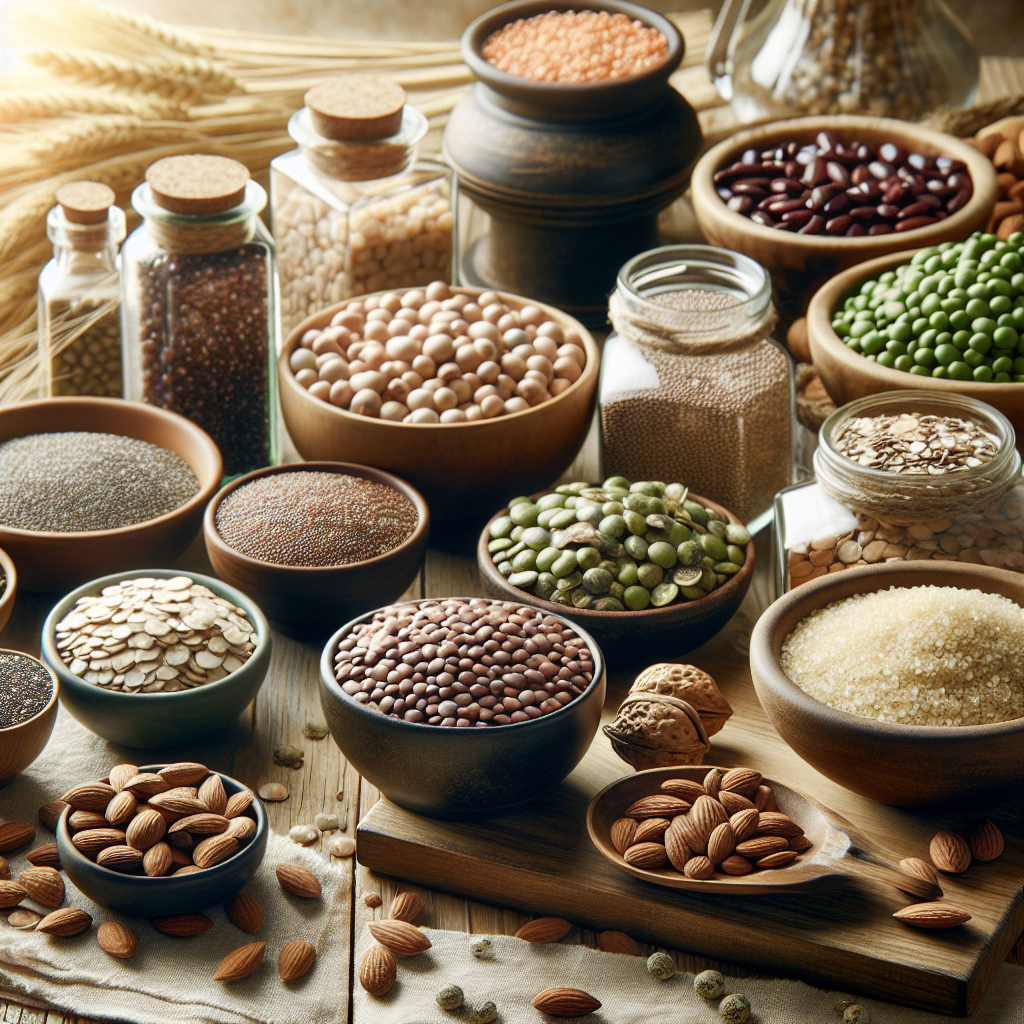
Introduction
In recent years, plant-based diets have gained significant popularity due to their numerous health benefits and environmental sustainability. As more individuals shift towards plant-based eating, understanding how to obtain adequate protein from non-animal sources becomes crucial. Protein is an essential nutrient that plays a vital role in building and repairing tissues, producing enzymes and hormones, and maintaining overall health. This article explores the top plant-based proteins that can help you achieve optimal health while adhering to a plant-based diet.
The Importance of Protein
Protein is one of the three macronutrients, alongside carbohydrates and fats, that are essential for human health. It is composed of amino acids, which are the building blocks of the body. There are 20 different amino acids, nine of which are considered essential because the body cannot produce them on its own. Therefore, they must be obtained through diet. Protein is involved in various bodily functions, including:
- Building and repairing tissues
- Producing enzymes and hormones
- Supporting immune function
- Maintaining fluid balance
- Providing energy
Challenges of Obtaining Protein on a Plant-Based Diet
While plant-based diets offer numerous health benefits, including a reduced risk of chronic diseases and improved weight management, obtaining adequate protein can be challenging. Unlike animal products, many plant-based foods do not contain all essential amino acids in sufficient quantities. However, by consuming a variety of plant-based proteins, it is possible to meet your protein needs and enjoy the health benefits of a plant-based diet.
Top Plant-Based Proteins
1. Legumes
Legumes, such as beans, lentils, and chickpeas, are excellent sources of plant-based protein. They are rich in fiber, iron, and other essential nutrients. Legumes are versatile and can be incorporated into a wide range of dishes, from soups and stews to salads and dips. Here are some popular legumes and their protein content:
- Black beans: 8 grams of protein per 1/2 cup (cooked)
- Lentils: 9 grams of protein per 1/2 cup (cooked)
- Chickpeas: 7 grams of protein per 1/2 cup (cooked)
2. Quinoa
Quinoa is a unique grain-like seed that is considered a complete protein, meaning it contains all nine essential amino acids. It is also rich in fiber, magnesium, and antioxidants. Quinoa is gluten-free and can be used as a base for salads, as a side dish, or in breakfast bowls. One cup of cooked quinoa provides approximately 8 grams of protein.
3. Tofu and Tempeh
Tofu and tempeh are soy-based products that are widely used in plant-based diets due to their high protein content and versatility. Tofu, also known as bean curd, is made by coagulating soy milk and pressing the curds into blocks. Tempeh is made from fermented soybeans and has a firmer texture and nutty flavor. Both tofu and tempeh can be grilled, sautéed, or added to soups and stir-fries. Protein content includes:
- Firm tofu: 10 grams of protein per 1/2 cup
- Tempeh: 15 grams of protein per 1/2 cup
4. Edamame
Edamame are young, green soybeans that are high in protein, fiber, and essential nutrients such as folate and vitamin K. They are typically steamed or boiled and can be enjoyed as a snack or added to salads and stir-fries. One cup of cooked edamame provides approximately 17 grams of protein.
5. Nuts and Seeds
Nuts and seeds are nutrient-dense foods that provide healthy fats, protein, and a variety of vitamins and minerals. They are excellent for snacking or as additions to meals and can be used to make nut butters and plant-based milks. Some high-protein nuts and seeds include:
- Almonds: 6 grams of protein per 1/4 cup
- Chia seeds: 5 grams of protein per 2 tablespoons
- Pumpkin seeds: 7 grams of protein per 1/4 cup
6. Seitan
Seitan, also known as wheat meat or wheat gluten, is a popular meat substitute made from gluten, the protein in wheat. It has a chewy texture and can be seasoned and cooked in various ways. Seitan is a complete protein, providing all essential amino acids, and is rich in protein, with approximately 25 grams per 3.5 ounces (100 grams).
7. Spirulina
Spirulina is a blue-green algae that is considered a superfood due to its high nutrient content. It is an excellent source of protein, vitamins, minerals, and antioxidants. Spirulina can be added to smoothies, juices, or sprinkled on salads. One tablespoon of spirulina provides about 4 grams of protein.
8. Whole Grains
Whole grains, such as brown rice, oats, and barley, are not only rich in carbohydrates and fiber but also provide a moderate amount of protein. They are versatile and can be used in various dishes, from breakfast cereals to main courses. Some whole grains and their protein content include:
- Brown rice: 5 grams of protein per cup (cooked)
- Oats: 6 grams of protein per 1/2 cup (cooked)
- Barley: 3.5 grams of protein per 1/2 cup (cooked)
Combining Plant-Based Proteins
While some plant-based proteins are complete proteins, others may lack one or more essential amino acids. To ensure you are getting all the essential amino acids your body needs, it is important to consume a variety of plant-based protein sources throughout the day. This can be achieved by combining different foods, such as:
- Beans and rice
- Peanut butter and whole-grain bread
- Hummus and pita bread
By incorporating a diverse range of plant-based proteins into your diet, you can ensure you are meeting your protein needs and supporting your overall health.
Conclusion
Adopting a plant-based diet does not mean sacrificing protein intake. With a wide array of plant-based protein sources available, it is possible to meet your protein needs and support optimal health. By including a variety of legumes, grains, nuts, seeds, and soy-based products in your diet, you can enjoy the benefits of plant-based eating while ensuring your body receives the essential nutrients it needs. Whether you are a seasoned plant-based eater or just starting on your journey, these top plant-based proteins can help you thrive and maintain a healthy, balanced diet.









Add comment