
Introduction
In recent years, there has been a significant shift towards plant-based diets due to their numerous health benefits, ethical considerations, and environmental sustainability. A common concern among those transitioning to vegetarianism is obtaining adequate protein, which is essential for muscle development, tissue repair, and overall health. Contrary to popular belief, a well-planned vegetarian diet can provide all the necessary nutrients, including protein. This article unveils the top vegetarian protein sources, ensuring you can meet your dietary protein needs without animal products.
Legumes: The Powerhouses of Protein
Lentils
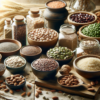
Lentils are a staple in many vegetarian diets and for good reason. They are versatile, easy to cook, and packed with protein. A single cup of cooked lentils provides approximately 18 grams of protein. Moreover, they are an excellent source of dietary fiber, iron, and folate. Lentils can be added to salads, soups, and stews, making them a convenient and nutritious choice for any meal.
Chickpeas
Also known as garbanzo beans, chickpeas are another excellent source of vegetarian protein. One cup of cooked chickpeas contains around 15 grams of protein. They are also rich in fiber, iron, and phosphorus. Chickpeas can be used to make hummus, added to salads, or roasted for a crunchy snack, providing both nutrition and flavor.
Black Beans
Black beans are a popular choice among vegetarians due to their high protein content and versatility. A cup of cooked black beans delivers approximately 15 grams of protein. They are also a great source of antioxidants, fiber, and essential minerals. Black beans can be used in various dishes, from tacos to soups, offering a hearty and satisfying meal.
Nuts and Seeds: Nutrient-Dense Protein Sources
Almonds
Almonds are not only a delicious snack but also a good source of protein. About ¼ cup of almonds provides 7 grams of protein. They are also high in healthy fats, vitamin E, and magnesium. Almonds can be eaten raw, roasted, or used as almond butter for a protein-rich addition to smoothies or spreads.
Chia Seeds
These tiny seeds pack a powerful nutritional punch. Just two tablespoons of chia seeds contain 4 grams of protein. They are also an excellent source of omega-3 fatty acids, fiber, and calcium. Chia seeds can be added to smoothies, yogurt, or used to make chia pudding, offering a nutritious and filling option.
Pumpkin Seeds
Pumpkin seeds, or pepitas, are a fantastic source of protein and essential nutrients. A quarter cup of pumpkin seeds provides around 9 grams of protein. They are also rich in zinc, magnesium, and healthy fats. Pumpkin seeds can be eaten on their own as a snack or added to salads and granola for an extra protein boost.
Dairy and Dairy Alternatives: Delicious Protein Options
Greek Yogurt
Greek yogurt is a protein-rich dairy option that is thicker and creamier than regular yogurt. A typical serving (about 6 ounces) contains 15-20 grams of protein. It is also a good source of probiotics, calcium, and vitamin B12. Greek yogurt can be enjoyed on its own, with fruits, or as a base for smoothies and desserts.
Cottage Cheese
Cottage cheese is another high-protein dairy product, with one cup providing approximately 27 grams of protein. It is also rich in calcium and phosphorus. Cottage cheese can be eaten plain, with fruits, or used in savory dishes like lasagna and casseroles.
Tofu
Tofu, also known as bean curd, is a versatile dairy alternative made from soybeans. Depending on the firmness, a half-cup serving of tofu can provide between 10-15 grams of protein. Tofu is also a good source of iron, calcium, and essential amino acids. It can be used in a variety of dishes, from stir-fries to desserts, making it an essential ingredient in vegetarian cooking.
Whole Grains: A Balanced Protein Source
Quinoa
Quinoa is often referred to as a superfood due to its impressive nutritional profile. It is one of the few plant-based foods that provide a complete protein, meaning it contains all nine essential amino acids. A cup of cooked quinoa offers about 8 grams of protein. It is also high in fiber, magnesium, and antioxidants. Quinoa can be used as a base for salads, bowls, or as a side dish, offering a nutritious and satisfying meal.
Amaranth
Amaranth is an ancient grain that is gaining popularity in vegetarian diets. It is a complete protein source, with a cup of cooked amaranth providing around 9 grams of protein. Amaranth is also rich in iron, calcium, and magnesium. It can be used in porridge, soups, or as a gluten-free alternative in baking.
Vegetables: Surprising Sources of Protein
Spinach
Spinach is not only rich in vitamins and minerals but also contains a decent amount of protein. A cup of cooked spinach provides about 5 grams of protein. It is also high in iron, calcium, and antioxidants. Spinach can be added to smoothies, salads, and cooked dishes, offering a nutrient-dense addition to your meals.
Broccoli
Broccoli is another vegetable that boasts a good amount of protein. A cup of cooked broccoli contains approximately 4 grams of protein. It is also an excellent source of vitamin C, vitamin K, and fiber. Broccoli can be steamed, roasted, or added to stir-fries, providing both flavor and nutrition.
Conclusion
Embracing a vegetarian diet does not mean sacrificing protein intake. With a wide array of plant-based protein sources available, meeting your protein needs is entirely achievable. From legumes and nuts to whole grains and vegetables, these foods offer not only protein but also a wealth of other nutrients essential for overall health. By incorporating a variety of these protein-rich foods into your diet, you can enjoy the benefits of a vegetarian lifestyle while maintaining optimal health and vitality.






Add comment