
Introduction
The vegan lifestyle has gained considerable popularity in recent years, with individuals opting for plant-based diets for health, ethical, and environmental reasons. Within the vegan community, two prominent dietary approaches have emerged: raw veganism and cooked veganism. This article delves into the distinctions between these two diets, examining their nutritional profiles, health benefits, and potential drawbacks. By comparing raw and cooked vegan diets, individuals can make informed choices that best suit their health and lifestyle needs.
The Raw Vegan Diet
What is a Raw Vegan Diet?
The raw vegan diet is a plant-based diet that emphasizes the consumption of uncooked and unprocessed foods. Advocates of this diet believe that heating foods above a certain temperature, typically 104-118°F (40-48°C), destroys essential enzymes and nutrients, thus diminishing their health benefits. Raw vegans consume a variety of foods, including fruits, vegetables, nuts, seeds, sprouted grains, and legumes, often in their natural, unaltered state.
Nutritional Profile of Raw Vegan Foods
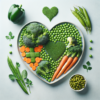
Raw vegan foods are rich in vitamins, minerals, antioxidants, and phytonutrients. Fruits and vegetables, consumed in their raw state, retain high levels of vitamin C, folate, and other water-soluble vitamins sensitive to heat. Additionally, raw foods are often high in fiber, promoting digestive health and aiding in weight management. The abundance of antioxidants in raw plant foods is believed to combat oxidative stress and inflammation.
Health Benefits of a Raw Vegan Diet
1. **Improved Nutrient Intake**: By prioritizing whole, unprocessed foods, raw vegans may experience increased nutrient intake, leading to better overall health.
2. **Weight Management**: The high fiber content and low energy density of raw vegan foods can facilitate weight loss and maintenance.
3. **Enhanced Digestion**: The natural enzymes present in raw foods may support digestion and improve gut health.
4. **Reduced Risk of Chronic Diseases**: A diet rich in raw plant foods has been associated with a lower risk of heart disease, diabetes, and certain cancers due to its high antioxidant content.
Potential Drawbacks of a Raw Vegan Diet
1. **Nutrient Deficiencies**: The exclusion of cooked foods can result in deficiencies in certain essential nutrients, such as vitamin B12, iron, calcium, and omega-3 fatty acids.
2. **Limited Food Variety**: The restriction of cooking methods may lead to a monotonous diet, potentially reducing adherence to the diet over time.
3. **Digestive Issues**: Some individuals may experience difficulty digesting large quantities of raw foods, leading to bloating and discomfort.
4. **Food Safety Concerns**: Consuming raw foods increases the risk of exposure to harmful bacteria and parasites.
The Cooked Vegan Diet
What is a Cooked Vegan Diet?
A cooked vegan diet encompasses a wide variety of plant-based foods prepared through various cooking methods, such as boiling, steaming, baking, and frying. This diet allows for greater culinary creativity and flexibility, making it easier for individuals to meet their nutritional needs while adhering to ethical and environmental principles.
Nutritional Profile of Cooked Vegan Foods
Cooking can enhance the bioavailability of certain nutrients in plant foods. For instance, the absorption of lycopene, found in tomatoes, increases when they are cooked. Similarly, cooking can reduce antinutrients like oxalates and phytates, which can inhibit the absorption of minerals such as calcium and iron. Cooked vegan foods can be fortified with additional nutrients, addressing potential deficiencies common in plant-based diets.
Health Benefits of a Cooked Vegan Diet
1. **Improved Nutrient Absorption**: Cooking can enhance the bioavailability of some nutrients, making them easier for the body to absorb.
2. **Variety and Palatability**: The wide range of cooking methods available allows for diverse and flavorful meals, increasing dietary adherence.
3. **Digestive Ease**: Cooking breaks down plant cell walls, making foods easier to digest and reducing the risk of gastrointestinal discomfort.
4. **Nutrient Fortification**: Cooked vegan foods can be fortified with essential nutrients like vitamin B12, iron, and calcium, addressing potential deficiencies.
Potential Drawbacks of a Cooked Vegan Diet
1. **Nutrient Loss**: Cooking can lead to the loss of certain heat-sensitive vitamins, such as vitamin C and some B vitamins.
2. **Overprocessing**: Relying on heavily processed vegan foods can diminish the nutritional quality of the diet and contribute to weight gain.
3. **Exposure to Harmful Compounds**: Cooking at high temperatures can produce harmful compounds, such as acrylamide, which may have adverse health effects.
Raw Vegan vs. Cooked Vegan: A Nutritional Comparison
Macronutrient Balance
– **Raw Vegan Diet**: Typically higher in carbohydrates due to the emphasis on fruits and vegetables, with moderate fat intake from nuts and seeds. Protein intake may be lower compared to cooked vegan diets.
– **Cooked Vegan Diet**: Offers a more balanced distribution of macronutrients, with greater flexibility to include plant-based protein sources such as legumes, tofu, and tempeh.
Micronutrient Availability
– **Raw Vegan Diet**: Rich in vitamin C, folate, and other heat-sensitive nutrients, but may lack adequate levels of vitamin B12, iron, and calcium.
– **Cooked Vegan Diet**: Enhanced bioavailability of certain nutrients like lycopene and beta-carotene, with opportunities for nutrient fortification.
Digestive Health
– **Raw Vegan Diet**: High fiber content supports digestive health but may cause discomfort in some individuals.
– **Cooked Vegan Diet**: Easier digestion due to the breakdown of plant cell walls, reducing the risk of bloating and gas.
Conclusion
Both raw vegan and cooked vegan diets offer unique nutritional benefits and challenges. The raw vegan diet emphasizes unprocessed, nutrient-rich foods, potentially leading to improved nutrient intake and weight management. However, it may pose risks of nutrient deficiencies and digestive discomfort. On the other hand, the cooked vegan diet allows for greater culinary variety and enhanced nutrient absorption but may result in nutrient loss and exposure to harmful compounds if not carefully managed.
Ultimately, the choice between raw and cooked vegan diets depends on individual preferences, health goals, and nutritional needs. A balanced approach that incorporates elements of both diets may offer the most comprehensive benefits, ensuring adequate nutrient intake while supporting overall health and well-being. As with any dietary change, it is advisable to consult with a healthcare professional or registered dietitian to ensure nutritional adequacy and address any specific health concerns.






Add comment