Introduction
The quest for optimal health and weight management has led many individuals to explore various dietary strategies. Among the most popular are the ketogenic diet and intermittent fasting. Individually, both have demonstrated significant benefits for weight loss, metabolic health, and overall well-being. However, when combined, they create a powerful synergy that may amplify these benefits. In this article, we will explore the science behind each approach, how they complement each other, and practical tips for integrating them into your lifestyle.
Understanding the Ketogenic Diet
The ketogenic diet, often referred to as the keto diet, is a high-fat, moderate-protein, and very low-carbohydrate eating plan. The primary goal is to shift the body’s primary fuel source from carbohydrates to fats, inducing a metabolic state known as ketosis. In ketosis, the body efficiently burns fat for energy, which can lead to significant weight loss and improved metabolic health.
The Science of Ketosis
Under normal dietary conditions, carbohydrates are the primary source of energy. However, when carbohydrate intake is significantly reduced, the body’s glycogen stores become depleted. In response, the liver begins to convert fatty acids into ketones, which serve as an alternative energy source for the brain and body. This metabolic shift not only aids in fat loss but also provides a steady energy supply, reducing hunger and enhancing mental clarity.
Benefits of the Ketogenic Diet
– **Weight Loss**: By promoting fat burning and reducing appetite, the keto diet can lead to significant weight loss.
– **Improved Blood Sugar Control**: By minimizing carbohydrate intake, the keto diet helps stabilize blood sugar levels and may improve insulin sensitivity.
– **Enhanced Mental Performance**: Ketones are a more efficient fuel for the brain, which can lead to improved focus and cognitive function.
– **Reduced Inflammation**: The anti-inflammatory effects of the keto diet may help reduce the risk of chronic diseases.
Introduction to Intermittent Fasting
Intermittent fasting (IF) is an eating pattern that cycles between periods of fasting and eating. Unlike traditional diets, IF focuses on when you eat rather than what you eat. The most common methods include the 16/8 method (16 hours fasting, 8 hours eating window), the 5:2 method (eating normally for five days a week and restricting calories on two days), and alternate-day fasting.
The Science Behind Intermittent Fasting
During fasting periods, the body undergoes several physiological changes. Insulin levels drop, facilitating fat burning, while levels of human growth hormone increase, promoting muscle gain and fat loss. Cellular repair processes are also triggered, leading to improved cellular function and longevity.
Benefits of Intermittent Fasting
– **Weight Loss and Fat Loss**: By reducing calorie intake and enhancing hormonal function, IF can aid in weight loss and fat reduction.
– **Improved Insulin Sensitivity**: IF can enhance insulin sensitivity, reducing the risk of type 2 diabetes.
– **Cellular Repair and Longevity**: Fasting triggers autophagy, a process of cellular repair that may slow aging and reduce the risk of diseases.
– **Simplified Eating**: IF can simplify your eating routine, reducing the need for meal planning and preparation.
The Synergy of Keto and Intermittent Fasting
Combining the ketogenic diet with intermittent fasting can create a potent synergy, enhancing the benefits of each approach. When done together, they can accelerate the body’s transition into ketosis and amplify fat burning. Here’s how they complement each other:
Accelerated Ketosis
Intermittent fasting can help deplete glycogen stores more quickly, facilitating the body’s transition into ketosis. This accelerated process means that individuals on a combined keto and IF plan may experience the benefits of ketosis sooner.
Enhanced Fat Burning
Both the keto diet and intermittent fasting enhance the body’s ability to burn fat as fuel. When combined, they can lead to more efficient fat loss and improved body composition.
Improved Mental Clarity and Focus
The ketogenic diet provides a steady supply of ketones, which are an efficient fuel for the brain. When combined with the cognitive benefits of fasting, individuals may experience enhanced mental clarity and focus.
Reduced Hunger and Cravings
The keto diet is known for its appetite-suppressing effects, and intermittent fasting can further reduce hunger by regulating hunger hormones like ghrelin. Together, they can make it easier to adhere to a reduced-calorie intake.
Implementing Keto and Intermittent Fasting
While the combination of keto and intermittent fasting can be powerful, it’s important to approach it strategically to maximize benefits and minimize potential challenges.
Starting Slowly
If you’re new to either approach, begin by gradually reducing carbohydrate intake and experimenting with fasting periods. Start with a 12-hour fasting window and gradually increase it as your body adapts.
Monitoring Your Body’s Response
Pay attention to how your body responds. Some individuals may experience fatigue or dizziness during the initial transition. Ensure you stay hydrated and consider increasing your intake of electrolytes, such as sodium, potassium, and magnesium.
Prioritizing Nutrient-Dense Foods
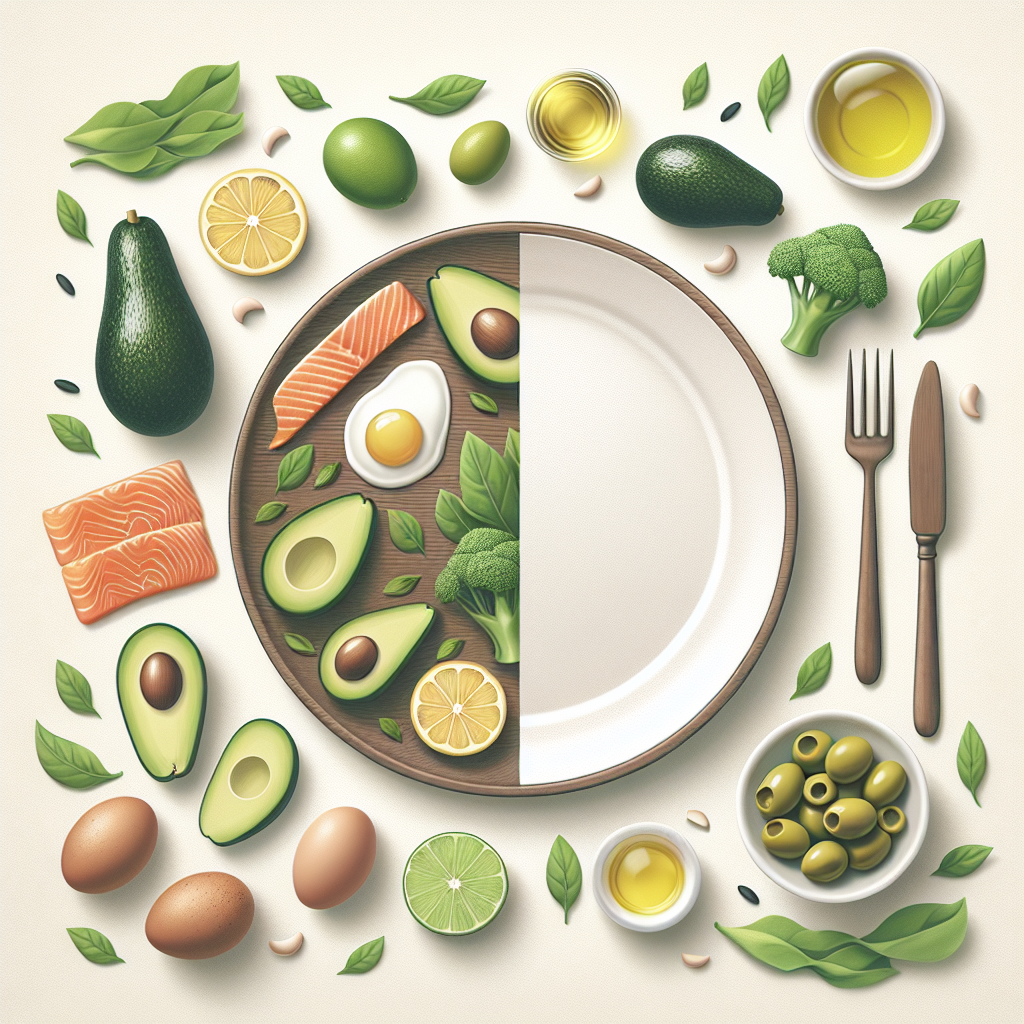
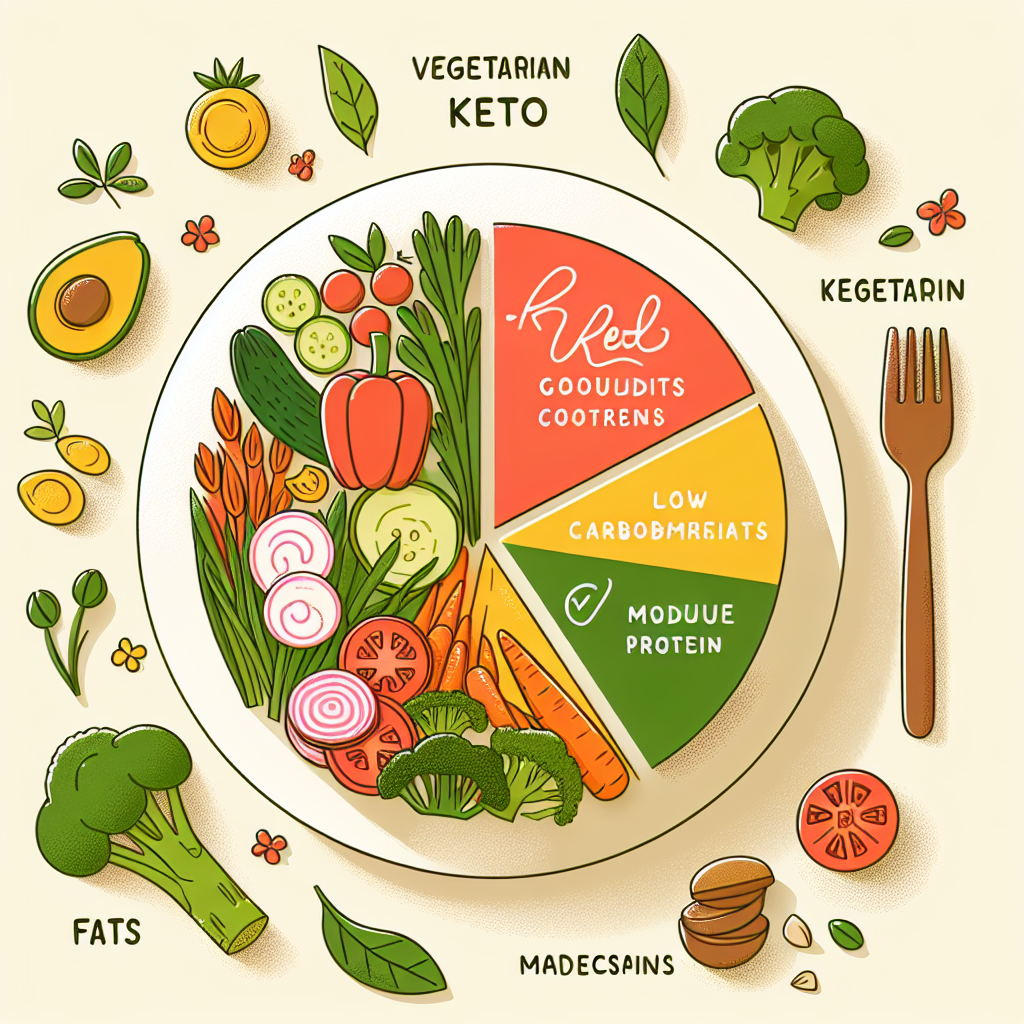
Focus on consuming whole, nutrient-dense foods to ensure you’re meeting your nutritional needs. Incorporate healthy fats like avocados, nuts, and olive oil, along with a variety of non-starchy vegetables and high-quality proteins.
Listening to Your Body
Everyone’s body is different, so it’s important to listen to your body’s signals. If you experience adverse effects or feel unwell, consider adjusting your approach or consulting a healthcare professional.
Potential Challenges and Considerations
While the combination of keto and intermittent fasting can offer numerous benefits, there are potential challenges to be aware of:
Keto Flu
Some individuals may experience flu-like symptoms, known as “keto flu,” when transitioning to a ketogenic diet. Staying hydrated and ensuring adequate electrolyte intake can help alleviate these symptoms.
Social and Lifestyle Considerations
Both keto and intermittent fasting can pose social challenges, particularly when dining out or attending social gatherings. Planning ahead and communicating your dietary preferences can help navigate these situations.
Individual Variability
Individual responses to diet and fasting can vary widely. It’s important to find an approach that aligns with your personal goals and lifestyle.
Conclusion
The combination of the ketogenic diet and intermittent fasting offers a powerful strategy for enhancing weight loss, metabolic health, and overall well-being. By understanding the science behind each approach and how they synergize, individuals can harness their full potential. As with any dietary change, it’s important to listen to your body, prioritize nutrient-dense foods, and consult with a healthcare professional if needed. With careful planning and commitment, the keto diet and intermittent fasting can become a sustainable and effective part of your health journey.












Add comment