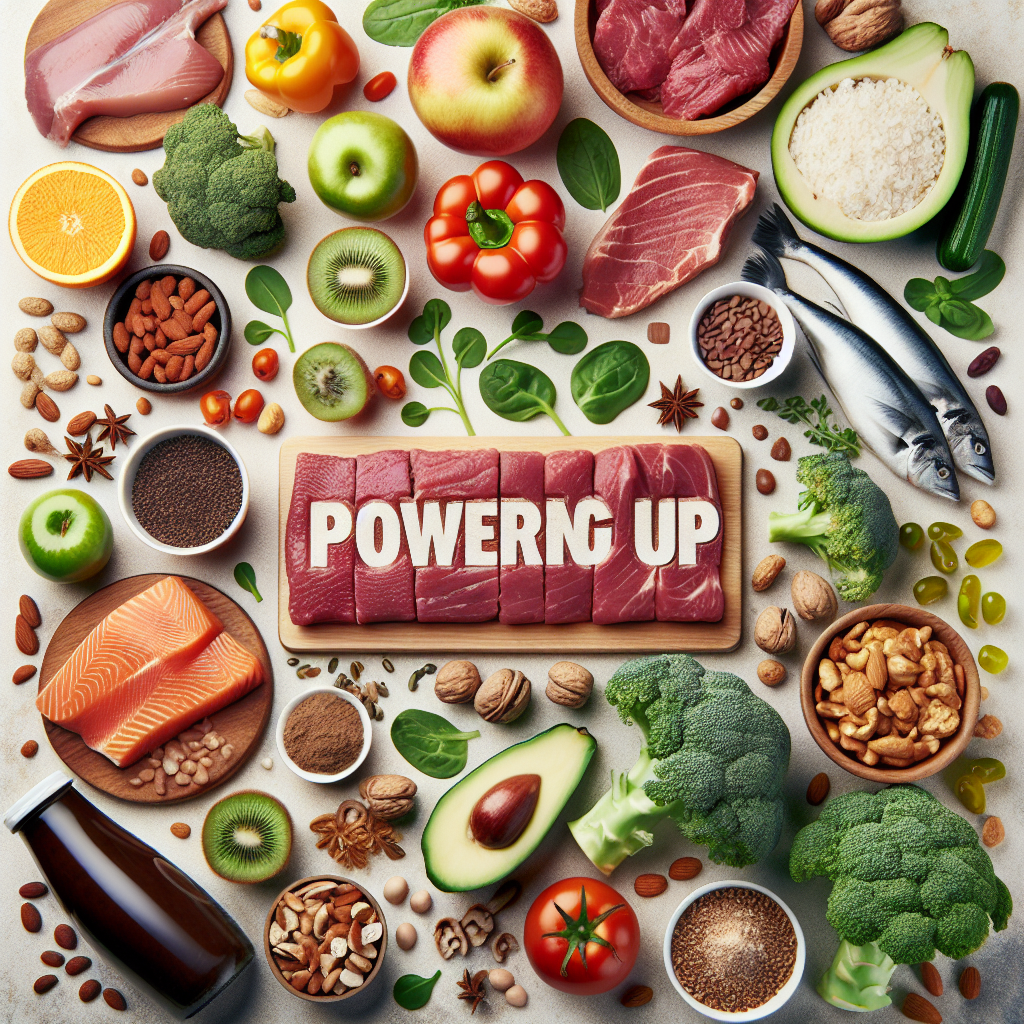
Introduction to the Paleo Diet
The Paleo diet, also known as the Paleolithic or Caveman diet, is a nutritional plan based on the presumed diet of our ancestors during the Paleolithic era. It emphasizes whole foods, lean proteins, fruits, vegetables, nuts, and seeds while avoiding processed foods, grains, legumes, and dairy. This diet is rooted in the idea that modern humans should eat like their ancestors to optimize health and well-being. But what happens when we infuse this ancient diet with a modern twist by focusing on high-protein options? The result is a powerful, nutrient-dense approach to eating that supports muscle growth, weight management, and overall vitality.
The Importance of Protein in the Paleo Diet
Protein is a crucial macronutrient that plays a vital role in building and repairing tissues, producing enzymes and hormones, and supporting immune function. For those following a Paleo diet, protein is especially important because it helps maintain muscle mass while promoting feelings of fullness and satisfaction. By emphasizing high-protein foods within the Paleo framework, individuals can enhance their diet’s benefits, including improved body composition, increased energy levels, and better metabolic health.
Benefits of a High-Protein Diet
Incorporating high-protein foods into your Paleo diet can offer numerous benefits:
- Muscle Growth and Repair: Protein is essential for muscle growth and repair, making it particularly important for athletes and active individuals. Consuming adequate protein helps maintain and build lean muscle mass.
- Weight Management: High-protein diets have been shown to increase satiety, reduce appetite, and boost metabolism, all of which can contribute to weight loss and weight maintenance.
- Improved Bone Health: Protein plays a role in maintaining bone density and strength, reducing the risk of osteoporosis and fractures.
- Enhanced Metabolic Health: A diet rich in protein can improve blood sugar control, reduce insulin resistance, and lower the risk of type 2 diabetes.
High-Protein Paleo Food Sources
A high-protein Paleo diet emphasizes quality protein sources that are nutrient-dense and align with the principles of the Paleo lifestyle. Here are some key protein-rich foods to include in your Paleo diet:
Lean Meats and Poultry
Lean meats and poultry are staples of the Paleo diet, providing high-quality protein and essential nutrients:
- Grass-Fed Beef: Rich in protein, healthy fats, and omega-3 fatty acids, grass-fed beef is a nutrient-dense option for Paleo enthusiasts.
- Free-Range Chicken: A versatile protein source, chicken is low in fat and high in essential amino acids.
- Turkey: Another lean poultry option, turkey is a great source of protein and can be used in various Paleo-friendly dishes.
- Bison: Bison meat is leaner than beef and contains higher levels of iron and vitamin B12, making it an excellent choice for Paleo dieters.
Seafood
Seafood is not only a fantastic source of protein but also provides heart-healthy omega-3 fatty acids:
- Wild-Caught Salmon: Packed with protein and omega-3s, salmon supports heart health and reduces inflammation.
- Tuna: A convenient and protein-rich option, tuna is ideal for quick Paleo meals and snacks.
- Shrimp: Low in calories and high in protein, shrimp is perfect for adding variety to your Paleo diet.
- Sardines: These small fish are rich in protein, omega-3s, and vital nutrients like calcium and vitamin D.
Eggs
Eggs are a Paleo powerhouse, offering a complete source of protein along with essential vitamins and minerals. They are incredibly versatile and can be included in various meals throughout the day. Opt for pasture-raised eggs to ensure the highest nutritional quality.
Nuts and Seeds
While nuts and seeds are not as protein-rich as meat or seafood, they still offer valuable protein content along with healthy fats and fiber:
- Almonds: A popular Paleo snack, almonds provide protein, healthy fats, and vitamin E.
- Chia Seeds: These tiny seeds are a complete protein source and are rich in fiber, omega-3s, and antioxidants.
- Pumpkin Seeds: Also known as pepitas, pumpkin seeds are high in protein, magnesium, and zinc.
- Hemp Seeds: With a nutty flavor, hemp seeds offer a complete protein source and are rich in omega-3 and omega-6 fatty acids.
Organ Meats
Organ meats, such as liver and heart, are often overlooked but are incredibly nutrient-dense and high in protein. They provide essential vitamins and minerals, including vitamin A, iron, and zinc, making them a valuable addition to a high-protein Paleo diet.
High-Protein Paleo Meal Ideas
Incorporating high-protein foods into your Paleo diet doesn’t have to be complicated. Here are some delicious meal ideas to help you power up with high-protein Paleo delights:
Breakfast
- Scrambled Eggs with Spinach and Mushrooms: Start your day with a protein-packed breakfast by scrambling pasture-raised eggs with fresh spinach and sautéed mushrooms.
- Smoked Salmon and Avocado Bowl: Combine wild-caught smoked salmon with avocado, cherry tomatoes, and a drizzle of olive oil for a nutritious and satisfying morning meal.
Lunch
- Grilled Chicken Salad: Top a bed of mixed greens with grilled free-range chicken breast, sliced almonds, and a lemon vinaigrette for a refreshing and protein-rich lunch.
- Bison Burger Lettuce Wraps: Enjoy a juicy bison burger wrapped in crisp lettuce leaves, topped with tomato, onion, and Paleo-friendly condiments.
Dinner
- Seared Tuna Steak with Asparagus: Sear a tuna steak to perfection and serve it alongside roasted asparagus for a simple yet elegant high-protein dinner.
- Beef Stir-Fry with Broccoli and Bell Peppers: Stir-fry grass-fed beef with fresh broccoli and bell peppers in coconut aminos for a flavorful and nutrient-packed meal.
Snacks
- Hard-Boiled Eggs: A convenient and protein-rich snack, hard-boiled eggs are perfect for on-the-go fuel.
- Trail Mix: Create a homemade trail mix with almonds, pumpkin seeds, and dried fruit for a satisfying and protein-packed snack.
Conclusion
Embracing a high-protein Paleo diet can transform your health and well-being by providing essential nutrients, supporting muscle growth, and promoting overall vitality. By focusing on quality protein sources such as lean meats, seafood, eggs, nuts, and seeds, you can enjoy a diverse and delicious array of meals that align with the principles of the Paleo lifestyle. Whether you’re an athlete, a busy professional, or someone seeking to improve their health, powering up with high-protein Paleo delights can be a game-changer in your journey toward optimal nutrition and wellness.











Add comment