Introduction
The ketogenic diet, often referred to as the keto diet, has gained immense popularity in recent years. Known for its potential to aid in weight loss and improve certain health conditions, the diet requires a drastic reduction in carbohydrate intake while increasing fat consumption. However, as with any dietary regimen, there are pitfalls that can undermine your efforts. This article explores common keto diet pitfalls and provides strategies to avoid them, ensuring you achieve your health and weight loss goals.
Understanding the Keto Diet
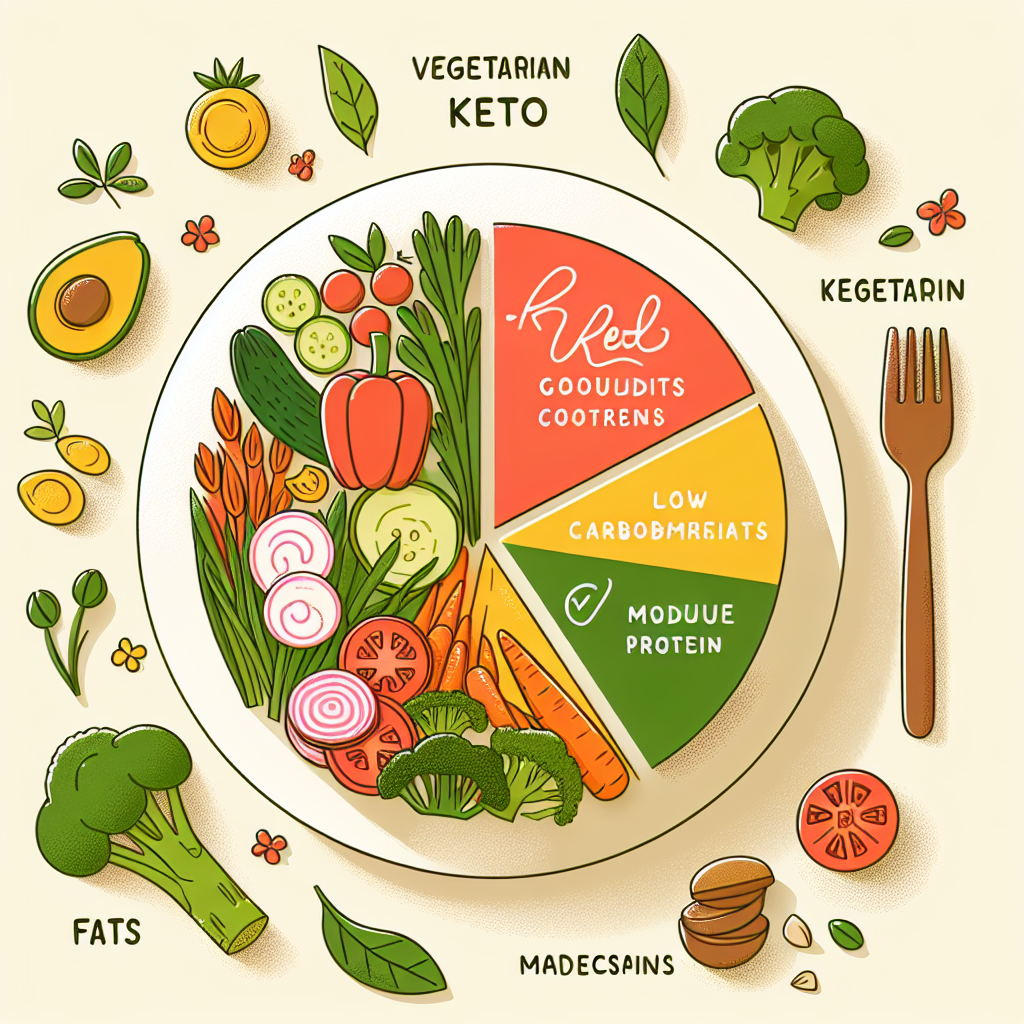
Before diving into the pitfalls, it’s essential to understand the basic principles of the keto diet. The diet is designed to shift your body into a state of ketosis, where it burns fat for fuel instead of carbohydrates. This metabolic state is achieved by consuming a high-fat, moderate-protein, and very low-carbohydrate diet. Typical macronutrient ratios are approximately 70-80% fat, 10-20% protein, and 5-10% carbohydrates.
Common Pitfalls on the Keto Diet
1. Not Eating Enough Fat
One of the most common misunderstandings about the keto diet is not consuming enough fat. Many people are still wary of eating high-fat foods due to longstanding dietary guidelines. However, for the keto diet to be effective, dietary fat must replace the calories previously derived from carbohydrates. Insufficient fat intake can lead to feelings of hunger, low energy levels, and ultimately, difficulty staying in ketosis.
Solution: Focus on incorporating healthy fats such as avocados, nuts, seeds, olive oil, and fatty fish into your meals. Ensure that fats make up the majority of your caloric intake to maintain energy levels and promote ketosis.
2. Overconsumption of Protein
While protein is an essential macronutrient, consuming too much can hinder your progress on the keto diet. Excessive protein intake can lead to gluconeogenesis, a process where the body converts protein into glucose, thus potentially knocking you out of ketosis.
Solution: Monitor your protein intake to ensure it remains at a moderate level. Aim for a balance that supports muscle maintenance without excessive protein that could disrupt ketosis.
3. Neglecting Electrolytes
When you reduce carbohydrate intake, your body sheds water and electrolytes at a faster rate, which can lead to imbalances. This often results in symptoms known as the “keto flu,” including headaches, fatigue, and muscle cramps.
Solution: Pay attention to your electrolyte intake by consuming foods rich in sodium, potassium, and magnesium. Consider adding supplements if necessary and stay hydrated to help mitigate these symptoms.
4. Ignoring Fiber Intake
The focus on high-fat, low-carb foods can sometimes result in inadequate fiber intake, leading to digestive issues such as constipation. Fiber is crucial for digestive health and overall well-being.
Solution: Incorporate non-starchy vegetables like leafy greens, broccoli, and cauliflower, which are high in fiber and low in carbs. These will help maintain digestive health without affecting ketosis.
5. Overlooking Hidden Carbs
Many foods contain hidden carbohydrates that can add up quickly, especially in processed foods and condiments. These hidden carbs can prevent you from reaching or maintaining ketosis.
Solution: Read food labels carefully and be mindful of serving sizes. Opt for whole, unprocessed foods whenever possible to have better control over your carbohydrate intake.
6. Failing to Plan Meals
The keto diet requires careful meal planning to ensure nutritional balance and adherence to macronutrient goals. Without a plan, it’s easy to fall back on high-carb convenience foods.
Solution: Spend time each week planning your meals and snacks. Preparing meals in advance can help you stay on track and make healthier choices.
7. Expecting Immediate Results
The keto diet is not a quick fix; it requires time and consistency to see results. Some individuals may experience rapid initial weight loss, predominantly water weight, but sustainable fat loss takes longer.
Solution: Set realistic expectations and focus on long-term health goals rather than immediate weight loss. Track your progress over time and celebrate non-scale victories.
8. Not Getting Enough Variety
Eating the same foods repeatedly can lead to nutrient deficiencies and make the diet less enjoyable, increasing the likelihood of abandoning it.
Solution: Experiment with different recipes and foods to keep your meals interesting and nutritionally balanced. Explore new ingredients and cooking methods to maintain variety.
9. Ignoring Individual Differences
Everyone’s body responds differently to dietary changes. What works for one person may not work for another, leading to frustration if expected results aren’t achieved.
Solution: Listen to your body and be willing to make adjustments to your diet based on how you feel and your specific health needs. Consulting with a healthcare provider or nutritionist can also provide personalized guidance.
Conclusion
The ketogenic diet can be an effective tool for weight loss and improving certain health conditions, but it requires careful attention to avoid common pitfalls. By understanding and addressing these challenges, you can increase your chances of success on the keto diet. Remember to prioritize healthy fats, monitor protein intake, stay hydrated, and maintain balanced nutrition. With careful planning and a focus on long-term health, the keto diet can be a sustainable and rewarding lifestyle change.












Add comment