Introduction to the Paleo Diet
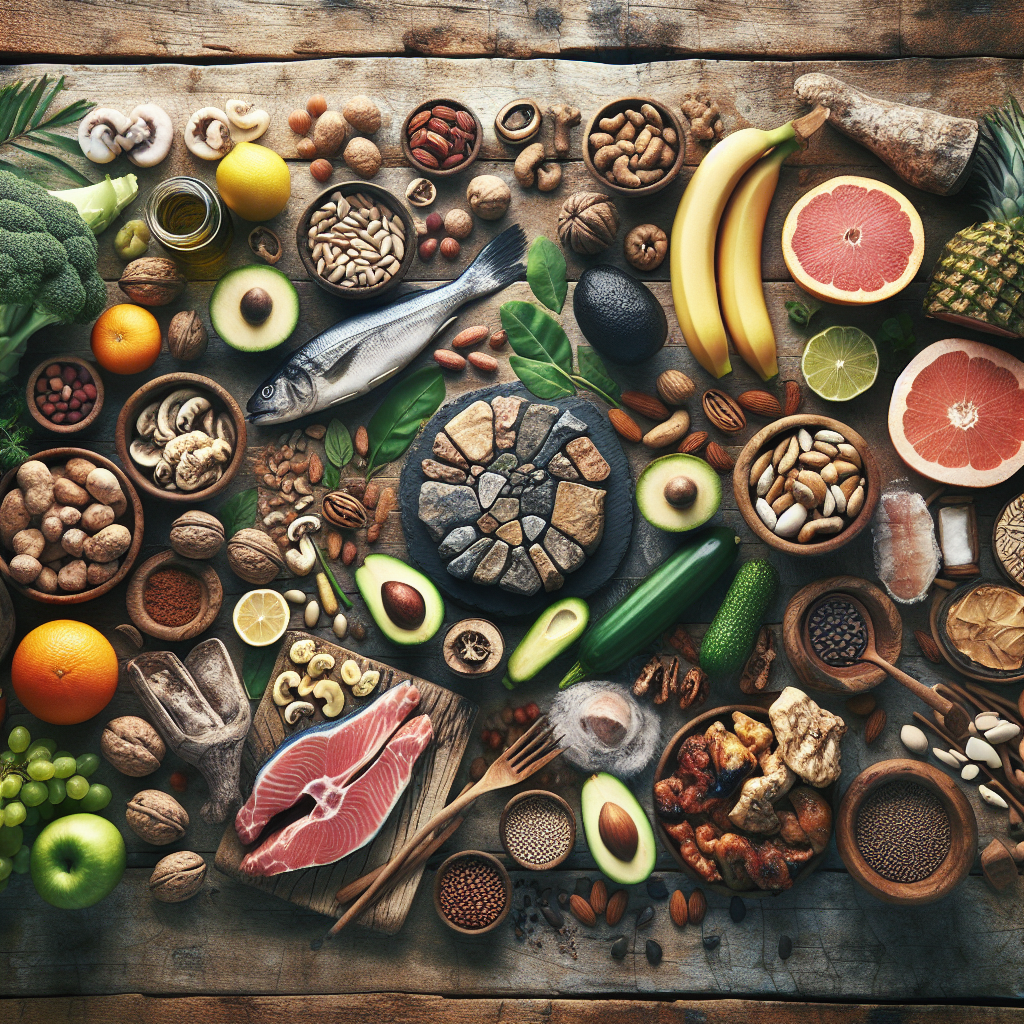
The Paleo Diet, often referred to as the “caveman diet,” is a nutritional plan that seeks to emulate the dietary patterns of our Paleolithic ancestors. This diet is based on the premise that modern humans thrive best on the foods that our prehistoric ancestors consumed, which includes lean meats, fish, fruits, vegetables, nuts, and seeds. The diet excludes processed foods, grains, legumes, and dairy, which proponents argue are the result of modern agriculture and contribute to many of today’s chronic health issues.
In recent years, the Paleo Diet has gained immense popularity due to its potential health benefits, including weight loss, improved metabolic health, and enhanced energy levels. This article delves deep into these benefits, exploring the science behind the diet and offering practical tips for those looking to adopt this ancient nutritional lifestyle.
The Principles of the Paleo Diet
The fundamental principle of the Paleo Diet is to consume whole, unprocessed foods that were available to humans during the Paleolithic era. This includes:
– **Lean Proteins**: Such as grass-fed meats, free-range poultry, and wild-caught fish, which are rich in omega-3 fatty acids and essential amino acids.
– **Fruits and Vegetables**: Packed with essential vitamins, minerals, and antioxidants, these foods are a staple of the Paleo Diet.
– **Nuts and Seeds**: Providing healthy fats and protein, nuts and seeds are consumed in moderation.
– **Healthy Fats**: Including avocados, olive oil, and coconut oil, which are integral to maintaining energy levels and supporting overall health.
The diet avoids foods that were not part of the human diet before the advent of agriculture, such as:
– **Grains and Legumes**: These are omitted due to their potential to cause inflammation and digestive issues.
– **Dairy Products**: Excluded because they were not regularly consumed during the Paleolithic era.
– **Processed Foods and Sugars**: These are avoided to reduce the intake of artificial additives and refined sugars.
Health Benefits of the Paleo Diet
Weight Loss and Improved Body Composition
One of the primary reasons many people turn to the Paleo Diet is for weight loss and improved body composition. By eliminating processed foods, refined sugars, and grains, the diet naturally reduces calorie intake and helps regulate blood sugar levels, leading to weight loss. Additionally, the high protein content of the diet promotes satiety, reducing overall calorie consumption and aiding in fat loss.
Studies have shown that individuals following the Paleo Diet tend to lose more weight compared to those on other diets. This is attributed to the diet’s emphasis on whole, nutrient-dense foods that boost metabolism and reduce hunger.
Enhanced Metabolic Health
The Paleo Diet has been linked to improved metabolic health, potentially reducing the risk of type 2 diabetes and cardiovascular disease. By focusing on low-glycemic foods, the diet helps regulate insulin levels and improve glucose tolerance. This can lead to better blood sugar control and lower insulin resistance, both of which are crucial for maintaining metabolic health.
Moreover, the diet’s emphasis on healthy fats and lean proteins supports heart health by improving cholesterol levels and reducing inflammation, further lowering the risk of chronic diseases.
Improved Digestive Health
Digestive health is another area where the Paleo Diet shines. By eliminating grains, legumes, and dairy, individuals may experience fewer digestive issues such as bloating, gas, and indigestion. The diet’s focus on fiber-rich fruits and vegetables promotes healthy digestion and regular bowel movements.
Additionally, the exclusion of processed foods and artificial additives can reduce the risk of food intolerances and allergies, leading to better overall gut health.
Increased Energy Levels
Many people report increased energy levels and improved mental clarity when following the Paleo Diet. By providing the body with nutrient-dense foods, the diet ensures a steady supply of energy throughout the day. The reduction in refined sugars and processed foods prevents energy crashes, leading to sustained stamina and focus.
The diet’s emphasis on omega-3 fatty acids, found in fish and certain nuts, supports brain health and cognitive function, contributing to enhanced mental clarity and mood stability.
The Science Behind the Paleo Diet
The Paleo Diet is grounded in evolutionary biology, which suggests that modern humans are genetically adapted to the diet of their ancestors. The argument is that the rapid changes in diet due to agriculture and industrialization have outpaced human evolution, leading to a mismatch between our genetic makeup and our modern diet.
Numerous studies have examined the effects of the Paleo Diet on health, with promising results. Research published in the “Journal of Internal Medicine” found that individuals following the Paleo Diet experienced significant improvements in waist circumference, triglyceride levels, and blood pressure compared to those on a standard diet. Another study in the “European Journal of Clinical Nutrition” reported enhanced glucose tolerance and insulin sensitivity among participants on the Paleo Diet.
While more research is needed to fully understand the long-term effects of the Paleo Diet, existing studies suggest that it can offer significant health benefits, particularly for those with metabolic syndrome and obesity.
Practical Tips for Adopting the Paleo Diet
Transitioning to a Paleo Diet can be a rewarding journey towards better health, but it requires careful planning and commitment. Here are some practical tips to help you get started:
Start Gradually
If you’re new to the Paleo Diet, consider starting gradually by eliminating processed foods, refined sugars, and grains from your diet. Introduce more lean proteins, fruits, and vegetables, and gradually phase out dairy and legumes.
Plan Your Meals
Planning your meals ahead of time can help you stay on track and ensure you have a variety of nutrient-dense foods in your diet. Consider preparing meals in advance and keeping healthy snacks, like nuts and seeds, on hand for when hunger strikes.
Experiment with Recipes
The Paleo Diet offers a wide variety of delicious and satisfying meals. Experiment with different recipes to find what you enjoy and to keep your meals interesting. There are plenty of resources available online, including cookbooks and blogs, to inspire your culinary journey.
Listen to Your Body
As with any diet, it’s important to listen to your body and make adjustments as needed. Pay attention to how you feel and make changes based on your energy levels, digestion, and overall well-being.
Conclusion
The Paleo Diet offers a compelling approach to eating that aligns with our evolutionary history. By focusing on whole, unprocessed foods, the diet provides numerous health benefits, including weight loss, improved metabolic health, and enhanced energy levels. While more research is needed to fully understand the long-term effects of the diet, many individuals have found success and improved health by adopting this ancient nutritional lifestyle. If you’re considering the Paleo Diet, start gradually, plan your meals, and listen to your body to unlock the potential health benefits of this timeless way of eating.













Add comment