
Introduction to the Mediterranean Diet
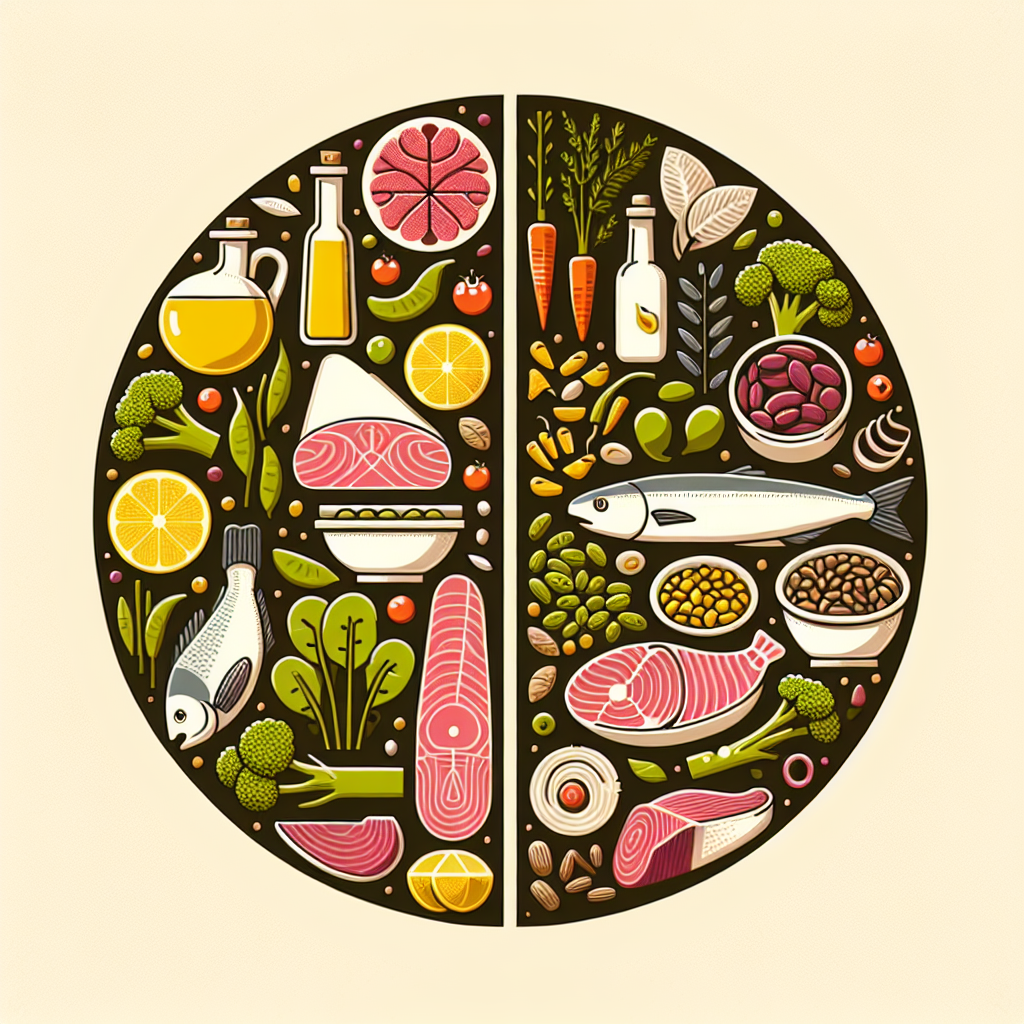
The Mediterranean diet is celebrated for its numerous health benefits, including heart health, weight management, and longevity. Rooted in the traditional dietary patterns of the countries bordering the Mediterranean Sea, this diet emphasizes the consumption of fruits, vegetables, whole grains, legumes, nuts, and healthy fats, particularly olive oil. Additionally, fish and seafood are central to the Mediterranean diet, offering a rich source of omega-3 fatty acids and other essential nutrients.
The Importance of Fish in the Mediterranean Diet
Fish is a cornerstone of the Mediterranean diet, providing lean protein, essential vitamins and minerals, and anti-inflammatory omega-3 fatty acids. These nutrients contribute to cardiovascular health, improved brain function, and reduced risk of chronic diseases. Regular consumption of fish is associated with lower levels of LDL cholesterol and triglycerides, making it a heart-friendly food choice.
Top Fish Choices for the Mediterranean Diet
When it comes to selecting fish for the Mediterranean diet, it’s important to choose species that are high in omega-3 fatty acids, sustainably sourced, and low in mercury. Here are some top fish choices that align with these criteria:
1. Salmon
Salmon is one of the most popular fish choices for the Mediterranean diet due to its high omega-3 content and versatility in culinary applications. It is rich in protein, vitamin D, and selenium, which support bone health and immune function. Whether grilled, baked, or poached, salmon can be incorporated into a variety of Mediterranean dishes, such as salads, pastas, and stews.
2. Sardines
Sardines are small, oily fish that pack a nutritional punch. They are an excellent source of omega-3 fatty acids, calcium, and vitamin B12. Sardines are often consumed whole, including bones, which provides additional calcium. They can be enjoyed fresh, canned, or grilled, and are a flavorful addition to salads, pasta, and antipasti platters.
3. Mackerel
Mackerel is another oily fish that is rich in omega-3 fatty acids, vitamin D, and vitamin B12. It is known for its bold flavor and can be prepared in a variety of ways, including smoking, grilling, or pan-frying. Mackerel is a sustainable choice and pairs well with Mediterranean herbs and spices, such as rosemary, thyme, and garlic.
4. Anchovies
Anchovies are small, silver fish that are commonly used in Mediterranean cuisine. They are high in omega-3 fatty acids, calcium, and iron. Anchovies have a strong, savory flavor and are often used as a seasoning or garnish in dishes such as Caesar salads, tapenades, and pizzas. Their intense flavor can enhance the taste of sauces and dressings.
5. Tuna
Tuna is a popular choice for its mild flavor and versatility. It is a good source of omega-3 fatty acids, protein, and selenium. When selecting tuna, it is important to choose varieties that are sustainably caught and low in mercury, such as skipjack or albacore. Tuna can be enjoyed fresh, grilled, or canned and is a delicious addition to salads, sandwiches, and pasta dishes.
6. Sea Bass
Sea bass is a white fish with a delicate flavor and firm texture. It is low in calories and a good source of protein, selenium, and vitamin B6. Sea bass is often grilled or baked and pairs well with Mediterranean ingredients like lemon, olive oil, and herbs. It is a great choice for those looking for a milder fish option.
7. Trout
Trout, particularly rainbow trout, is a freshwater fish that is rich in omega-3 fatty acids and protein. It has a mild, nutty flavor and can be prepared in various ways, including grilling, baking, or smoking. Trout is a sustainable choice and is often farmed responsibly, making it an environmentally friendly option for the Mediterranean diet.
Incorporating Fish into the Mediterranean Diet
Incorporating fish into the Mediterranean diet is both simple and delicious. Here are some tips and ideas for enjoying fish in your meals:
1. Grilled Fish
Grilling is a popular method of preparing fish in Mediterranean cuisine. Marinate your fish with olive oil, lemon juice, garlic, and herbs before grilling to enhance its flavor. Serve with a side of grilled vegetables or a fresh salad for a complete meal.
2. Fish Stews and Soups
Fish stews and soups are hearty and nutritious options. Use a combination of your favorite fish and seafood, such as mussels and clams, and simmer with tomatoes, onions, garlic, and herbs for a satisfying dish. Pair with crusty whole-grain bread for a traditional Mediterranean experience.
3. Fish Salads
Add cooked fish to salads for a protein boost. Combine flaked salmon or grilled tuna with mixed greens, cherry tomatoes, cucumbers, and olives. Dress with olive oil and lemon juice for a refreshing and healthy meal.
4. Canned Fish
Canned fish, such as sardines, anchovies, and tuna, is a convenient option for quick meals. Use canned fish to top whole-grain crackers, mix into pasta dishes, or as a filling for sandwiches. Choose varieties packed in olive oil or water for the healthiest options.
Conclusion
The Mediterranean diet is renowned for its health benefits and delicious flavors, with fish playing a central role in its success. By choosing the right types of fish, such as salmon, sardines, mackerel, and others, you can enjoy the nutritional advantages of omega-3 fatty acids and other essential nutrients. Incorporating these fish into your meals not only supports heart health and cognitive function but also aligns with sustainable and environmentally friendly practices. Embrace the Mediterranean way of eating by enjoying a variety of fish dishes that are both satisfying and nourishing.









Add comment