
Introduction
The quest for effective weight loss solutions has led many to explore various dietary patterns. Among the numerous diets available, the Mediterranean diet stands out not only for its potential to aid weight loss but also for its health benefits and sustainability. Characterized by the consumption of fresh fruits, vegetables, whole grains, lean proteins, and healthy fats, the Mediterranean diet is inspired by the traditional eating habits of countries bordering the Mediterranean Sea. This article will delve into how the Mediterranean diet can aid in weight loss and why it is a preferred choice for many seeking healthier lifestyles.
Understanding the Mediterranean Diet
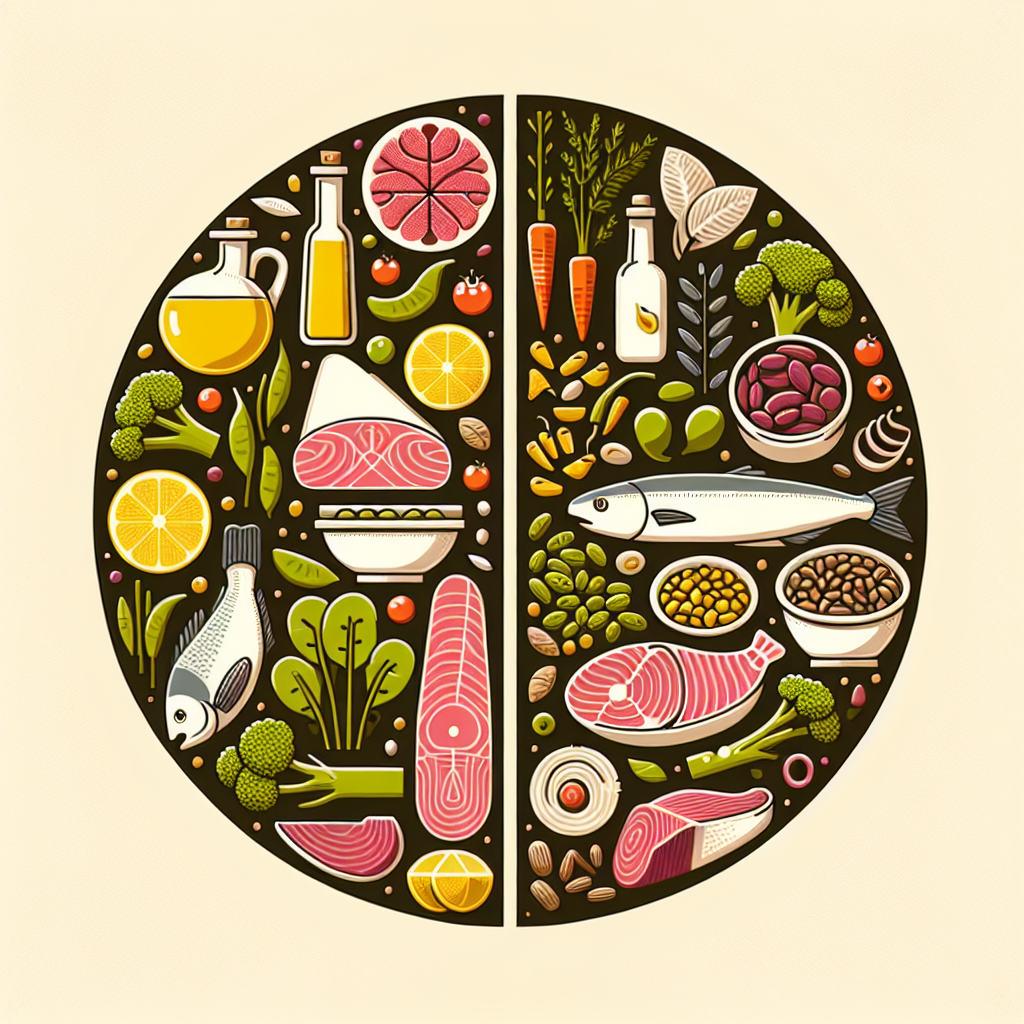
The Mediterranean diet is not a restrictive diet plan but rather a way of eating that emphasizes the consumption of natural, whole foods. It is rich in plant-based foods, such as fruits, vegetables, legumes, nuts, seeds, and whole grains. Fish and seafood are the primary sources of animal protein, while poultry, eggs, and dairy products are consumed in moderation. Red meat and sweets are limited, while olive oil is the principal source of healthy fat.
The Science Behind the Mediterranean Diet and Weight Loss
Research has consistently shown that the Mediterranean diet is effective for weight loss and weight maintenance. Here are some reasons why:
- Satiety and Reduced Caloric Intake: The Mediterranean diet includes high-fiber foods like fruits, vegetables, and whole grains. These foods enhance satiety and help reduce overall calorie intake.
- Healthy Fats: Olive oil, nuts, and fish provide monounsaturated and polyunsaturated fats, which are healthy fats that can help reduce inflammation and improve heart health while promoting a feeling of fullness.
- Low Glycemic Index: The emphasis on whole grains and legumes helps stabilize blood sugar levels, preventing spikes that can lead to increased hunger and overeating.
- Anti-inflammatory Properties: The diet is rich in antioxidants from fruits, vegetables, and olive oil, which can reduce inflammation and improve metabolism.
Implementing the Mediterranean Diet for Weight Loss
Plan Your Meals
Planning meals is crucial to successfully implementing the Mediterranean diet. Incorporate a variety of colorful fruits and vegetables, lean proteins, and healthy fats into every meal. Focus on portion control and balance.
Start with Breakfast
A typical Mediterranean breakfast might include oatmeal topped with fresh berries and a sprinkle of nuts, or a whole grain toast with avocado and a poached egg. These options are nutritious and energy-boosting.
Lunch and Dinner Ideas
For lunch and dinner, aim for a plate filled with vegetables, a serving of lean protein like grilled fish or chicken, and a portion of whole grains such as quinoa or brown rice. Salads with mixed greens, tomatoes, cucumbers, olives, and feta cheese, drizzled with olive oil and lemon juice, are also a popular choice.
Snacks
Choose healthy snacks such as a handful of almonds, Greek yogurt with honey, or sliced vegetables with hummus. These snacks are nutritious and satisfying.
Benefits Beyond Weight Loss
The Mediterranean diet is not just about shedding pounds; it offers numerous health benefits that contribute to overall well-being:
- Heart Health: The diet is associated with a reduced risk of cardiovascular diseases due to its high content of healthy fats and antioxidants.
- Diabetes Prevention and Management: By stabilizing blood sugar levels, the Mediterranean diet can help prevent and manage type 2 diabetes.
- Improved Cognitive Function: Nutrients in the Mediterranean diet, particularly omega-3 fatty acids, are linked to better brain health and a lower risk of cognitive decline.
- Longevity: The diet’s focus on whole, unprocessed foods contributes to a longer, healthier life.
Potential Challenges and Solutions
While the Mediterranean diet is widely praised, it can present some challenges:
- Access to Fresh Produce: In some regions, accessing fresh produce might be challenging. Consider frozen fruits and vegetables, which retain most of their nutritional value.
- Cost of Ingredients: The diet can be more expensive due to the emphasis on fresh, quality ingredients. Buying in bulk, choosing seasonal produce, and shopping at local markets can help reduce costs.
- Changing Habits: Transitioning to a new dietary pattern requires time and patience. Start by making gradual changes, such as incorporating more plant-based meals or replacing butter with olive oil.
Success Stories and Testimonials
Many individuals have successfully achieved their weight loss goals through the Mediterranean diet. For example, a study published in the “New England Journal of Medicine” highlighted that participants following the Mediterranean diet experienced significant weight loss compared to those on a low-fat diet. Testimonials often mention increased energy levels, improved mood, and a newfound appreciation for cooking and enjoying meals.
Conclusion
The Mediterranean diet is more than just a diet; it’s a lifestyle that promotes long-term health and sustainable weight loss. By focusing on whole, nutrient-dense foods and encouraging mindful eating, the Mediterranean diet supports not only weight management but also overall well-being. Whether you’re looking to lose weight or simply adopt healthier eating habits, the Mediterranean diet offers a delicious and fulfilling way to achieve your goals. Embrace this way of eating and unlock the potential for a healthier, happier life.











Add comment