Introduction
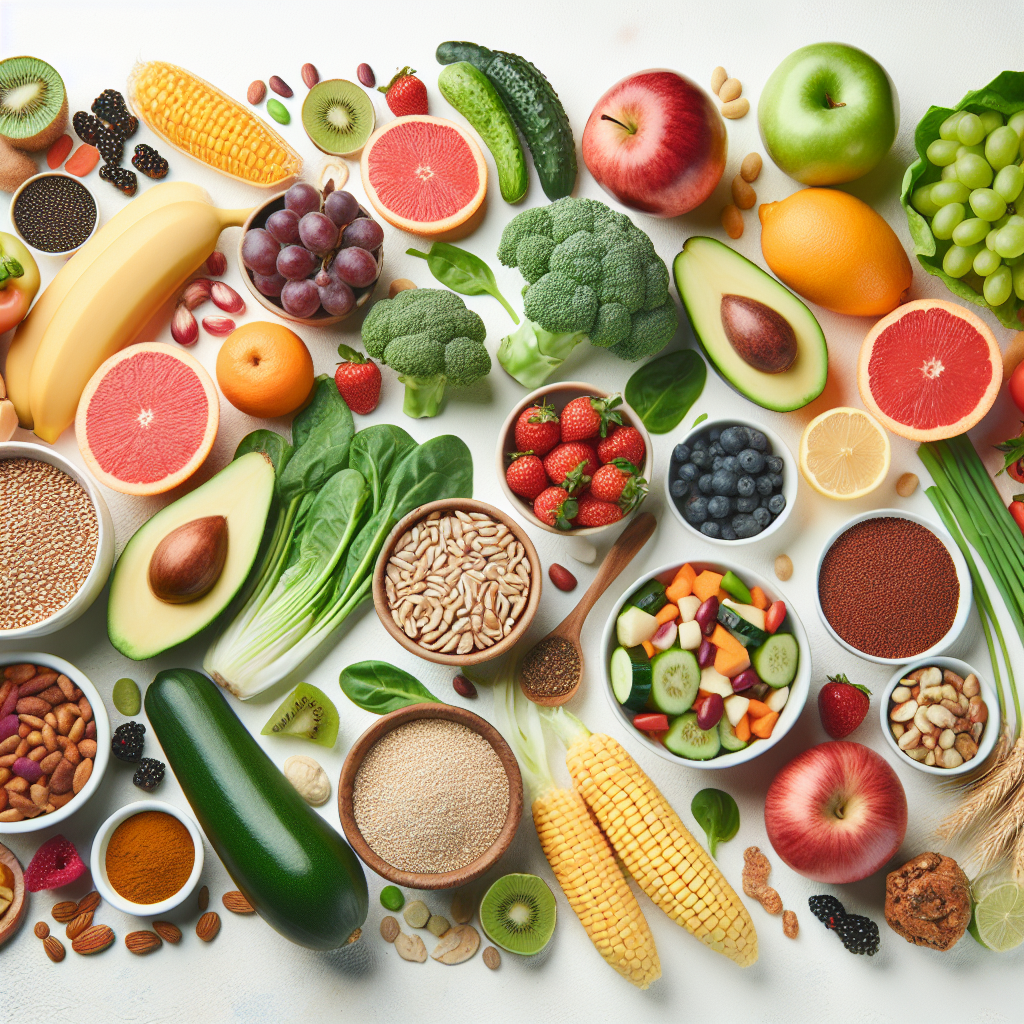
In an era where processed foods and fast meals dominate our diets, the concept of “clean eating” has emerged as a refreshing approach to nutrition. Clean eating emphasizes the consumption of whole, minimally processed foods that are as close to their natural state as possible. This lifestyle not only promotes better health but also supports sustainable practices and mindful eating. In this article, we will delve into the top whole foods that form the cornerstone of clean eating, helping you make informed choices for optimal health.
Fruits and Vegetables: Nature’s Bounty
Leafy Greens
Leafy greens such as spinach, kale, and Swiss chard are nutritional powerhouses. They are rich in vitamins A, C, and K, as well as folate, iron, and calcium. These vegetables are also high in fiber, aiding digestion and promoting a feeling of fullness. Incorporating leafy greens into your meals can support heart health, improve bone strength, and boost your immune system.
Berries
Berries, including blueberries, strawberries, and raspberries, are celebrated for their high antioxidant content. Antioxidants help combat oxidative stress and inflammation in the body, reducing the risk of chronic diseases. Berries are also low in calories and high in fiber, making them a perfect snack or addition to smoothies and salads.
Cruciferous Vegetables
Cruciferous vegetables like broccoli, cauliflower, and Brussels sprouts are known for their cancer-fighting properties. They contain compounds called glucosinolates, which have been shown to reduce the risk of certain cancers. These vegetables are also rich in vitamins C and K and provide a good source of fiber.
Whole Grains: Sustained Energy
Quinoa
Quinoa is a versatile grain that is rich in protein, fiber, and essential amino acids. Unlike other grains, quinoa is a complete protein, making it an excellent choice for vegetarians and vegans. It is also gluten-free, making it suitable for those with gluten sensitivities. Quinoa supports healthy digestion, provides long-lasting energy, and contributes to muscle repair and growth.
Brown Rice
Brown rice is a whole grain that retains its bran and germ layers, providing more nutrients than white rice. It is an excellent source of magnesium, phosphorus, selenium, and B vitamins. Brown rice is also high in fiber, which aids in digestion and helps maintain stable blood sugar levels.
Oats
Oats are a highly nutritious whole grain, known for their heart-healthy benefits. They contain beta-glucan, a type of soluble fiber that can help lower cholesterol levels and improve heart health. Oats are also rich in antioxidants and can help regulate blood sugar levels, making them an ideal breakfast option for sustained energy throughout the day.
Proteins: Building Blocks of Life
Legumes
Legumes, including lentils, chickpeas, and black beans, are excellent sources of plant-based protein and fiber. They are also rich in iron, folate, and other essential nutrients. Incorporating legumes into your diet can improve heart health, support weight management, and stabilize blood sugar levels.
Nuts and Seeds
Nuts and seeds, such as almonds, walnuts, chia seeds, and flaxseeds, are nutrient-dense foods that provide healthy fats, protein, and fiber. They are rich in omega-3 fatty acids, which support brain health and reduce inflammation. Including a variety of nuts and seeds in your diet can improve heart health, aid in weight management, and boost your overall nutrient intake.
Fish
Fatty fish like salmon, mackerel, and sardines are rich in omega-3 fatty acids, which are essential for heart and brain health. These fish are also excellent sources of high-quality protein, vitamins D and B12, and selenium. Regular consumption of fatty fish can reduce the risk of heart disease, improve cognitive function, and support healthy skin.
Dairy and Alternatives: Calcium and Beyond
Greek Yogurt
Greek yogurt is a fermented dairy product that is high in protein, calcium, and probiotics. Probiotics support gut health by promoting the growth of beneficial bacteria in the digestive tract. Greek yogurt also contains less lactose than regular yogurt, making it easier to digest for those with lactose intolerance.
Plant-Based Milks
Plant-based milks, such as almond milk, soy milk, and oat milk, are popular alternatives to cow’s milk. These milks are often fortified with calcium, vitamin D, and other essential nutrients. They are suitable for those with lactose intolerance or dairy allergies and can be included in a clean eating diet as a source of calcium and other nutrients.
Healthy Fats: Essential for Well-Being
Avocado
Avocado is a unique fruit that is rich in healthy monounsaturated fats, which can help reduce bad cholesterol levels and support heart health. It is also a good source of fiber, potassium, and vitamins C, E, and K. Avocado can be incorporated into a variety of dishes, from salads to smoothies, providing a creamy texture and a nutritional boost.
Olive Oil
Olive oil is a staple in the Mediterranean diet, known for its heart-healthy benefits. It is rich in monounsaturated fats and antioxidants, which can reduce inflammation and lower the risk of chronic diseases. Extra virgin olive oil is the least processed form and retains the most nutrients. It can be used in salad dressings, sautéing, and drizzling over dishes for added flavor and nutrition.
Conclusion
Clean eating is a lifestyle choice that emphasizes the consumption of whole, minimally processed foods. By incorporating a variety of fruits, vegetables, whole grains, proteins, dairy or alternatives, and healthy fats into your diet, you can enjoy a wide range of health benefits. These foods provide essential nutrients, support sustainable practices, and promote mindful eating. Embrace the power of whole foods and embark on a journey to optimal health and well-being.









Add comment