Introduction
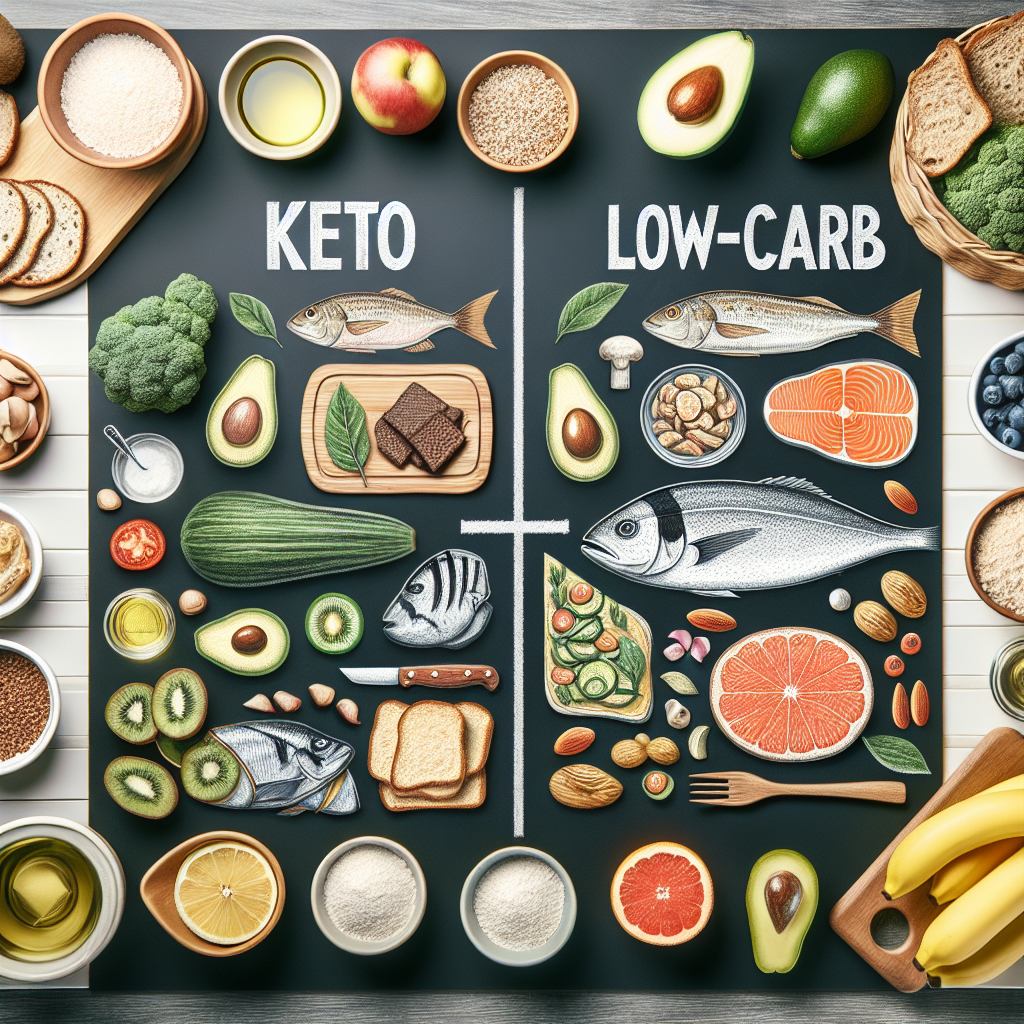
In recent years, the ketogenic (keto) diet and low-carb diets have gained immense popularity for their potential health benefits and effectiveness in weight management. Although both diets focus on reducing carbohydrate intake, they have distinct differences in their approach and goals. Understanding these differences is crucial for individuals seeking to adopt a diet that aligns with their health objectives and lifestyle. This article delves into the key distinctions between the keto diet and low-carb diets, exploring their principles, benefits, potential pitfalls, and suitability for different individuals.
Understanding the Keto Diet
The ketogenic diet is a high-fat, moderate-protein, and very low-carbohydrate diet designed to induce a metabolic state known as ketosis. In ketosis, the body shifts from using glucose as its primary energy source to utilizing ketones derived from fat breakdown. This process can lead to weight loss, improved energy levels, and other health benefits.
Macronutrient Composition
The keto diet typically consists of approximately 70-75% fat, 20-25% protein, and only 5-10% carbohydrates. This drastic reduction in carbohydrates is necessary to induce and maintain ketosis. The exact macronutrient ratios may vary depending on individual goals and metabolic responses.
Health Benefits
Proponents of the keto diet highlight several potential health benefits, including:
- Weight Loss: By utilizing fat as the primary fuel source, the keto diet can lead to significant fat loss.
- Improved Blood Sugar Control: Reducing carbohydrate intake can help stabilize blood sugar levels, making the keto diet beneficial for individuals with type 2 diabetes.
- Enhanced Mental Clarity: Ketones are considered a more efficient fuel source for the brain, potentially improving cognitive function.
- Increased Energy Levels: Many individuals report sustained energy levels on the keto diet, avoiding the energy crashes associated with high-carb diets.
Potential Challenges
Despite its benefits, the keto diet presents some challenges:
- Keto Flu: As the body adapts to ketosis, some individuals experience symptoms like fatigue, headaches, and irritability, known as the “keto flu.”
- Nutrient Deficiencies: The restrictive nature of the diet may lead to deficiencies in essential nutrients, requiring careful meal planning.
- Social and Lifestyle Constraints: Adhering to the keto diet may be challenging in social settings and when traveling.
Exploring Low-Carb Diets
Low-carb diets encompass a broader range of dietary approaches that reduce carbohydrate intake but do not necessarily aim to achieve ketosis. These diets prioritize whole foods and allow for moderate carbohydrate consumption compared to the keto diet.
Macronutrient Composition
Low-carb diets typically allocate approximately 10-30% of daily caloric intake to carbohydrates, with the remaining calories sourced from proteins and fats. The specific macronutrient distribution can vary based on individual preferences and goals.
Health Benefits
Low-carb diets offer a range of health benefits, including:
- Weight Management: Reduced carbohydrate intake can lead to weight loss and improved body composition.
- Blood Sugar Control: Like the keto diet, low-carb diets can help stabilize blood sugar levels, benefiting those with insulin resistance.
- Improved Heart Health: Some studies suggest that low-carb diets may improve markers of heart health, such as cholesterol levels and blood pressure.
Potential Challenges
While generally more flexible than the keto diet, low-carb diets still present challenges:
- Initial Adaptation: Transitioning to a low-carb diet may cause temporary side effects, similar to the keto flu.
- Food Choices: Limiting carbohydrates requires a focus on nutrient-dense foods, which may require adjustments in eating habits.
Key Differences Between Keto and Low-Carb Diets
Carbohydrate Restriction
The primary difference between the keto and low-carb diets lies in the degree of carbohydrate restriction. The keto diet demands a more severe reduction to achieve ketosis, while low-carb diets allow for a broader range of carbohydrate intake.
Metabolic State
The keto diet aims to induce a specific metabolic state—ketosis—whereas low-carb diets do not necessarily focus on achieving ketosis. This distinction affects how the body utilizes energy sources.
Flexibility
Low-carb diets tend to be more flexible and easier to maintain long-term due to their less stringent carbohydrate restrictions. The keto diet requires a more disciplined approach to maintain ketosis.
Suitability
The suitability of each diet varies based on individual goals and health conditions. The keto diet may be more appropriate for those seeking rapid weight loss or specific therapeutic benefits, while low-carb diets offer a sustainable approach for general health and weight management.
Conclusion
The keto and low-carb diets share similarities in reducing carbohydrate intake but differ significantly in their approach and objectives. Understanding these differences is essential for individuals considering these dietary plans, as it allows for informed decision-making based on personal health goals and lifestyle preferences. Whether aiming for ketosis or simply reducing carbs for health benefits, both diets provide viable options for those seeking improved well-being through dietary modifications. Ultimately, the choice between a keto and a low-carb diet should be guided by individual needs, preferences, and professional medical advice.












Add comment