“`html
High-Fat Foods: Keto Diet Essentials
The ketogenic diet, commonly referred to as the keto diet, has gained immense popularity in recent years due to its potential benefits for weight loss, improved energy levels, and enhanced mental clarity. Central to the keto diet is the consumption of high-fat foods, which play a crucial role in shifting the body’s primary energy source from carbohydrates to fats. In this article, we delve into the essential high-fat foods that form the backbone of a successful keto diet, exploring their nutritional benefits, ways to incorporate them into meals, and tips for maintaining a balanced approach.
Understanding the Keto Diet
The keto diet is a low-carbohydrate, high-fat diet designed to induce a state of ketosis in the body. Ketosis is a metabolic state where the body, deprived of carbohydrates, begins to burn fat for fuel, producing ketones as a byproduct. This shift in metabolism can lead to significant weight loss and other health benefits. To achieve and maintain ketosis, it’s essential to focus on consuming foods high in healthy fats while minimizing carbohydrate intake.
The Role of High-Fat Foods
High-fat foods are the cornerstone of the keto diet. They provide the energy needed to fuel the body in the absence of carbohydrates. Additionally, fats are crucial for the absorption of fat-soluble vitamins (A, D, E, and K) and play a vital role in hormone production, cell structure, and overall health. Choosing the right types of fats is paramount to ensure the diet remains healthful and effective.
Essential High-Fat Foods for the Keto Diet
1. Avocados
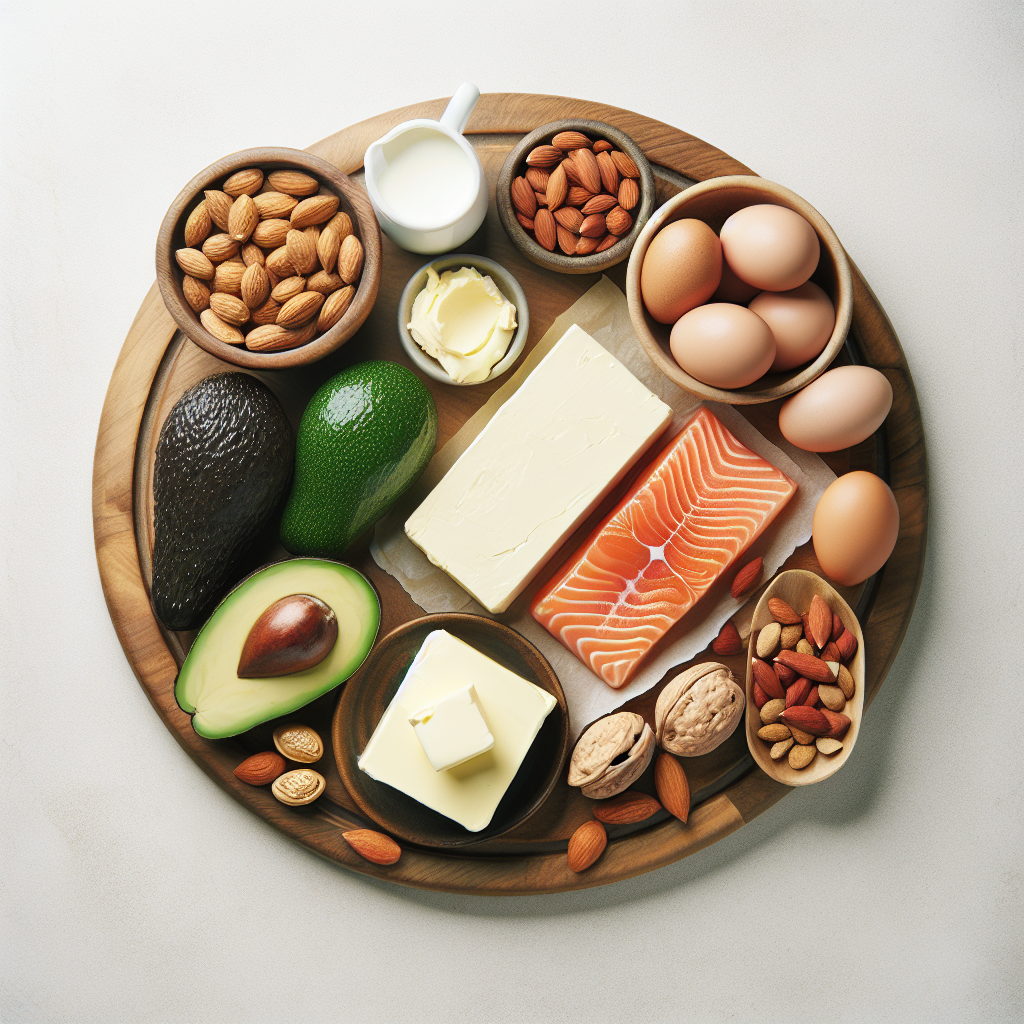
Avocados are a staple in the keto diet, known for their creamy texture and rich flavor. They are an excellent source of monounsaturated fats, which are heart-healthy and help reduce bad cholesterol levels. Additionally, avocados are packed with fiber, potassium, and vitamins C, E, and K. Enjoy avocados in salads, as a spread, or in smoothies.
2. Nuts and Seeds
Nuts and seeds are nutrient-dense snacks that provide a satisfying crunch and a dose of healthy fats. Almonds, walnuts, chia seeds, and flaxseeds are particularly high in omega-3 fatty acids, which are known for their anti-inflammatory properties. These can be eaten alone, added to yogurt, or used as a topping for salads and desserts.
3. Olive Oil
Olive oil is a cornerstone of the Mediterranean diet and a fantastic source of monounsaturated fats. It’s known for its cardiovascular benefits and is a versatile cooking oil. Use extra virgin olive oil for salad dressings, drizzling over cooked vegetables, or as a base for keto-friendly marinades.
4. Coconut Oil
Coconut oil is rich in medium-chain triglycerides (MCTs), which are rapidly absorbed and converted into ketones, making them an excellent energy source for those on a keto diet. Coconut oil can be used in cooking, baking, or added to coffee for a creamy, satisfying beverage.
5. Butter and Ghee
Butter and ghee (clarified butter) are excellent sources of saturated fats, which are essential for the keto diet. They add rich flavor and moisture to dishes. Use them for sautéing vegetables, frying eggs, or as a topping for meats and veggies.
6. Fatty Fish
Fatty fish like salmon, mackerel, sardines, and trout are rich in omega-3 fatty acids, which support heart health and reduce inflammation. Incorporate these into your diet by grilling, baking, or enjoying them in salads or as a main course.
7. Cheese
Cheese, a beloved high-fat food, is an excellent source of protein and calcium. Varieties such as cheddar, mozzarella, and brie are low in carbohydrates and high in fats. Use cheese in omelets, salads, or as a snack.
8. Full-Fat Dairy
Full-fat dairy products like cream, yogurt, and sour cream are rich in fats and low in carbohydrates, making them ideal for the keto diet. Use these products to create creamy sauces, smoothies, or desserts.
9. Eggs
Eggs are a versatile and affordable source of high-quality protein and healthy fats. They contain essential nutrients like choline, which is vital for brain health. Enjoy eggs boiled, scrambled, or in frittatas.
Incorporating High-Fat Foods into Your Keto Diet
Creating a meal plan that incorporates these high-fat foods can be both delicious and satisfying. Here are some tips to help you seamlessly integrate these foods into your daily meals:
1. Start Your Day with a High-Fat Breakfast
Kickstart your morning with a meal rich in healthy fats. Consider an avocado and cheese omelet cooked in butter or coconut oil. This combination provides a balanced mix of fats and proteins to keep you energized throughout the day.
2. Snack Smart
Keep keto-friendly snacks on hand to prevent hunger between meals. A handful of nuts or a small serving of full-fat yogurt with chia seeds can curb cravings and provide a boost of energy.
3. Dress Your Salads with Healthy Oils
Enhance the nutritional value of your salads by using olive oil or avocado oil as a dressing. Add nuts, seeds, and cheese for extra flavor and texture.
4. Opt for Fatty Cuts of Meat
When selecting meats, choose fatty cuts like ribeye steak or lamb chops. These not only provide essential fats but also offer a rich and satisfying flavor.
5. Experiment with Keto-Friendly Desserts
Indulge your sweet tooth with keto-friendly desserts made from ingredients like coconut oil, almond flour, and dark chocolate. These treats can satisfy cravings without knocking you out of ketosis.
Maintaining Balance on the Keto Diet
While high-fat foods are crucial for the keto diet, it’s essential to maintain a balanced approach to ensure long-term success and health. Here are some tips:
1. Prioritize Whole Foods
Focus on consuming whole, minimally processed foods to maximize nutrient intake and avoid unnecessary additives or preservatives.
2. Monitor Portion Sizes
Even on the keto diet, it’s important to be mindful of portion sizes, particularly with calorie-dense foods like nuts and oils.
3. Stay Hydrated
High-fat diets can sometimes lead to dehydration, so it’s crucial to drink plenty of water throughout the day.
4. Listen to Your Body
Pay attention to how your body responds to different foods and adjust your diet accordingly. Every individual’s nutritional needs are unique.
Conclusion
The keto diet offers a promising approach to weight loss and health improvement, with high-fat foods playing a central role in its success. By incorporating a variety of nutrient-dense, high-fat foods like avocados, nuts, olive oil, and fatty fish, you can enjoy a satisfying and effective keto lifestyle. Remember to maintain balance, prioritize whole foods, and listen to your body’s needs to achieve optimal results. With careful planning and a focus on quality fats, the keto diet can be a sustainable and rewarding dietary choice.
“`












Add comment