Introduction
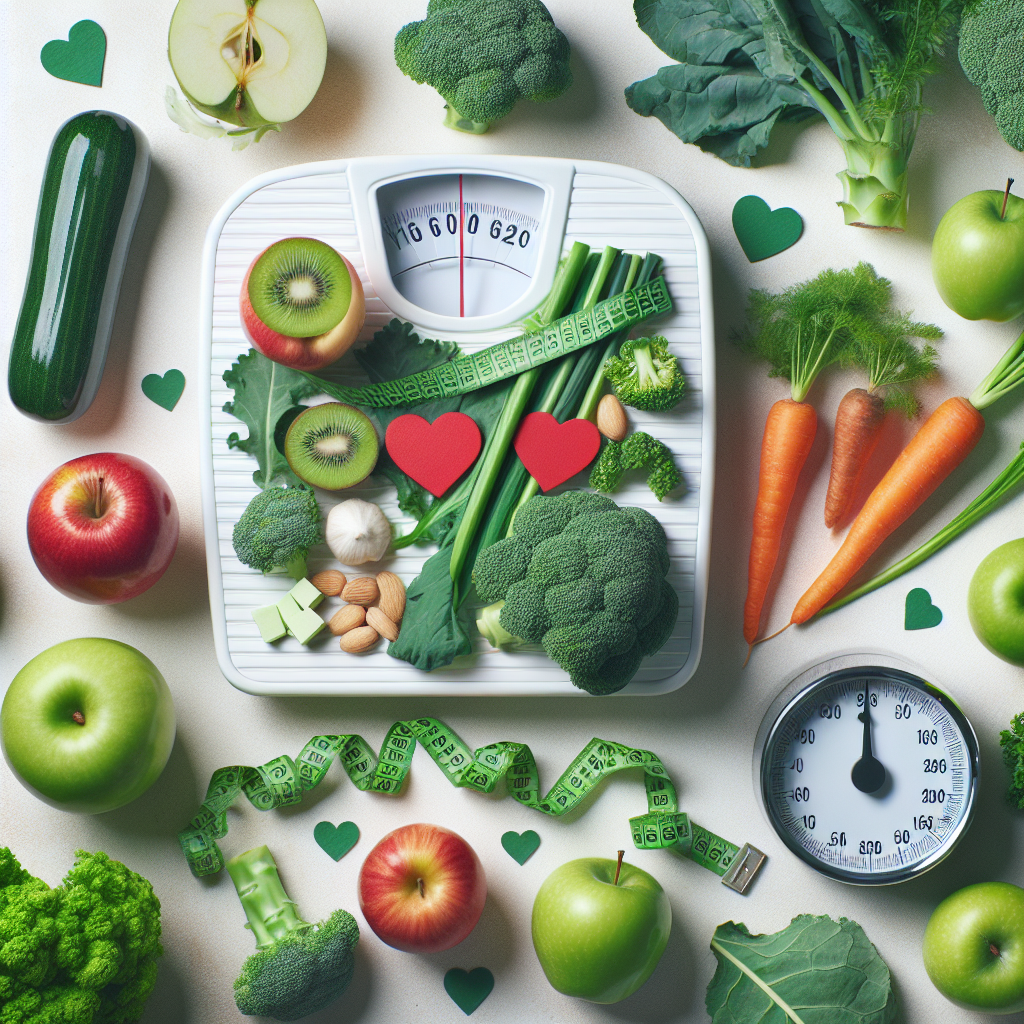
Adopting a vegan lifestyle has gained immense popularity over the past few years, not only for ethical and environmental reasons but also for its potential health benefits. Among these benefits is weight loss, which many people seek when transitioning to a plant-based diet. However, simply eliminating animal products does not automatically lead to weight loss. It requires a strategic approach to ensure that the diet is not only vegan but also conducive to shedding pounds. In this article, we will unveil effective vegan weight loss tips that can help you achieve your health and fitness goals.
Understanding Veganism and Weight Loss
Before diving into tips, it’s important to understand the basics of veganism and how it relates to weight loss. A vegan diet excludes all animal products, including meat, dairy, and eggs, focusing instead on plant-based foods like fruits, vegetables, grains, nuts, and seeds. The potential for weight loss stems from the high fiber content, lower calorie density, and the exclusion of calorie-dense animal fats typically found in a vegan diet.
Focus on Whole Foods
One of the most effective strategies for losing weight on a vegan diet is to emphasize whole foods. Whole foods are minimally processed and rich in nutrients, which can help keep you full and satisfied while consuming fewer calories. Include a variety of fruits, vegetables, whole grains, and legumes in your meals. These foods are naturally low in calories but high in volume, allowing you to eat more without exceeding your caloric needs.
Benefits of Whole Foods
Whole foods are packed with essential nutrients, fiber, and antioxidants, all of which contribute to overall health and weight loss. Fiber is particularly important as it aids digestion, helps control blood sugar levels, and promotes a feeling of fullness, reducing the likelihood of overeating.
Mindful Eating
Practicing mindful eating is another powerful tool for weight loss. This involves paying attention to your hunger cues, eating slowly, and savoring every bite. Mindful eating helps prevent overeating by encouraging you to listen to your body’s natural signals of hunger and fullness.
How to Practice Mindful Eating
To practice mindful eating, eliminate distractions such as smartphones or television during meals. Focus on the taste, texture, and aroma of your food. Chew slowly and thoroughly, and pause between bites. By doing so, you give your body enough time to recognize when it’s full, reducing the likelihood of consuming excess calories.
Incorporate Protein-Rich Plant Foods
Protein is essential for muscle maintenance and repair, and it also plays a crucial role in weight loss by promoting satiety. While animal products are a common source of protein, there are plenty of plant-based options that can be incorporated into a vegan diet.
Top Plant-Based Protein Sources
- Legumes: Lentils, chickpeas, black beans, and other legumes are excellent sources of protein and fiber.
- Tofu and Tempeh: These soy-based products are versatile and can be used in a wide variety of dishes.
- Quinoa: A complete protein, quinoa contains all nine essential amino acids.
- Nuts and Seeds: Almonds, chia seeds, flaxseeds, and hemp seeds are not only high in protein but also healthy fats.
Avoid Vegan Junk Food
Just because a food is vegan doesn’t mean it’s healthy or conducive to weight loss. Vegan junk foods, such as processed snacks, sugary desserts, and fast food alternatives, can be high in calories, unhealthy fats, and sugars. Consuming these foods can hinder weight loss efforts.
Read Labels Carefully
When purchasing packaged foods, always read the labels carefully. Look for products with minimal ingredients and avoid those high in added sugars, sodium, and artificial additives. Opt for whole foods whenever possible to ensure you’re fueling your body with the nutrients it needs.
Stay Hydrated
Hydration is a key component of a successful weight loss strategy. Drinking enough water can help control appetite, boost metabolism, and enhance physical performance. Sometimes, thirst can be mistaken for hunger, leading to unnecessary snacking.
Tips for Staying Hydrated
Aim to drink at least 8 glasses of water a day. You can also increase your water intake by consuming water-rich foods such as cucumbers, watermelon, and oranges. Herbal teas and infusions are also great ways to stay hydrated without adding calories.
Get Active
While diet is a crucial component of weight loss, physical activity is equally important. Regular exercise helps burn calories, build muscle, and improve overall health. Combining a vegan diet with an active lifestyle can accelerate weight loss and enhance well-being.
Exercise Recommendations
Engage in a mix of cardiovascular exercises, such as walking, running, or cycling, and strength training exercises, like weight lifting or yoga. Aim for at least 150 minutes of moderate-intensity aerobic activity per week, along with muscle-strengthening activities on two or more days a week.
Plan Your Meals
Planning your meals in advance can be a game-changer for weight loss. It allows you to make intentional food choices, control portion sizes, and avoid impulsive eating decisions that can lead to consuming unhealthy foods.
How to Meal Plan
Start by setting aside time each week to plan your meals. Create a shopping list based on your meal plan to ensure you have all necessary ingredients. Prepare meals in batches and store them in portioned containers for easy access throughout the week.
Conclusion
Achieving weight loss on a vegan diet is entirely possible with the right approach. By focusing on whole foods, practicing mindful eating, incorporating protein-rich plant foods, and staying active, you can effectively shed pounds while enjoying the benefits of a plant-based lifestyle. Remember to stay hydrated, avoid vegan junk food, and plan your meals to set yourself up for success. With dedication and consistency, vegan weight loss is not only attainable but sustainable in the long run.








Add comment