
Introduction to the Mediterranean Diet
The Mediterranean diet has gained significant attention for its numerous health benefits. Originating from the countries bordering the Mediterranean Sea, this diet emphasizes whole foods, healthy fats, and a variety of fruits and vegetables. It is recognized for its potential to reduce the risk of chronic diseases such as heart disease and diabetes, while promoting longevity and overall well-being. However, a common misconception is that adhering to the Mediterranean diet can be expensive. This article aims to dispel that myth by providing budget-friendly tips to successfully incorporate this healthy eating pattern into your lifestyle.
Understanding the Core Principles of the Mediterranean Diet
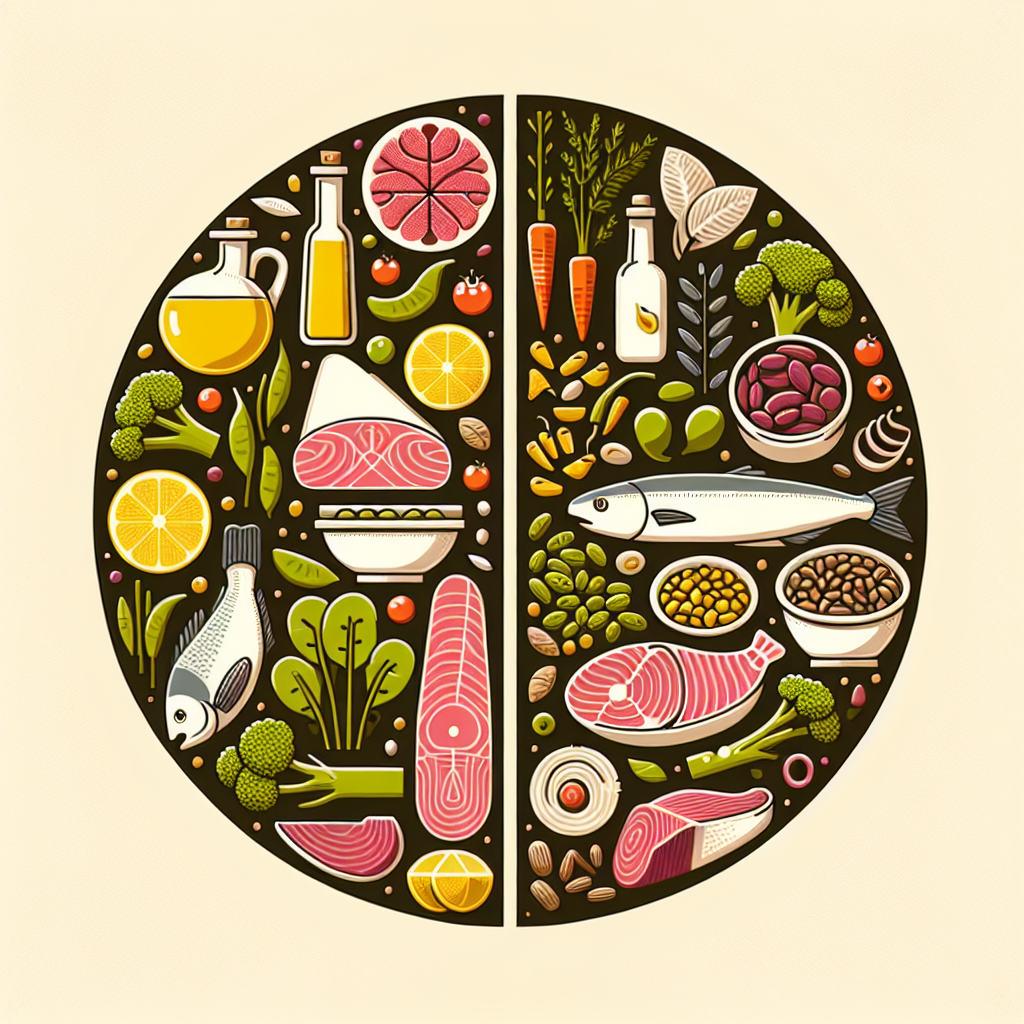
Before diving into budget-friendly strategies, it’s crucial to understand the core principles of the Mediterranean diet. This dietary pattern emphasizes:
- Fruits and Vegetables: A variety of colorful fruits and vegetables are central to the diet, providing essential vitamins, minerals, and antioxidants.
- Whole Grains: Foods like whole wheat bread, brown rice, and oats are prioritised over refined grains.
- Healthy Fats: Olive oil, nuts, and seeds are preferred sources of fat, with limited intake of saturated fats.
- Lean Proteins: Fish and poultry are the primary sources of protein, while red meat is consumed sparingly.
- Legumes: Beans, lentils, and chickpeas are encouraged as plant-based protein sources.
- Herbs and Spices: Flavoring meals with herbs and spices instead of salt enhances taste without adding sodium.
Budget-Friendly Tips for Embracing the Mediterranean Diet
1. Plan Your Meals
One of the most effective ways to save money while following the Mediterranean diet is to plan your meals in advance. By creating a weekly meal plan, you can make a precise shopping list and avoid impulse purchases. Planning allows you to incorporate seasonal and on-sale produce, ensuring you get the best deals. Moreover, it minimizes food waste, as you buy only what you need.
2. Buy in Bulk
Purchasing items in bulk is another cost-effective strategy. Staples of the Mediterranean diet, such as whole grains, beans, and nuts, are often available in bulk at lower prices. Additionally, bulk buying reduces packaging waste, making it an environmentally friendly choice. Consider investing in airtight containers to store these items and maintain their freshness.
3. Choose Frozen Over Fresh
While fresh produce is ideal, it can sometimes be expensive. Frozen fruits and vegetables are a great alternative, as they are often more affordable and have a longer shelf life. They are typically flash-frozen at peak ripeness, retaining their nutritional value. Incorporate frozen spinach, berries, and mixed vegetables into your meals to add variety without breaking the bank.
4. Embrace Canned Goods
Canned goods are another budget-friendly option for incorporating Mediterranean staples. Canned tomatoes, beans, and fish like tuna and sardines are affordable and versatile. Look for options with no added salt or sugar to ensure you’re making the healthiest choice. These items can be used in a variety of dishes, from soups and stews to salads and pasta.
5. Cook at Home
Eating out can be costly, especially if you’re trying to adhere to a specific diet. Cooking at home not only saves money but also allows you to control the ingredients and portion sizes. Experiment with Mediterranean recipes that utilize simple, inexpensive ingredients. Preparing meals in batches and freezing portions for later can further stretch your food budget.
6. Utilize Herbs and Spices
Herbs and spices are integral to Mediterranean cuisine, adding flavor and complexity to dishes without the need for expensive sauces or seasonings. Grow your own herbs, such as basil, oregano, and rosemary, in small pots on your windowsill or balcony. This not only saves money but also ensures you have fresh herbs on hand whenever you need them.
7. Opt for Inexpensive Protein Sources
While fish is a key component of the Mediterranean diet, it can be expensive. Instead, focus on more affordable protein sources like eggs, beans, lentils, and canned fish. Eggs are versatile and can be used in a variety of dishes, from omelets to salads. Legumes are not only cost-effective but also provide fiber and essential nutrients.
8. Shop at Local Markets
Local farmers’ markets often offer fresh produce at competitive prices. By shopping locally, you support small-scale farmers and gain access to seasonal fruits and vegetables that are typically more affordable. Additionally, markets tend to have a wider variety of produce, allowing you to try new ingredients and incorporate them into your meals.
9. Embrace Meatless Meals
Incorporating more plant-based meals into your diet is not only budget-friendly but also aligns with the Mediterranean way of eating. Consider having one or two meatless days each week, focusing on beans, lentils, and vegetables. Dishes like vegetable stir-fries, lentil soups, and chickpea salads are filling, nutritious, and cost-effective.
10. Be Resourceful with Leftovers
Make the most of your ingredients by repurposing leftovers. Transform leftover vegetables into a frittata or use cooked grains as a base for a salad. Soups and stews are also excellent ways to utilize surplus produce. By being creative with leftovers, you reduce food waste and maximize the value of your grocery purchases.
Conclusion
The Mediterranean diet is not only a pathway to improved health but also a sustainable and affordable way of eating when approached with thoughtful planning and resourcefulness. By following these budget-friendly tips, you can enjoy the rich flavors and health benefits of the Mediterranean diet without straining your finances. Remember, the key to success lies in simplicity, creativity, and the joy of savoring wholesome, nutritious meals.











Add comment