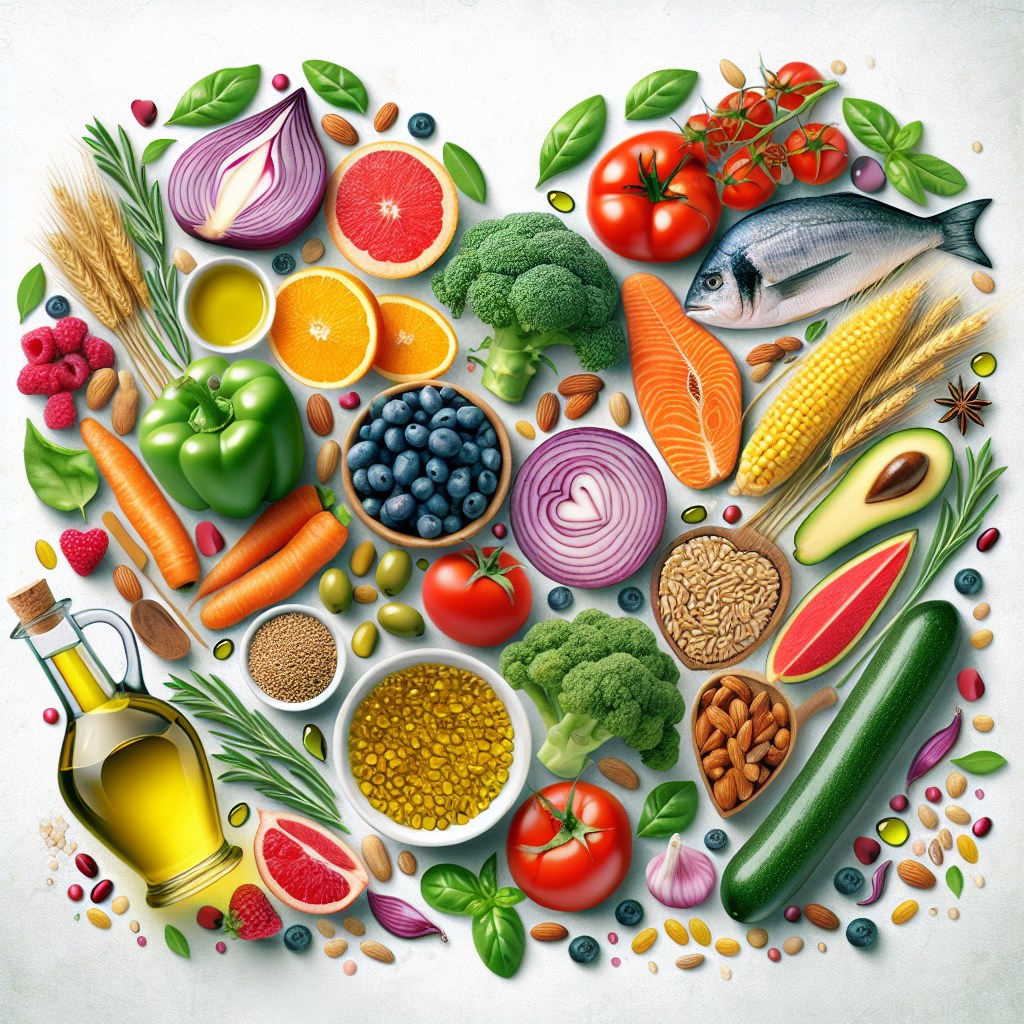
Introduction to the Mediterranean Diet
The Mediterranean diet is more than just a diet; it’s a lifestyle that has been cherished for centuries in countries bordering the Mediterranean Sea. Its foundation is built on the traditional eating habits of regions like Greece, Southern Italy, and Spain, where people have historically enjoyed long, healthy lives. The diet emphasizes whole foods, healthy fats, and a balanced approach to nutrition, making it an appealing choice for those seeking to improve their heart health.
Core Components of the Mediterranean Diet
At the heart of the Mediterranean diet are foods that are minimally processed and rich in essential nutrients. Here are the core components that define this dietary pattern:
Fruits and Vegetables
A cornerstone of the Mediterranean diet is the abundant consumption of fruits and vegetables. These foods are packed with vitamins, minerals, and antioxidants, all of which contribute to overall health and heart disease prevention.
Whole Grains
Whole grains like quinoa, barley, and whole wheat bread are preferred over refined grains. They provide fiber, which is crucial for maintaining healthy cholesterol levels and supporting heart health.
Healthy Fats
The Mediterranean diet includes healthy fats from sources such as olive oil, nuts, and avocados. These fats are rich in monounsaturated and polyunsaturated fatty acids, which have been shown to improve cardiovascular health.
Lean Proteins
While the diet is not heavy in meat, it does include moderate amounts of fish and poultry. Fish, particularly fatty fish like salmon and sardines, are excellent sources of omega-3 fatty acids, which are known to support heart health.
Limited Red Meat and Sweets
Red meat and sweets are consumed sparingly in the Mediterranean diet. When red meat is eaten, it’s typically in small portions, with an emphasis on lean cuts.
The Mediterranean Diet and Heart Health
Numerous studies have highlighted the positive impact of the Mediterranean diet on heart health. Let’s explore how this diet contributes to cardiovascular wellness:
Reduction in Risk Factors
The Mediterranean diet helps in reducing several cardiovascular risk factors, including high blood pressure, high cholesterol levels, and obesity. The abundance of fruits, vegetables, and whole grains provides essential nutrients and fiber, aiding in weight management and improving lipid profiles.
Anti-inflammatory Properties
Chronic inflammation is a known contributor to heart disease. The Mediterranean diet’s inclusion of foods rich in antioxidants, such as fruits, vegetables, and olive oil, helps reduce inflammation in the body, thereby lowering the risk of heart-related issues.
Improved Lipid Profiles
Regular consumption of healthy fats, especially those from olive oil and fish, leads to improved lipid profiles. This includes lowering LDL (bad) cholesterol and increasing HDL (good) cholesterol levels, both of which are crucial for maintaining heart health.
Blood Sugar Control
The Mediterranean diet promotes stable blood sugar levels due to its emphasis on whole grains and fiber-rich foods. This is particularly beneficial for individuals with diabetes or those at risk of developing the condition, as it helps prevent blood sugar spikes and maintains cardiovascular health.
Scientific Evidence Supporting the Mediterranean Diet
The health benefits of the Mediterranean diet are backed by extensive scientific research. Let’s delve into some key studies that highlight its positive effects on heart health:
The PREDIMED Study
The PREDIMED (Prevención con Dieta Mediterránea) study, conducted in Spain, is one of the most significant trials examining the effects of the Mediterranean diet on heart health. The study involved over 7,000 participants at high risk of cardiovascular disease and demonstrated a significant reduction in the incidence of major cardiovascular events among those following the Mediterranean diet.
The Lyon Heart Study
Another notable study, the Lyon Heart Study, compared the effects of a Mediterranean-style diet with a standard Western diet in individuals who had survived a heart attack. The results showed a substantial reduction in cardiac deaths and recurrent heart attacks among those adhering to the Mediterranean diet, highlighting its potential as a secondary prevention strategy.
Mediterranean Diet Score
Researchers have developed a Mediterranean Diet Score to quantify adherence to the diet. Higher scores are consistently associated with a lower risk of heart disease, reinforcing the diet’s role in promoting cardiovascular health.
Implementing the Mediterranean Diet in Daily Life
Adopting the Mediterranean diet is not only beneficial but also enjoyable. Here are some practical tips for integrating this heart-healthy diet into your daily life:
Plan Your Meals Around Plant-Based Foods
Make fruits, vegetables, whole grains, and legumes the focal point of your meals. Experiment with colorful salads, hearty vegetable soups, and whole-grain dishes to ensure a variety of nutrients.
Embrace Olive Oil
Use olive oil as your primary cooking fat and salad dressing. Its rich flavor enhances dishes while providing heart-healthy monounsaturated fats.
Include Fish Regularly
Aim to consume fish at least twice a week. Grilled, baked, or steamed fish dishes can be delicious and are an excellent source of omega-3 fatty acids.
Snack on Nuts and Seeds
Replace unhealthy snacks with a handful of nuts or seeds. They provide healthy fats and are a satisfying and nutrient-dense option.
Moderate Dairy and Wine Consumption
Moderate consumption of dairy products, such as yogurt and cheese, is part of the Mediterranean diet. Additionally, a small glass of red wine with meals is a cultural tradition in some Mediterranean countries and may offer heart health benefits when consumed in moderation.
Conclusion
The Mediterranean diet is a time-tested approach to eating that offers numerous benefits for heart health. Its emphasis on whole, nutrient-dense foods, healthy fats, and balanced nutrition can significantly reduce the risk of cardiovascular disease. By making simple yet impactful changes to your diet and lifestyle, you can harness the power of the Mediterranean diet to support your heart and overall well-being. Embrace this lifestyle, savor its delicious flavors, and enjoy the journey to a healthier heart.











Add comment