Introduction
In the quest for maintaining a healthy lifestyle, many individuals are constantly on the lookout for ways to enjoy satisfying meals without racking up excessive calories. High-volume, low-calorie foods offer a perfect solution by allowing you to eat more while consuming fewer calories. This approach not only aids in weight management but also supports overall health by providing essential nutrients. This article delves into the concept of high-volume, low-calorie foods, exploring their benefits, types, and practical ways to incorporate them into your daily meals.
Understanding High-Volume, Low-Calorie Foods
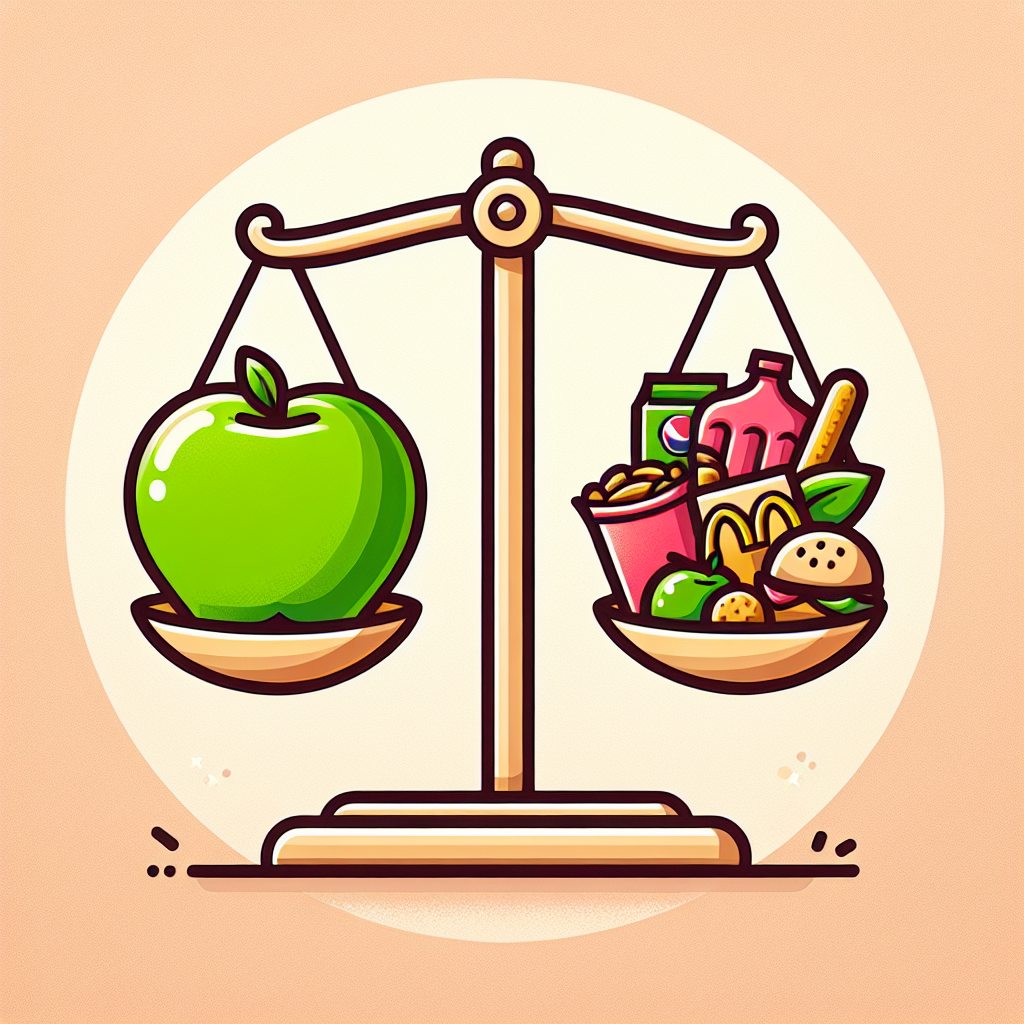
High-volume, low-calorie foods are those that provide a substantial amount of food for a relatively small calorie count. These foods are typically high in water and fiber, which add bulk to the food without adding significant calories. This bulkiness can help you feel full and satisfied, reducing the likelihood of overeating and aiding in weight loss or maintenance.
The Science Behind Satiety
Satiety is the feeling of fullness and satisfaction that follows eating. The physical volume of food, energy density, and nutrient composition all play crucial roles in how our bodies perceive satiety. High-volume foods tend to slow gastric emptying and increase stretch in the stomach, signaling the brain that you’re full. Foods low in calorie density, which means they have fewer calories per gram, are particularly effective in promoting satiety.
The Role of Fiber and Water
Fiber and water are pivotal in high-volume, low-calorie foods. Fiber, which is found in fruits, vegetables, whole grains, and legumes, not only adds bulk but also takes longer to digest, keeping you full for extended periods. Water-rich foods, such as cucumbers, watermelon, and zucchinis, contribute to volume without adding calories, making them ideal choices for those looking to manage their calorie intake.
Benefits of High-Volume, Low-Calorie Foods
Weight Management
One of the most significant benefits of consuming high-volume, low-calorie foods is their role in weight management. By eating these foods, you can enjoy larger portions that satisfy hunger without exceeding your calorie goals. This can help prevent weight gain and support weight loss efforts.
Nutrient Density
High-volume, low-calorie foods are often nutrient-dense, meaning they provide a wealth of vitamins, minerals, and antioxidants. This nutrient density supports overall health, boosts the immune system, and can reduce the risk of chronic diseases.
Improved Digestion
The high fiber content in many of these foods promotes regular bowel movements and aids digestion. A fiber-rich diet can help prevent constipation, maintain bowel health, and might reduce the risk of developing conditions like diverticulitis.
Reduced Risk of Chronic Diseases
Diets rich in fruits, vegetables, and whole grains have been linked to a reduced risk of several chronic diseases, including heart disease, diabetes, and certain cancers. The antioxidants in these foods help combat oxidative stress and inflammation, contributing to long-term health.
Types of High-Volume, Low-Calorie Foods
Fruits and Vegetables
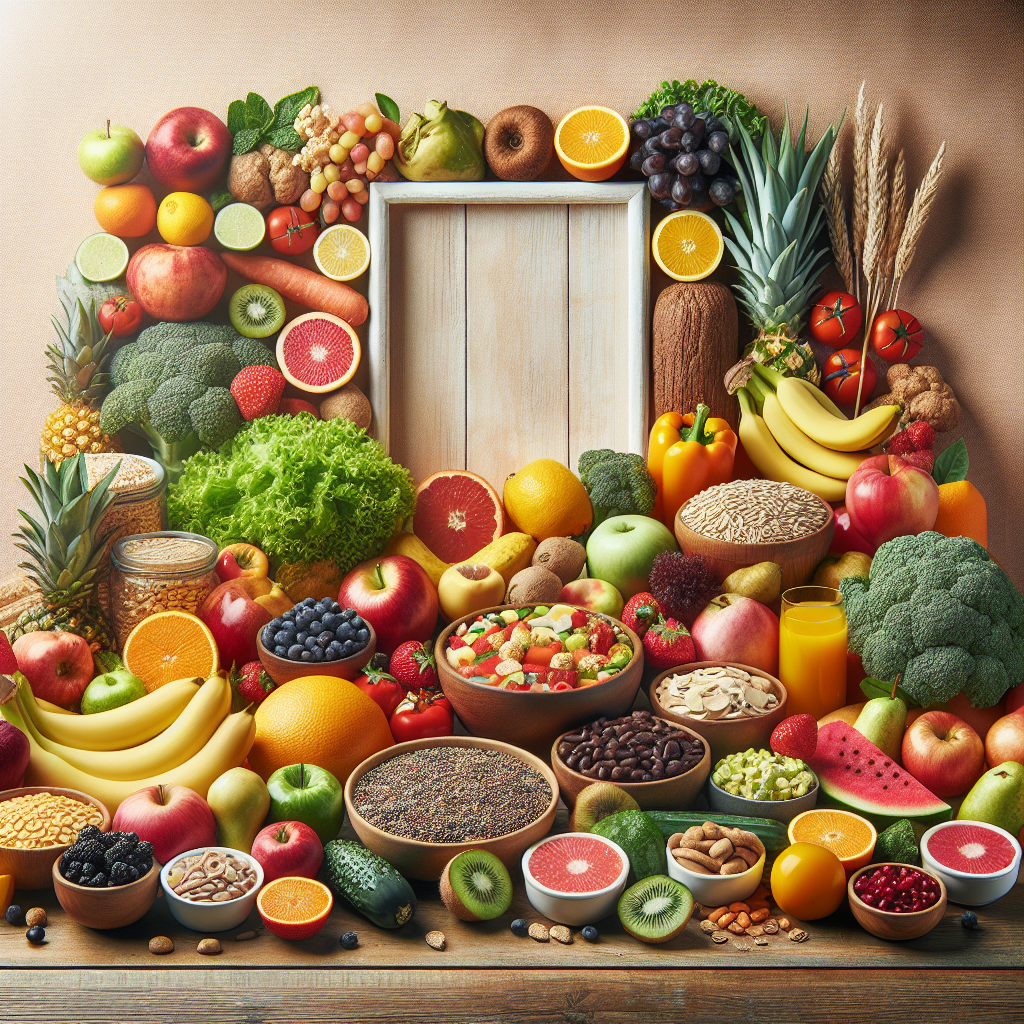
Fruits and vegetables are quintessential high-volume, low-calorie foods. They are loaded with water and fiber and offer a wide range of flavors and textures. Leafy greens like spinach and kale, cruciferous vegetables like broccoli and cauliflower, and fruits like berries and melons are excellent choices.
Whole Grains
Whole grains such as oats, quinoa, and brown rice are not only filling but also packed with nutrients. They provide sustained energy and can be incorporated into meals in various ways, from breakfast porridges to side dishes.
Legumes
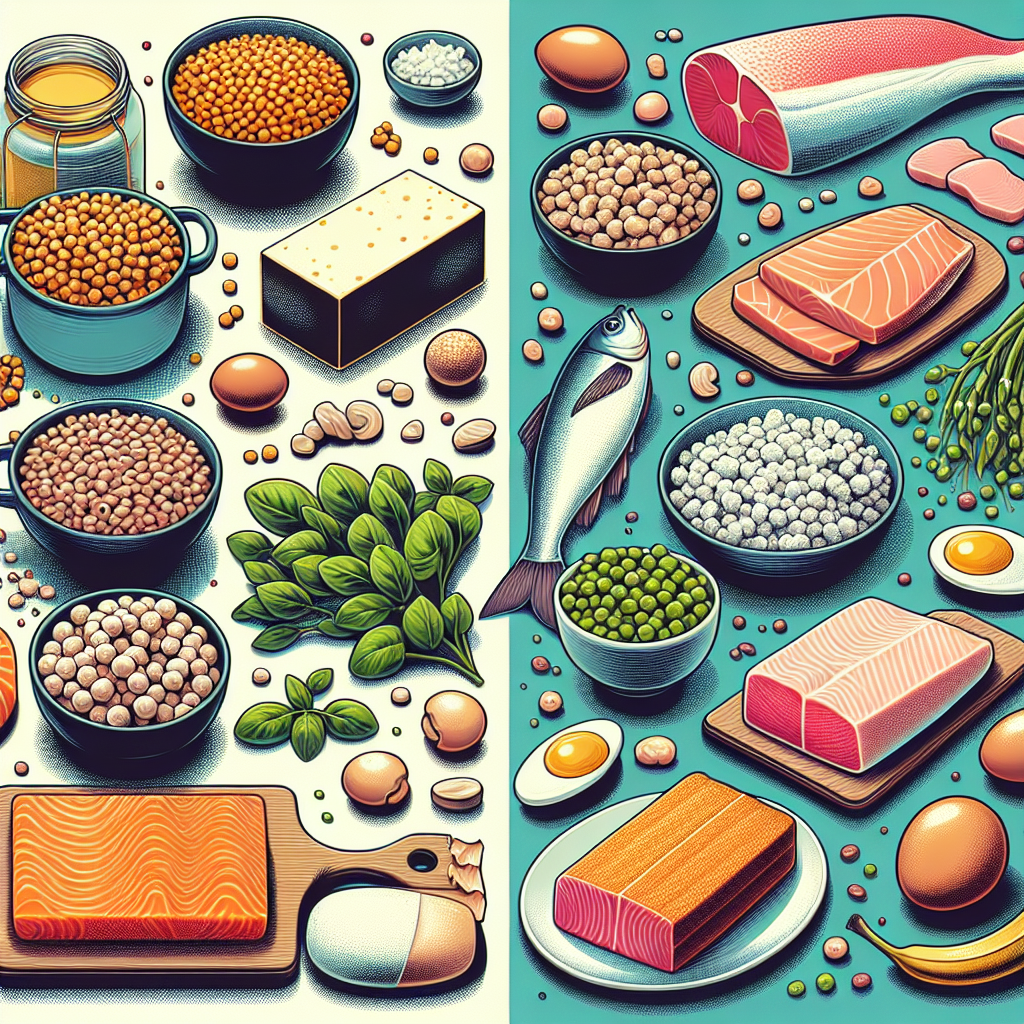
Beans, lentils, and chickpeas are high in protein and fiber, making them incredibly satisfying. These legumes can be used in salads, soups, and stews, adding volume and texture to your meals.
Soups and Broths
Soups and broths, particularly those made with vegetables, are excellent high-volume, low-calorie options. They can be enjoyed as starters or main courses, providing warmth and satiety without a hefty calorie load.
Incorporating High-Volume, Low-Calorie Foods into Your Diet
Start with a Salad
Begin your meals with a large salad filled with leafy greens, colorful vegetables, and a light dressing. This can help you eat fewer calories overall by filling you up before the main course.
Swap Ingredients
Replace high-calorie ingredients with low-calorie alternatives. For instance, use zucchini noodles instead of pasta or cauliflower rice instead of white rice. These swaps can significantly reduce the calorie content of a meal without sacrificing volume.
Snack Smartly
Choose snacks that are high in volume but low in calories. Air-popped popcorn, raw veggies with hummus, or a fruit salad are excellent options that keep you full between meals.
Include Protein and Healthy Fats
While focusing on high-volume, low-calorie foods, do not neglect the inclusion of proteins and healthy fats. Adding lean protein sources like chicken or tofu and healthy fats from avocados or nuts can enhance satiety and nutritional balance.
Sample Meal Plan
Here is a sample daily meal plan incorporating high-volume, low-calorie foods:
Breakfast
– Overnight oats made with almond milk, topped with fresh berries and a sprinkle of chia seeds.
– A smoothie with spinach, banana, and a small amount of protein powder.
Lunch
– A large mixed salad with kale, cherry tomatoes, cucumbers, chickpeas, and a lemon-tahini dressing.
– A side of vegetable soup or broth.
Dinner
– Grilled chicken breast served with roasted vegetables such as bell peppers, zucchini, and asparagus.
– A quinoa salad with herbs, diced tomatoes, and a squeeze of lime.
Snacks
– Sliced apple with almond butter.
– Carrot and celery sticks with hummus.
Conclusion
Maximizing meals with high-volume, low-calorie foods is a practical and effective strategy for those looking to manage their weight and improve their overall health. By prioritizing foods that offer satiety, nutrient density, and lower calorie counts, you can enjoy satisfying meals that support your wellness goals. Incorporate a variety of fruits, vegetables, whole grains, and legumes into your diet, and experiment with different recipes and meal ideas to keep your dining experience enjoyable and fulfilling. Adopting this approach not only aids in weight management but also enhances your overall quality of life by promoting better health and vitality.










Add comment