
Introduction
In the pursuit of weight loss, the concept of a low-calorie meal plan often emerges as a cornerstone strategy. The rationale is simple: consuming fewer calories than you expend leads to weight loss. However, the key to success lies in crafting a diet plan that is not only low in calories but also nutrient-dense and satisfying. This article explores a transformative low-calorie meal plan designed to facilitate weight loss, promoting health while ensuring you feel full and energized.
The Science Behind Low-Calorie Diets
A low-calorie diet primarily focuses on reducing caloric intake while maintaining adequate nutrition. The fundamental principle of weight loss is creating a calorie deficit, where the body burns more calories than it consumes. A deficit of approximately 500 to 1000 calories per day can lead to a safe weight loss of about 1 to 2 pounds per week. However, it’s crucial to ensure that the diet is well-balanced to prevent nutritional deficiencies and maintain muscle mass.
Setting the Foundation: Understanding Your Caloric Needs
Before embarking on a low-calorie meal plan, it’s important to understand your individual caloric needs. This involves calculating your Basal Metabolic Rate (BMR) and factoring in your physical activity level to determine your Total Daily Energy Expenditure (TDEE). Numerous online calculators can assist in estimating these values. Once you have this figure, you can tailor your calorie deficit accordingly.
Calculating Your BMR
The BMR can be calculated using the Harris-Benedict equation, which takes into account your age, gender, weight, and height. For instance, the equation for men is:
BMR = 88.362 + (13.397 x weight in kg) + (4.799 x height in cm) – (5.677 x age in years)
For women, the equation is:
BMR = 447.593 + (9.247 x weight in kg) + (3.098 x height in cm) – (4.330 x age in years)
Understanding Your TDEE
Once you have your BMR, multiply it by an activity factor to get your TDEE. This factor ranges from 1.2 (sedentary) to 1.9 (very active). The TDEE represents the number of calories you need to maintain your current weight.
Crafting a Low-Calorie Meal Plan
Creating a low-calorie meal plan involves a strategic approach to food selection, focusing on nutrient-dense foods that are low in calories but high in essential nutrients. Here are key components to consider when crafting your meal plan:
Emphasizing Whole Foods
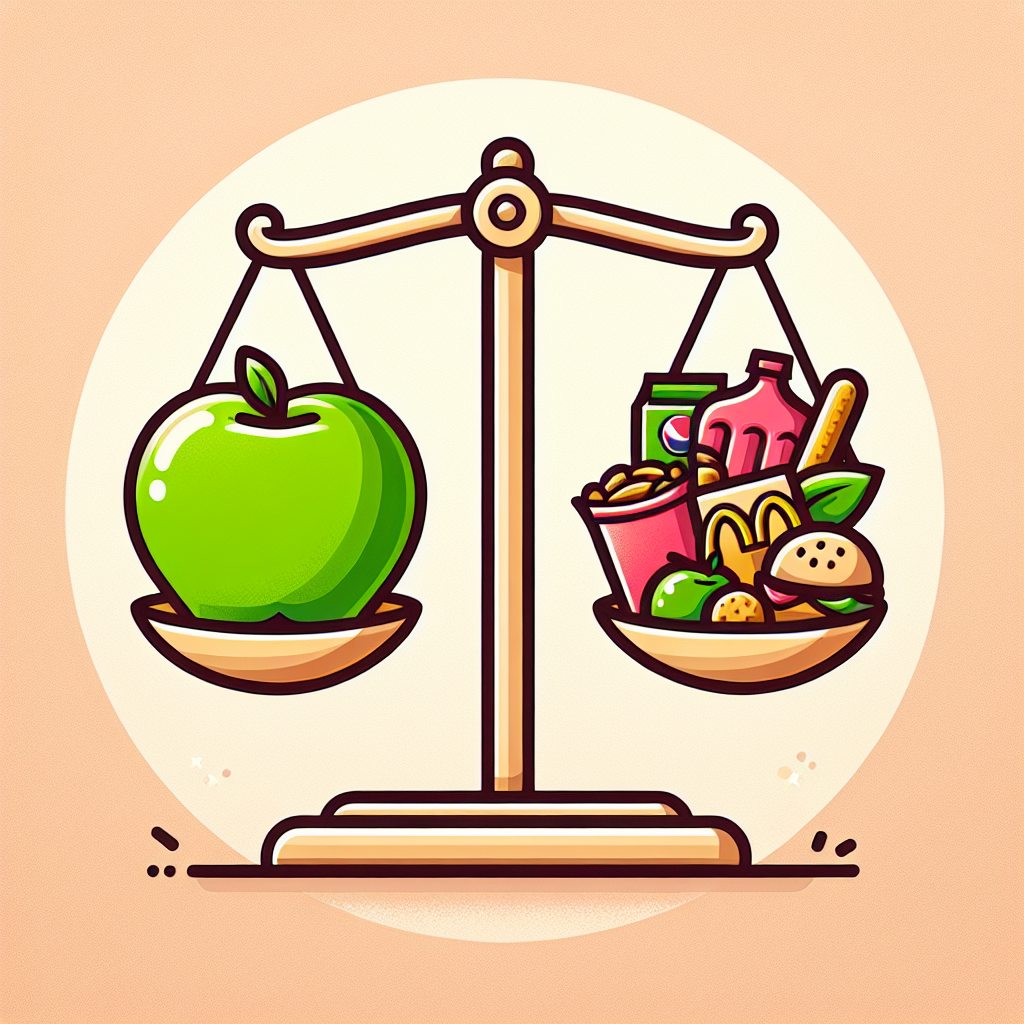
Whole foods such as fruits, vegetables, lean proteins, and whole grains should form the backbone of your low-calorie diet. These foods are naturally lower in calories compared to processed foods and are rich in vitamins, minerals, and fiber, which aid in satiety and overall health.
Incorporating Lean Proteins
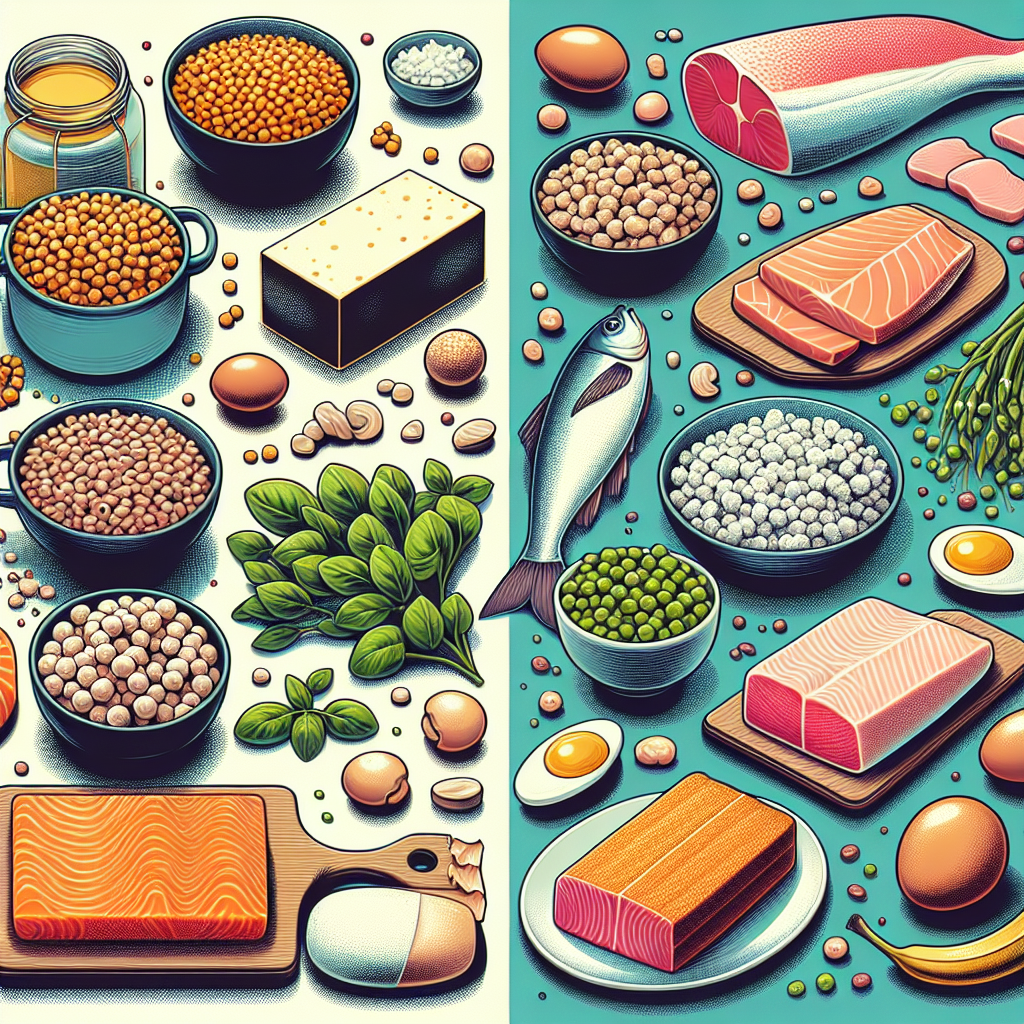
Proteins are crucial for building and repairing tissues and play a significant role in weight loss by promoting fullness and preserving muscle mass. Opt for lean sources such as chicken breast, turkey, fish, tofu, and legumes to minimize calorie intake.
Prioritizing Fiber-Rich Foods
Fiber is a vital component of a low-calorie diet as it promotes satiety and aids in digestion. Foods high in fiber include fruits, vegetables, whole grains, and legumes. Incorporating these into your meals can help control hunger and improve digestive health.
Limiting Added Sugars and Fats
Reducing the intake of added sugars and unhealthy fats is crucial in lowering calorie consumption. Opt for natural sweeteners like honey or stevia and choose healthy fats such as avocados, nuts, and olive oil in moderation.
A Sample Low-Calorie Meal Plan
Below is a sample meal plan aimed at providing balanced nutrition while maintaining a low calorie count:
Breakfast
- Oatmeal topped with berries and a teaspoon of honey
- A boiled egg for added protein
- Green tea or black coffee
Mid-Morning Snack
- A small apple or a banana
- Handful of almonds or walnuts
Lunch
- Grilled chicken salad with mixed greens, cherry tomatoes, cucumbers, and a light vinaigrette dressing
- A serving of quinoa or brown rice
Afternoon Snack
- Carrot sticks or celery with hummus
- A small yogurt or a protein shake
Dinner
- Baked salmon or tofu with steamed broccoli and asparagus
- A small serving of whole grain pasta or a baked sweet potato
Evening Snack
- Herbal tea with a piece of dark chocolate (70% cocoa or higher)
Tips for Sustaining a Low-Calorie Diet
Adopting a low-calorie diet for weight loss is not just about changing what you eat but also about embracing a sustainable lifestyle. Here are some tips to help you stay on track:
Stay Hydrated
Drinking plenty of water is essential for overall health and can help control hunger. Sometimes, the body confuses thirst with hunger, so staying hydrated can prevent unnecessary snacking.
Practice Mindful Eating
Mindful eating involves paying attention to your hunger cues and savoring each bite, which can help prevent overeating. Avoid distractions like TV or smartphones during meals to focus on your food.
Plan and Prepare Meals
Planning and preparing meals in advance can help you avoid impulsive eating and ensure you have healthy, low-calorie options readily available. Batch cooking and meal prepping can save time and keep you on track.
Seek Support
Engaging with a support system, whether it’s friends, family, or an online community, can provide motivation and accountability. Sharing your journey with others can make the process more enjoyable and sustainable.
Conclusion
A transformative low-calorie meal plan for weight loss is about more than just cutting calories; it’s about embracing a lifestyle that prioritizes health and well-being. By understanding your caloric needs, choosing nutrient-dense foods, and adopting sustainable habits, you can achieve your weight loss goals while nourishing your body. Remember, the journey to weight loss is individual, and finding what works best for you is key to long-term success.











Add comment