Introduction to the Paleo Diet
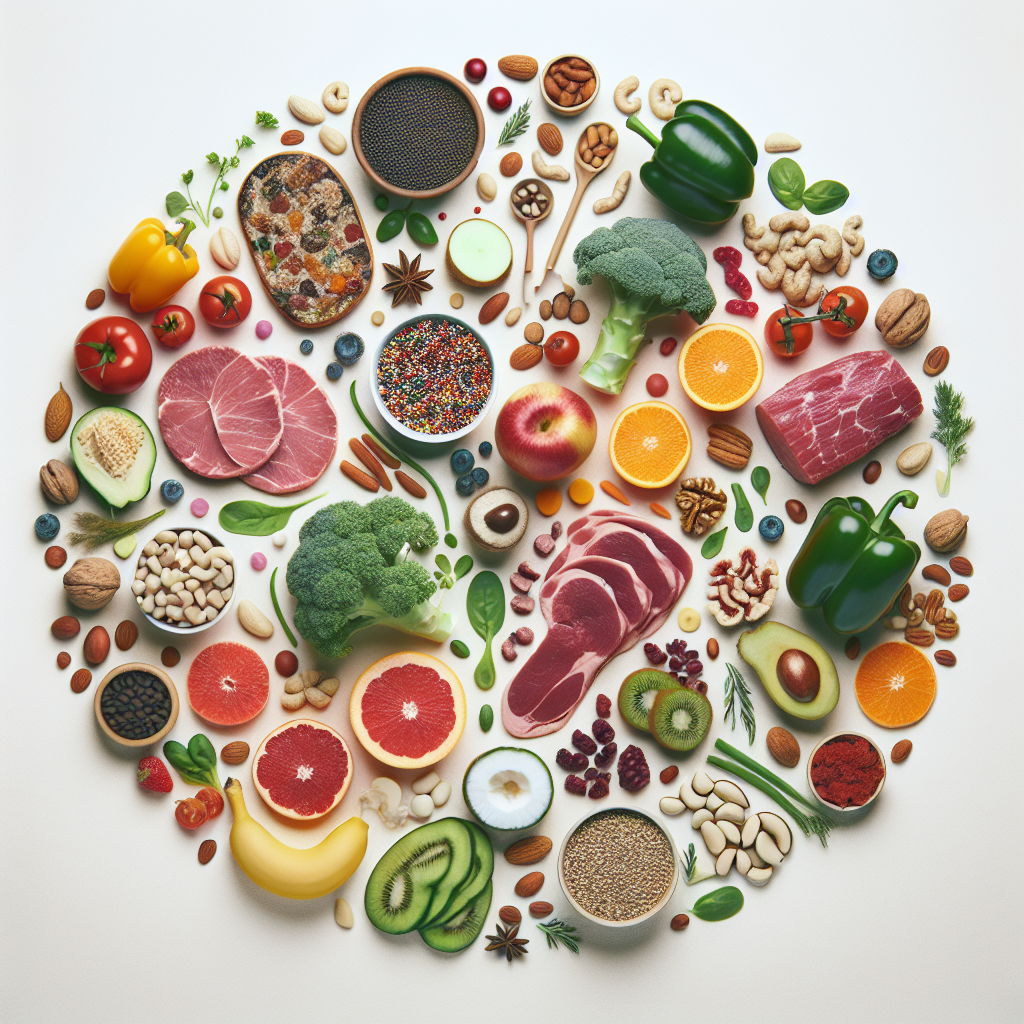
The concept of the Paleo diet is rooted in the idea of eating in a way that mirrors the dietary habits of our Paleolithic ancestors. The diet emphasizes whole, unprocessed foods that were available to hunter-gatherers during the Stone Age, approximately 2.5 million to 10,000 years ago. The modern Paleo diet is designed to promote optimal health by focusing on nutrient-dense foods while eliminating processed foods, grains, legumes, and dairy.
The Principles of the Paleo Diet
The Paleo diet is based on a few core principles that guide food choices and meal planning:
- Whole Foods: Emphasize whole, unprocessed foods such as fresh fruits, vegetables, nuts, seeds, and lean meats.
- No Processed Foods: Avoid foods that have been heavily processed or contain artificial additives.
- High Protein Intake: Focus on consuming high-quality protein sources like grass-fed meats, free-range poultry, and wild-caught fish.
- Healthy Fats: Include healthy fats from sources like avocados, nuts, and coconut oil.
- No Grains or Legumes: Eliminate grains such as wheat, rice, and corn, as well as legumes like beans and lentils.
- No Dairy: Avoid all forms of dairy, opting instead for non-dairy alternatives.
Benefits of the Paleo Diet
Adopting a Paleo diet can offer numerous health benefits, including:
- Improved Blood Sugar Control: By eliminating refined sugars and processed foods, the Paleo diet can help stabilize blood sugar levels.
- Weight Loss: The focus on whole foods and high protein intake can promote satiety and reduce overall calorie intake, aiding in weight loss.
- Reduced Inflammation: The diet’s emphasis on anti-inflammatory foods like fruits, vegetables, and healthy fats can help reduce chronic inflammation.
- Improved Digestive Health: By eliminating grains and legumes, the diet may improve gut health and alleviate digestive issues.
- Enhanced Heart Health: The inclusion of healthy fats and lean proteins can support cardiovascular health.
Building a Paleo Meal Plan
Creating a Paleo meal plan involves selecting nutrient-dense foods and planning meals that align with the diet’s principles. Here’s a step-by-step guide to constructing a balanced Paleo meal plan:
1. Focus on Protein
Ensure each meal includes a substantial source of protein. Options include:
- Grass-fed beef
- Free-range chicken and turkey
- Wild-caught fish such as salmon, mackerel, and sardines
- Pork, lamb, and other pasture-raised meats
- Eggs from pasture-raised hens
2. Incorporate a Variety of Vegetables
Vegetables should make up a large portion of your plate. Aim to include a wide array of colors and types, such as:
- Leafy greens like spinach, kale, and Swiss chard
- Cruciferous vegetables like broccoli, cauliflower, and Brussels sprouts
- Root vegetables like carrots, sweet potatoes, and beets
- Squash varieties like zucchini and butternut squash
- Peppers, tomatoes, and asparagus
3. Add Healthy Fats
Incorporate healthy fats into each meal to enhance flavor and provide satiety:
- Avocados and avocado oil
- Olives and extra-virgin olive oil
- Nuts and seeds (e.g., almonds, walnuts, chia seeds, flaxseeds)
- Coconut and coconut oil
- Ghee or clarified butter
4. Include Fruits in Moderation
While fruits are nutritious, they should be consumed in moderation due to their natural sugar content. Choose low-glycemic options like:
- Berries (strawberries, blueberries, raspberries)
- Apples and pears
- Citrus fruits (oranges, grapefruits)
- Melons (cantaloupe, honeydew)
5. Plan for Snacks
Prepare healthy snacks to have on hand for when hunger strikes between meals:
- Raw nuts and seeds
- Vegetable sticks with guacamole or hummus (made without legumes)
- Fresh fruit slices
- Beef jerky (ensure it’s sugar-free and preservative-free)
- Hard-boiled eggs
Sample Paleo Meal Plan
Here’s a sample one-day Paleo meal plan to get you started:
Breakfast
– Scrambled eggs with spinach, tomatoes, and bell peppers cooked in coconut oil
– Sliced avocado on the side
– A handful of mixed berries
Lunch
– Grilled chicken breast served on a bed of mixed greens with cherry tomatoes, cucumbers, and red onions
– Drizzled with extra-virgin olive oil and lemon juice
– A small apple
Dinner
– Baked salmon fillet seasoned with herbs and lemon
– Roasted sweet potato wedges
– Steamed broccoli and carrots
Snack
– A small handful of almonds and walnuts
Tips for Success on the Paleo Diet
Transitioning to a Paleo diet can be challenging, but these tips can help you succeed:
- Plan Your Meals: Set aside time each week to plan and prepare your meals, ensuring you always have Paleo-friendly options available.
- Read Labels: Be vigilant about reading food labels to avoid hidden sugars, preservatives, and non-Paleo ingredients.
- Stay Hydrated: Drink plenty of water throughout the day to stay hydrated and support overall health.
- Listen to Your Body: Pay attention to how different foods make you feel and adjust your diet accordingly.
- Be Flexible: While the Paleo diet provides a solid framework, it’s important to be flexible and adapt it to suit your individual needs and preferences.
Potential Challenges and Considerations
While the Paleo diet offers many benefits, it may not be suitable for everyone. Consider the following challenges:
- Nutrient Deficiencies: The exclusion of certain food groups, such as grains and legumes, may lead to nutrient deficiencies if not carefully managed.
- Social Situations: Eating out or attending social gatherings may be challenging due to limited Paleo-friendly options.
- Initial Adjustment Period: Some individuals may experience fatigue, cravings, or digestive changes when transitioning to a Paleo diet.
Conclusion
The Paleo diet is a lifestyle choice that encourages eating whole, nutrient-dense foods while avoiding processed and inflammatory foods. By adopting a Paleo meal plan, you can potentially transform your health, improve digestion, and achieve sustainable weight loss. With careful planning and a focus on variety, the Paleo diet can be a fulfilling and health-promoting way of eating.











Add comment