Introduction
Embarking on a weight loss journey can be both exciting and challenging. For vegetarians, the challenge may feel even greater due to misconceptions about protein sources and nutritional balance. However, with careful planning and mindful choices, a vegetarian diet can be an effective means to achieve healthy weight loss. This comprehensive guide outlines an effective vegetarian meal plan tailored for weight loss, focusing on nutrient-dense foods, portion control, and balanced nutrition.
Understanding the Basics of Weight Loss
Before delving into meal planning, it is crucial to understand the basics of weight loss. Fundamentally, weight loss occurs when you consume fewer calories than you burn. This calorie deficit forces the body to use stored fat as energy, leading to weight loss over time. However, the quality of calories consumed also plays a critical role. A diet rich in whole, minimally processed foods supports not only weight loss but also overall health and well-being.
The Importance of a Balanced Vegetarian Diet
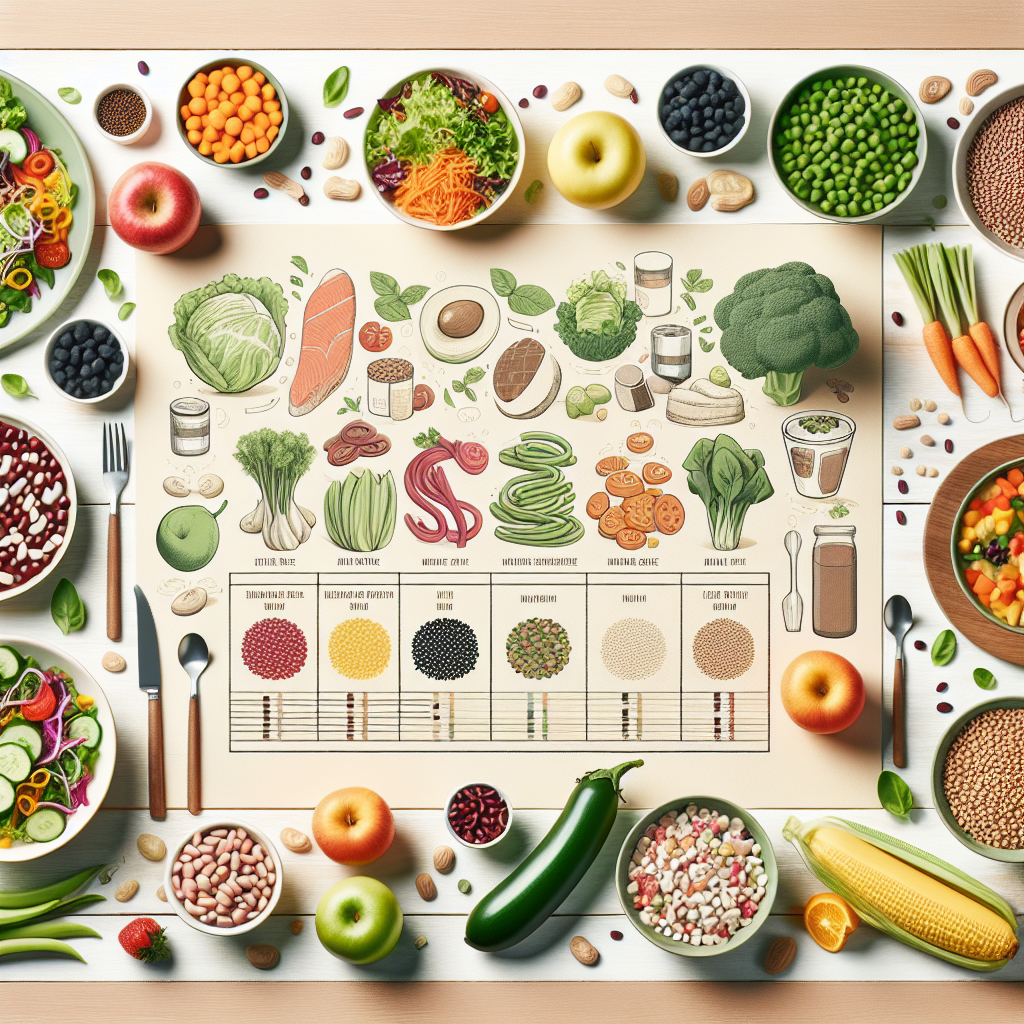
A well-balanced vegetarian diet includes a variety of foods to ensure that all essential nutrients are consumed. Key components include:
- Proteins: Essential for muscle maintenance and metabolic functions. Sources include legumes, tofu, tempeh, seitan, eggs, and dairy products.
- Carbohydrates: Preferably from whole grains, fruits, and vegetables, providing energy and fiber.
- Fats: Healthy fats from nuts, seeds, avocados, and olive oil are crucial for hormone production and nutrient absorption.
- Vitamins and Minerals: Adequate intake of vitamins and minerals is crucial for metabolic functions and overall health.
Designing an Effective Vegetarian Meal Plan
An effective vegetarian meal plan for weight loss focuses on nutrient density and portion control. Below is a sample plan that balances these elements across three meals and two snacks per day.
Breakfast
Option 1: Overnight Oats
Ingredients: ½ cup rolled oats, 1 cup almond milk, 1 tbsp chia seeds, ½ banana, and a handful of berries.
Preparation: Mix oats, almond milk, and chia seeds in a jar. Refrigerate overnight. Add banana and berries in the morning.
Nutritional Benefits: High in fiber and complex carbohydrates, providing sustained energy and promoting fullness.
Option 2: Vegetable Omelet
Ingredients: 2 eggs, ½ cup spinach, ¼ bell pepper, ¼ onion, and a sprinkle of cheese.
Preparation: Beat eggs and pour into a non-stick skillet. Add vegetables and cook until edges firm up. Sprinkle cheese before folding.
Nutritional Benefits: High in protein and packed with vitamins and minerals from the vegetables.
Lunch
Option 1: Lentil Salad
Ingredients: 1 cup cooked lentils, ½ cucumber, ½ tomato, ¼ red onion, 2 tbsp lemon juice, and a handful of parsley.
Preparation: Mix all ingredients in a bowl. Dress with lemon juice and season with salt and pepper.
Nutritional Benefits: Lentils are high in protein and fiber, keeping you full and satisfied.
Option 2: Quinoa and Black Bean Bowl
Ingredients: 1 cup cooked quinoa, ½ cup black beans, ¼ avocado, salsa, and a squeeze of lime.
Preparation: Combine quinoa, beans, and avocado in a bowl. Top with salsa and lime juice.
Nutritional Benefits: A balanced meal with protein, healthy fats, and complex carbs.
Dinner
Option 1: Stir-Fried Tofu and Vegetables
Ingredients: ½ block tofu, 1 cup mixed vegetables (broccoli, bell peppers, carrots), soy sauce, and garlic.
Preparation: Sauté garlic in a pan, add tofu and vegetables, and stir-fry with soy sauce until cooked.
Nutritional Benefits: High in protein and fiber, with a variety of vitamins and minerals from the vegetables.
Option 2: Zucchini Noodles with Tomato Sauce
Ingredients: 2 zucchinis, 1 cup tomato sauce, basil, and parmesan cheese.
Preparation: Spiralize zucchinis and sauté briefly. Top with tomato sauce, basil, and cheese.
Nutritional Benefits: Low in calories and carbs, rich in vitamins and antioxidants.
Snacks
Option 1: Greek Yogurt with Berries
Ingredients: 1 cup Greek yogurt and a handful of berries.
Nutritional Benefits: High in protein and probiotics, promoting gut health and satiety.
Option 2: Hummus with Carrot Sticks
Ingredients: ¼ cup hummus and carrot sticks.
Nutritional Benefits: Provides healthy fats and fiber, promoting fullness and energy.
Tips for Success
To maximize the effectiveness of this meal plan, consider the following tips:
- Stay Hydrated: Drink plenty of water throughout the day to support metabolism and reduce hunger.
- Practice Mindful Eating: Pay attention to hunger cues and eat slowly to promote satisfaction and prevent overeating.
- Incorporate Physical Activity: Regular exercise enhances weight loss by increasing calorie expenditure and preserving lean muscle mass.
- Monitor Portion Sizes: Use measuring cups or a kitchen scale to ensure appropriate portion sizes.
- Plan Meals Ahead: Meal prep in advance to avoid last-minute unhealthy choices.
Overcoming Common Challenges
Transitioning to a vegetarian meal plan for weight loss may present some challenges. Here are strategies to overcome common obstacles:
- Protein Concerns: If worried about protein intake, be sure to include a variety of protein-rich foods in each meal. Consider supplementing with plant-based protein powders if necessary.
- Cravings for Non-Vegetarian Foods: Experiment with plant-based substitutes for meat, such as jackfruit, lentils, or mushrooms to mimic texture and flavor.
- Social Eating Situations: Plan ahead by checking menus in advance or offer to bring a vegetarian dish to share.
Conclusion
A vegetarian meal plan can be an effective and sustainable approach to weight loss when it is well-balanced and thoughtfully planned. By focusing on nutrient-dense foods, controlling portion sizes, and incorporating regular physical activity, vegetarians can achieve their weight loss goals while enjoying a variety of delicious and satisfying meals. Remember that every individual’s nutritional needs are unique, so it may be beneficial to consult with a healthcare professional or registered dietitian to tailor the plan to your specific needs and preferences.









Add comment