
Introduction to the Paleo Diet
The Paleo Diet, also known as the Paleolithic or Caveman Diet, is a nutritional approach that seeks to emulate the dietary patterns of our distant ancestors from the Paleolithic era. The premise is simple: if our forebears didn’t eat it, neither should we. This diet focuses on consuming whole, unprocessed foods that were available to early humans, such as meats, fish, vegetables, fruits, nuts, and seeds. By eliminating modern processed foods and emphasizing natural sustenance, the Paleo Diet aims to improve health, enhance energy levels, and promote weight loss.
The Philosophy Behind the Paleo Diet
To understand the Paleo Diet, it’s essential to grasp its foundational philosophy. The diet is based on the concept of evolutionary nutrition. Proponents argue that the human body evolved to thrive on the foods that were available during the Paleolithic era, which spanned approximately 2.5 million years before the advent of agriculture around 10,000 years ago. The introduction of agriculture brought grains, dairy, and processed foods into our diets, which some believe led to modern health issues. The Paleo Diet seeks to return to the basics, promoting foods that align with our genetic makeup and purportedly reducing the risk of chronic diseases.
Benefits of the Paleo Diet
The Paleo Diet is associated with several potential health benefits:
1. **Weight Loss**: By eliminating processed foods and focusing on nutrient-dense options, many people find it easier to lose weight and maintain a healthy weight on the Paleo Diet.
2. **Improved Digestion**: Removing grains and legumes, which can be difficult for some people to digest, often leads to improved gut health and reduced bloating.
3. **Increased Energy Levels**: The emphasis on whole foods and healthy fats provides a steady source of energy, preventing the blood sugar spikes and crashes associated with high-carb diets.
4. **Reduced Inflammation**: The diet’s focus on anti-inflammatory foods like fish, vegetables, and healthy fats may help reduce inflammation, which is linked to various chronic diseases.
5. **Better Blood Sugar Control**: By eliminating refined sugars and grains, the Paleo Diet can help regulate insulin levels and reduce the risk of type 2 diabetes.
What to Eat on the Paleo Diet
The Paleo Diet encourages the consumption of the following food groups:
– **Meats and Fish**: Grass-fed beef, free-range poultry, wild-caught fish, and game meats are staples. These protein sources should be lean and free from additives.
– **Vegetables**: A wide variety of vegetables is encouraged, with an emphasis on leafy greens, cruciferous vegetables, and root vegetables.
– **Fruits**: While fruit is included, it should be consumed in moderation due to its natural sugar content. Berries, apples, and citrus fruits are excellent choices.
– **Nuts and Seeds**: Almonds, walnuts, flaxseeds, and chia seeds provide healthy fats and proteins. However, they should be eaten in moderation.
– **Healthy Fats**: Avocados, olive oil, and coconut oil are recommended sources of fat.
– **Herbs and Spices**: These can be used liberally to flavor meals without the need for processed seasonings or sauces.
Foods to Avoid on the Paleo Diet
To adhere to the Paleo Diet, it’s important to avoid certain foods:
– **Grains**: Wheat, rice, oats, and other grains are excluded due to their agricultural origins and potential digestive issues.
– **Legumes**: Beans, lentils, peanuts, and soy products are not allowed, as they contain compounds that some believe interfere with nutrient absorption.
– **Dairy**: Milk, cheese, yogurt, and other dairy products are excluded, although some variations of the diet allow for grass-fed butter or ghee.
– **Processed Foods**: Anything with artificial additives, preservatives, or processed sugars should be avoided.
– **Refined Sugars**: White sugar, corn syrup, and artificial sweeteners are not part of the diet.
– **Processed Oils**: Vegetable oils like canola, soybean, and corn oil are discouraged in favor of natural fats.
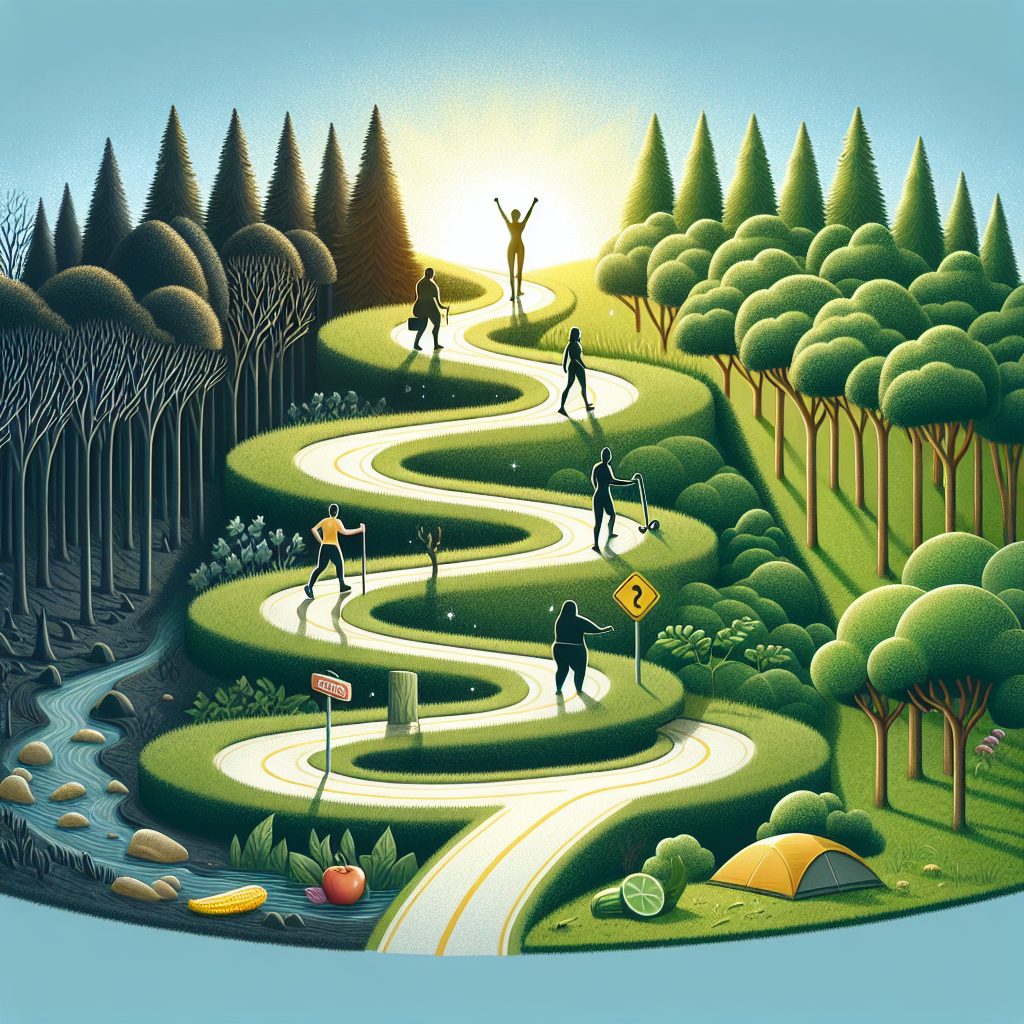
Getting Started with Your Paleo Diet Journey
Starting a Paleo Diet can seem daunting, but with careful planning and a positive mindset, it can be a rewarding lifestyle change. Here are some steps to help you kickstart your journey:
1. Educate Yourself
Before diving in, take the time to educate yourself about the principles of the Paleo Diet. Read books, watch documentaries, and consult reputable online resources. Understanding the diet’s fundamentals will help you make informed choices and stay motivated.
2. Plan Your Meals
Meal planning is crucial for success on the Paleo Diet. Create a weekly meal plan that includes a variety of proteins, vegetables, and healthy fats. Preparing meals in advance can help you avoid the temptation of processed foods and ensure you always have Paleo-friendly options on hand.
3. Stock Your Kitchen
Clear out processed foods and non-Paleo items from your pantry and refrigerator. Stock up on fresh meats, vegetables, fruits, nuts, and seeds. Having a well-stocked kitchen will make it easier to stick to the diet and prepare nutritious meals.
4. Start Gradually
Transitioning to the Paleo Diet doesn’t have to be an overnight process. Start by eliminating one or two non-Paleo food groups at a time. Gradual changes can make the transition more manageable and sustainable in the long run.
5. Experiment with New Recipes
The Paleo Diet doesn’t have to be boring or monotonous. Explore new recipes and cooking techniques to keep your meals exciting and flavorful. There are countless Paleo cookbooks and online resources available to inspire your culinary adventures.
Overcoming Challenges on the Paleo Diet
Like any dietary change, the Paleo Diet comes with its challenges. Here are some common hurdles and how to overcome them:
1. Social Situations
Dining out or attending social gatherings can be challenging when following a strict diet. To navigate these situations, communicate your dietary preferences to hosts or choose restaurants with Paleo-friendly options. Bringing a dish to share can also ensure you have something to enjoy.
2. Cravings and Temptations
Cravings for non-Paleo foods are common, especially in the early stages. Combat cravings by keeping healthy snacks on hand, such as nuts or fruit, and remind yourself of the benefits of sticking to the diet.
3. Nutrient Deficiencies
Excluding certain food groups can lead to nutrient deficiencies if not managed carefully. Ensure you’re getting a wide variety of nutrients by eating diverse foods and considering supplements if necessary. Consult with a healthcare professional if you’re concerned about nutrient intake.
Maintaining Your Paleo Lifestyle
Once you’ve successfully transitioned to the Paleo Diet, maintaining this lifestyle becomes the next goal. Here are some tips to help you stay on track:
– **Stay Informed**: Keep learning about the Paleo Diet and stay updated on new research and recipes. Engaging with online communities or forums can provide support and inspiration.
– **Listen to Your Body**: Pay attention to how your body responds to the diet. Adjust portion sizes and food choices based on your energy levels and overall well-being.
– **Allow Flexibility**: While it’s important to stick to the core principles, occasional flexibility can prevent feelings of deprivation. Some people incorporate an 80/20 approach, where they follow the diet strictly 80% of the time and allow for occasional indulgences.
– **Celebrate Your Progress**: Acknowledge and celebrate your achievements along the way. Whether it’s weight loss, improved energy, or better digestion, recognizing your progress can keep you motivated.
Conclusion
The Paleo Diet offers a compelling approach to nutrition by focusing on whole, unprocessed foods that align with our evolutionary history. By understanding the diet’s principles and benefits, planning meals, and overcoming challenges, you can successfully kickstart your Paleo Diet journey today. Remember, the key to success is education, preparation, and a positive mindset. Embrace this dietary change as an opportunity to improve your health and well-being, and enjoy the journey towards a healthier, more vibrant you.









Add comment