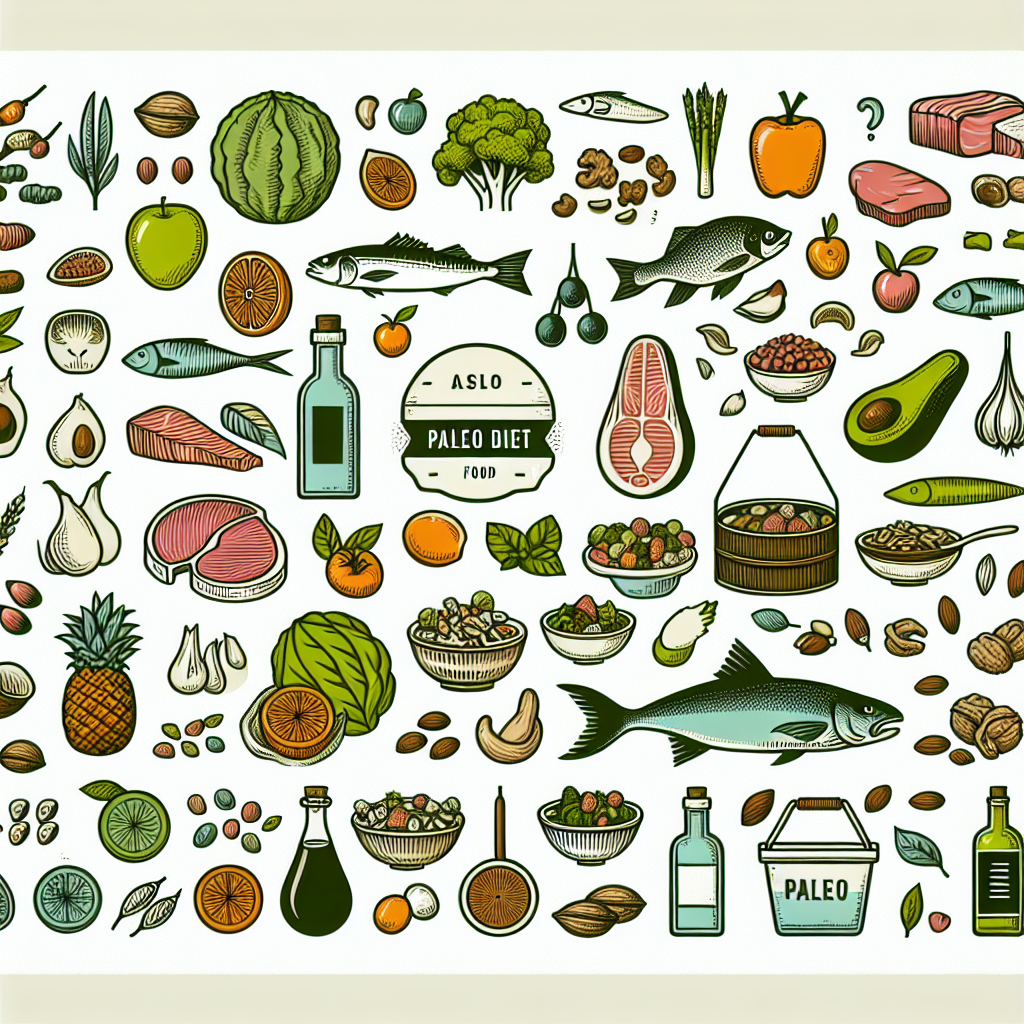
Introduction to the Paleo Diet
The Paleo diet, often referred to as the “caveman diet,” is based on the idea of consuming foods that our Paleolithic ancestors might have eaten. This diet emphasizes whole foods, lean proteins, fruits, vegetables, nuts, and seeds. It aims to promote a healthy lifestyle by eliminating processed foods and focusing on natural, nutrient-rich ingredients.
The Paleo diet has gained popularity due to its potential health benefits, including weight loss, improved blood sugar control, and enhanced overall well-being. In this guide, we’ll explore the essential foods that form the foundation of the Paleo diet.
Lean Proteins
One of the cornerstones of the Paleo diet is lean protein. Our ancestors relied heavily on hunting and gathering, which means meats were a significant part of their diet. Lean proteins are essential for muscle growth, repair, and overall health.
Grass-Fed Meats
Grass-fed meats, such as beef, lamb, and bison, are preferred in the Paleo diet due to their higher nutrient content and healthier fat profile. These meats are rich in omega-3 fatty acids, which are crucial for heart health.
Poultry
Chicken, turkey, and duck are excellent sources of lean protein. Opt for free-range or organic poultry to avoid the hormones and antibiotics often found in conventionally raised birds.
Fish and Seafood
Fish and seafood, especially those rich in omega-3s like salmon, mackerel, and sardines, are vital components of the Paleo diet. They provide essential nutrients, including iodine and selenium, for optimal thyroid function.
Eggs
Eggs are a versatile and nutrient-dense food that fits perfectly into the Paleo diet. They are rich in protein, healthy fats, and essential vitamins and minerals, including choline, which is vital for brain health.
Fruits and Vegetables
Fruits and vegetables form the bulk of the Paleo diet, providing essential vitamins, minerals, and antioxidants. They support overall health and help reduce inflammation.
Leafy Greens
Leafy greens like spinach, kale, and Swiss chard are rich in vitamins A, C, and K, as well as folate and iron. They are low in calories but high in nutrients, making them an ideal choice for a healthy diet.
Berries
Berries, such as blueberries, strawberries, and raspberries, are packed with antioxidants and fiber. They help reduce oxidative stress and inflammation while satisfying sweet cravings.
Cruciferous Vegetables
Broccoli, cauliflower, and Brussels sprouts belong to the cruciferous family and are known for their cancer-fighting properties. They are also high in fiber and vitamins C and K.
Root Vegetables
Root vegetables like sweet potatoes, carrots, and turnips are excellent sources of complex carbohydrates. They provide sustained energy and are rich in essential vitamins like beta-carotene.
Nuts and Seeds
Nuts and seeds are nutrient-dense foods that offer healthy fats, protein, and fiber. They make excellent snacks and add texture and flavor to meals.
Almonds
Almonds are rich in monounsaturated fats, vitamin E, and magnesium. They promote heart health and help regulate blood sugar levels.
Walnuts
Walnuts are an excellent source of omega-3 fatty acids, which are beneficial for brain health. They also contain antioxidants that combat inflammation.
Chia Seeds
Chia seeds are tiny powerhouses of nutrition, providing fiber, protein, and omega-3s. They absorb liquid and form a gel-like consistency, making them perfect for puddings and smoothies.
Pumpkin Seeds
Pumpkin seeds are rich in zinc, magnesium, and healthy fats. They support immune function and promote restful sleep.
Healthy Fats
Healthy fats are a crucial part of the Paleo diet as they provide energy, support brain function, and help absorb fat-soluble vitamins.
Avocado
Avocado is a nutrient-dense fruit rich in monounsaturated fats, fiber, and potassium. It adds creaminess to dishes and is perfect for salads, smoothies, and dips.
Coconut Oil
Coconut oil is a staple in the Paleo diet due to its medium-chain triglycerides (MCTs) that provide quick energy. It’s great for cooking and baking.
Olive Oil
Olive oil is a heart-healthy fat with anti-inflammatory properties. Use it for salad dressings or drizzle over roasted vegetables.
Ghee
Ghee, or clarified butter, is lactose-free and rich in fat-soluble vitamins. It’s ideal for cooking at high temperatures.
Herbs and Spices
Herbs and spices are essential for adding flavor to Paleo meals without the need for processed condiments. They also offer numerous health benefits.
Turmeric
Turmeric is known for its anti-inflammatory and antioxidant properties. It can be used in curries, soups, and teas.
Garlic
Garlic has antimicrobial and immune-boosting properties. It enhances the flavor of savory dishes.
Cinnamon
Cinnamon is a warming spice that may help regulate blood sugar levels. Add it to smoothies, desserts, and coffee.
Ginger
Ginger aids digestion and has anti-inflammatory effects. Use it in stir-fries, teas, and marinades.
Beverages
Staying hydrated is crucial on the Paleo diet. While water is the best choice, there are other beverages that fit within the Paleo guidelines.
Herbal Teas
Herbal teas, such as chamomile, peppermint, and rooibos, are caffeine-free and offer various health benefits. They can be enjoyed hot or iced.
Coconut Water
Coconut water is a natural electrolyte-rich beverage that helps with hydration. It’s a great alternative to sugary sports drinks.
Bone Broth
Bone broth is a nutrient-dense liquid made from simmering animal bones. It’s rich in collagen, amino acids, and minerals, supporting joint and gut health.
Foods to Avoid
While focusing on the essential foods of the Paleo diet, it’s equally important to be aware of what to avoid. The Paleo diet eliminates processed foods, grains, legumes, dairy, and refined sugars.
Processed Foods
Processed foods often contain unhealthy fats, sugars, and additives. They should be avoided in favor of fresh, whole foods.
Grains
Grains, including wheat, rice, and corn, are excluded from the Paleo diet due to their potential to cause inflammation and digestive issues.
Legumes
Legumes, such as beans, lentils, and peanuts, contain compounds that may interfere with nutrient absorption. They are not part of the Paleo diet.
Dairy
Dairy products are not included in the Paleo diet, as they were not consumed by our ancestors. Some people find they digest dairy better when it’s fermented or in the form of ghee.
Refined Sugars
Refined sugars, such as white sugar and high-fructose corn syrup, are eliminated from the Paleo diet. Natural sweeteners like honey or maple syrup are used sparingly.
Conclusion
The Paleo diet is centered around consuming whole, unprocessed foods that were available to our ancestors. By focusing on lean proteins, fruits, vegetables, nuts, seeds, and healthy fats, you can enjoy a nutrient-rich and satisfying diet.
While the Paleo diet requires some adjustments, many people find it improves their health, energy levels, and overall well-being. Whether you’re looking to lose weight, reduce inflammation, or simply eat healthier, the Paleo diet offers a comprehensive approach to wholesome eating.
Remember, the key to success on the Paleo diet is to prioritize quality ingredients, prepare meals at home, and listen to your body’s needs. With this essential Paleo food list, you’re well-equipped to embark on your journey toward better health.













Add comment