Introduction
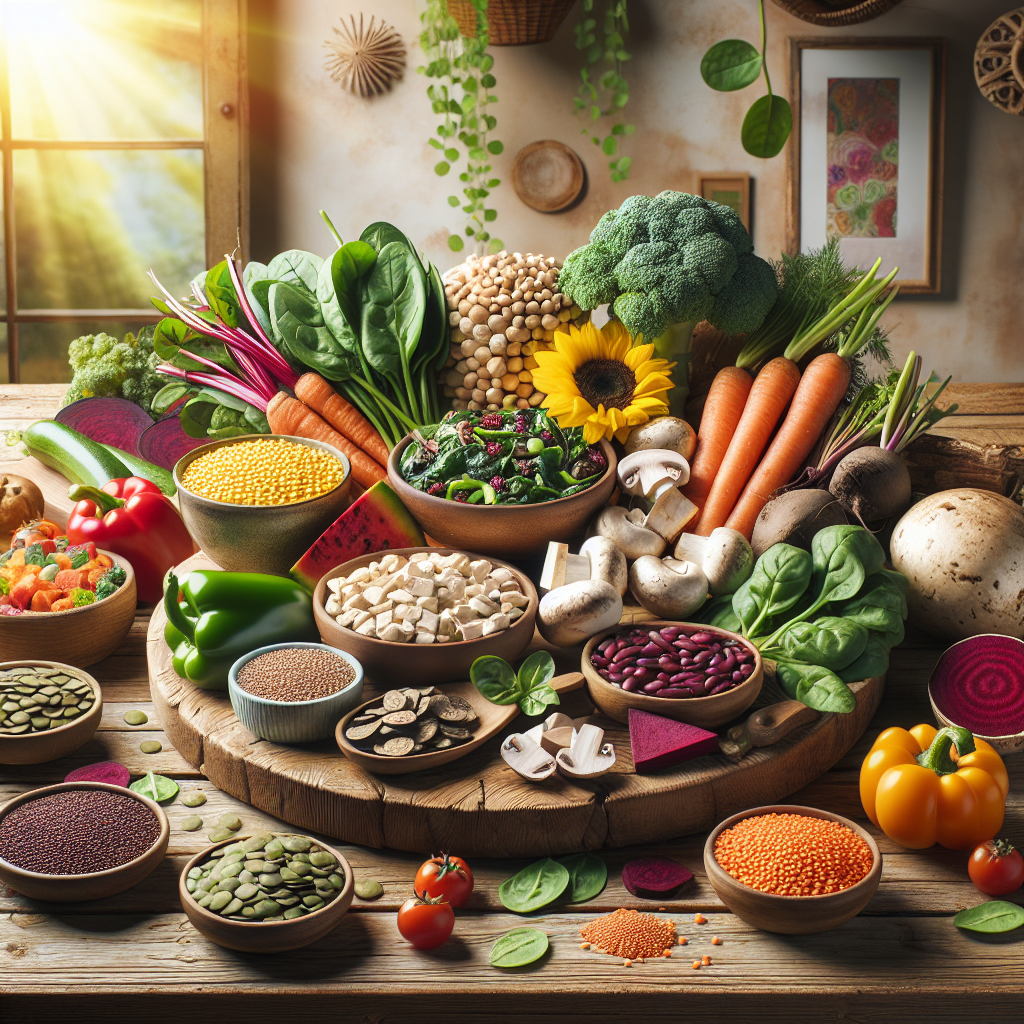
Iron is an essential mineral that plays a crucial role in maintaining good health. It is a key component of hemoglobin, the protein in red blood cells responsible for transporting oxygen throughout the body. Iron is also involved in numerous other physiological processes, including energy production and immune function. While many people associate iron with animal-based sources, there are plenty of plant-based options that can effectively help boost iron levels. This article will explore various plant-based powerhouses rich in iron, offer tips for enhancing iron absorption, and provide meal ideas to incorporate these nutrient-dense foods into your diet.
Understanding Iron Requirements
The recommended daily allowance (RDA) for iron varies based on age, gender, and life stage. Adult men typically require 8 mg of iron per day, while adult women need 18 mg due to menstrual blood loss. Pregnant women require even more, around 27 mg per day, to support fetal development. It’s important for vegetarians and vegans to be mindful of their iron intake, as plant-based iron (non-heme iron) is not absorbed as efficiently as the heme iron found in animal products.
Top Plant-Based Iron Sources
1. Legumes
Legumes, such as lentils, chickpeas, and beans, are excellent sources of iron. They are not only rich in this mineral but also provide a good amount of protein, making them a staple in vegetarian and vegan diets.
- Lentils: One cup of cooked lentils contains about 6.6 mg of iron, which is about 37% of the RDA for women and 83% for men.
- Chickpeas: A cup of cooked chickpeas offers approximately 4.7 mg of iron, making them a versatile addition to salads, soups, and stews.
- Beans: Varieties like black beans, kidney beans, and navy beans are all rich in iron, with each cup providing between 3 and 5 mg of the mineral.
2. Nuts and Seeds
Nuts and seeds are convenient and nutritious snacks that can significantly contribute to your daily iron intake. They also offer healthy fats, protein, and other essential nutrients.
- Pumpkin Seeds: Just 1 ounce of pumpkin seeds contains about 2.5 mg of iron, making them a perfect on-the-go snack.
- Sesame Seeds: These tiny seeds pack a punch with approximately 1.3 mg of iron per tablespoon. Tahini, a paste made from sesame seeds, is a delicious way to incorporate them into your diet.
- Almonds and Cashews: Both are good sources of iron, with 1 ounce of almonds providing 1 mg and cashews offering 1.9 mg.
3. Whole Grains
Whole grains are not only a great source of fiber but also provide a decent amount of iron. Including a variety of grains in your diet can help meet your nutritional needs.
- Quinoa: A gluten-free grain that offers about 2.8 mg of iron per cup when cooked.
- Oats: A nutritious breakfast option, with a cup of cooked oats providing around 1.7 mg of iron.
- Bulgur: This whole grain delivers about 1.75 mg of iron per cup when cooked.
4. Dark Leafy Greens
Dark leafy greens are not only rich in iron but also packed with vitamins, minerals, and antioxidants that promote overall health.
- Spinach: Raw spinach contains about 0.8 mg of iron per cup, while cooked spinach provides a more concentrated 6.4 mg per cup.
- Kale: This nutrient-dense green offers approximately 1 mg of iron per cup when cooked.
- Swiss Chard: A versatile leafy green with about 4 mg of iron per cooked cup.
5. Dried Fruits
Dried fruits are a sweet and iron-rich snack that can help boost your intake of this essential mineral.
- Apricots: A half-cup of dried apricots contains around 3.4 mg of iron.
- Prunes: Known for their digestive benefits, prunes also provide about 1.2 mg of iron per half-cup.
- Raisins: These dried grapes offer a convenient 1.4 mg of iron per half-cup.
Enhancing Iron Absorption
While plant-based sources of iron are abundant, enhancing the absorption of non-heme iron is crucial for meeting your daily requirements. Here are some strategies to boost iron absorption:
1. Pair with Vitamin C
Vitamin C significantly enhances the absorption of non-heme iron. Including vitamin C-rich foods like citrus fruits, strawberries, bell peppers, and broccoli in meals can help maximize iron uptake.
2. Avoid Inhibitors
Certain compounds can inhibit the absorption of iron. Tannins in tea and coffee, calcium in dairy products, and phytates found in some grains and legumes can all reduce iron absorption. It’s advisable to consume these foods and beverages separately from iron-rich meals.
3. Use Fermented Foods
Fermentation can help reduce phytate content in foods, thereby enhancing iron absorption. Incorporating fermented foods like tempeh, miso, and sauerkraut into your diet can be beneficial.
Incorporating Iron-Rich Foods into Your Diet
Incorporating plant-based iron sources into your meals doesn’t have to be challenging. Here are some meal ideas to help you get started:
Breakfast
- Iron-Rich Smoothie: Blend spinach, banana, almond milk, a tablespoon of almond butter, and a handful of strawberries for a nutrient-packed breakfast.
- Oatmeal Bowl: Cook oats with water and stir in chia seeds, raisins, and a sprinkle of cinnamon. Top with sliced almonds and a spoonful of tahini for added iron.
Lunch
- Chickpea Salad: Combine chickpeas, cherry tomatoes, cucumber, red onion, and parsley. Dress with lemon juice and olive oil for a refreshing iron-rich meal.
- Quinoa and Kale Bowl: Mix cooked quinoa with sautéed kale, pumpkin seeds, and a squeeze of lemon for a nourishing lunch option.
Dinner
- Lentil Curry: Prepare a hearty curry with lentils, tomatoes, coconut milk, and spices. Serve over brown rice for a satisfying meal.
- Stuffed Peppers: Fill bell peppers with a mixture of black beans, quinoa, corn, and diced tomatoes. Bake until the peppers are tender and enjoy.
Snacks
- Trail Mix: Create a custom trail mix with almonds, cashews, dried apricots, and dark chocolate chips for an iron-boosting snack.
- Hummus and Veggies: Pair homemade hummus with raw vegetables like carrots, bell peppers, and broccoli for a nutritious snack.
Conclusion
Boosting iron levels with plant-based powerhouses is not only possible but also a delicious and nutritious way to support overall health. By incorporating a variety of iron-rich foods into your diet and employing strategies to enhance absorption, you can ensure adequate iron intake and enjoy the numerous benefits of a well-balanced, plant-based lifestyle. With thoughtful planning and a diverse selection of foods, meeting your iron needs without animal products is entirely achievable.







Add comment