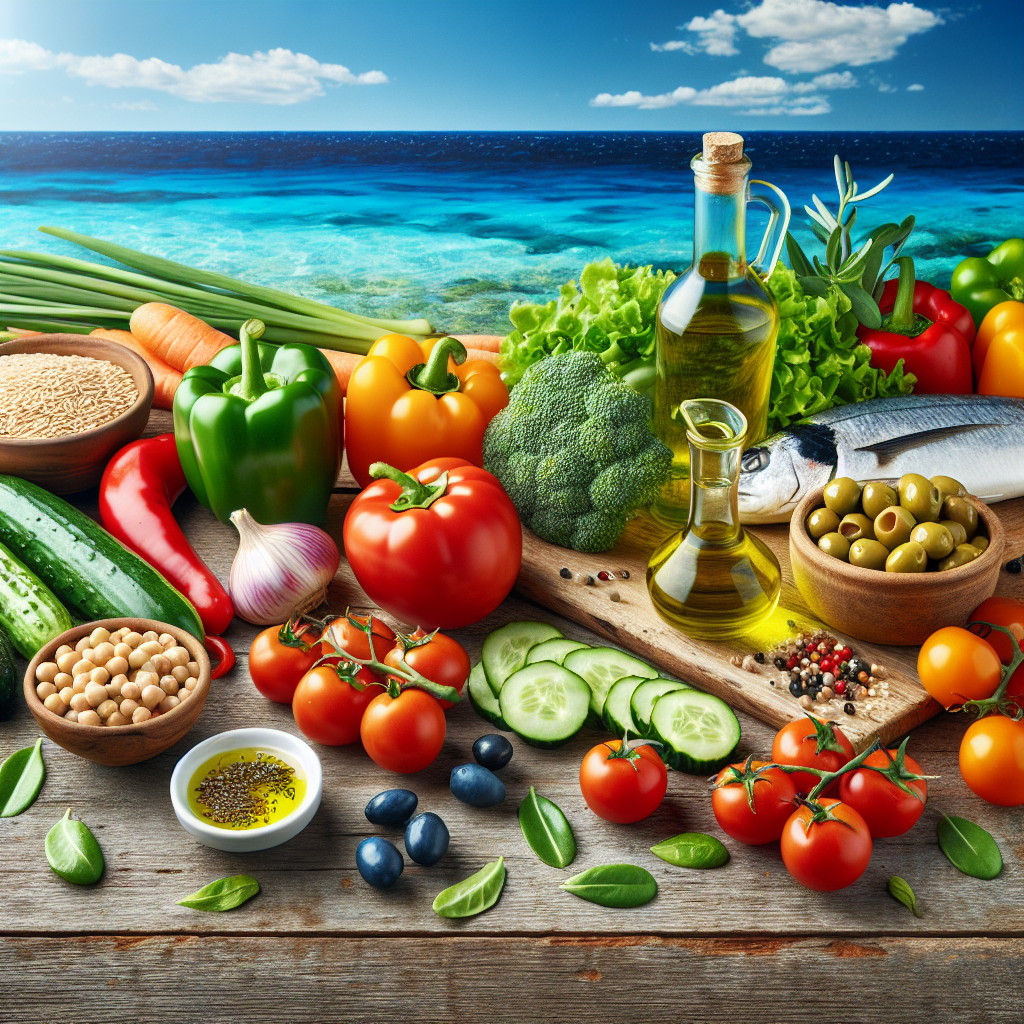
The Mediterranean diet has garnered global acclaim for its health benefits, delicious flavors, and sustainable eating patterns. Originating from the countries bordering the Mediterranean Sea, this diet is not just a regimen but a lifestyle that emphasizes fresh, whole foods, and communal eating. If you’re looking to enhance your health and enjoy delectable meals, here’s how you can kickstart your Mediterranean diet journey today.
Understanding the Mediterranean Diet
The Mediterranean diet is not a strict meal plan but a flexible guide that emphasizes the consumption of whole grains, fruits, vegetables, legumes, nuts, and healthy fats, primarily olive oil. It also includes moderate amounts of fish and poultry, while red meat and sweets are consumed sparingly. This dietary pattern reflects the traditional cooking styles of countries like Greece, Italy, and Spain.
Core Components
- Fruits and Vegetables: Aim to fill half your plate with these nutrient-rich foods. They provide essential vitamins, minerals, and antioxidants.
- Whole Grains: Opt for whole grains like brown rice, quinoa, and whole wheat bread instead of refined grains.
- Healthy Fats: Olive oil is the primary fat source, replacing butter and margarine. Nuts and seeds also contribute healthy fats.
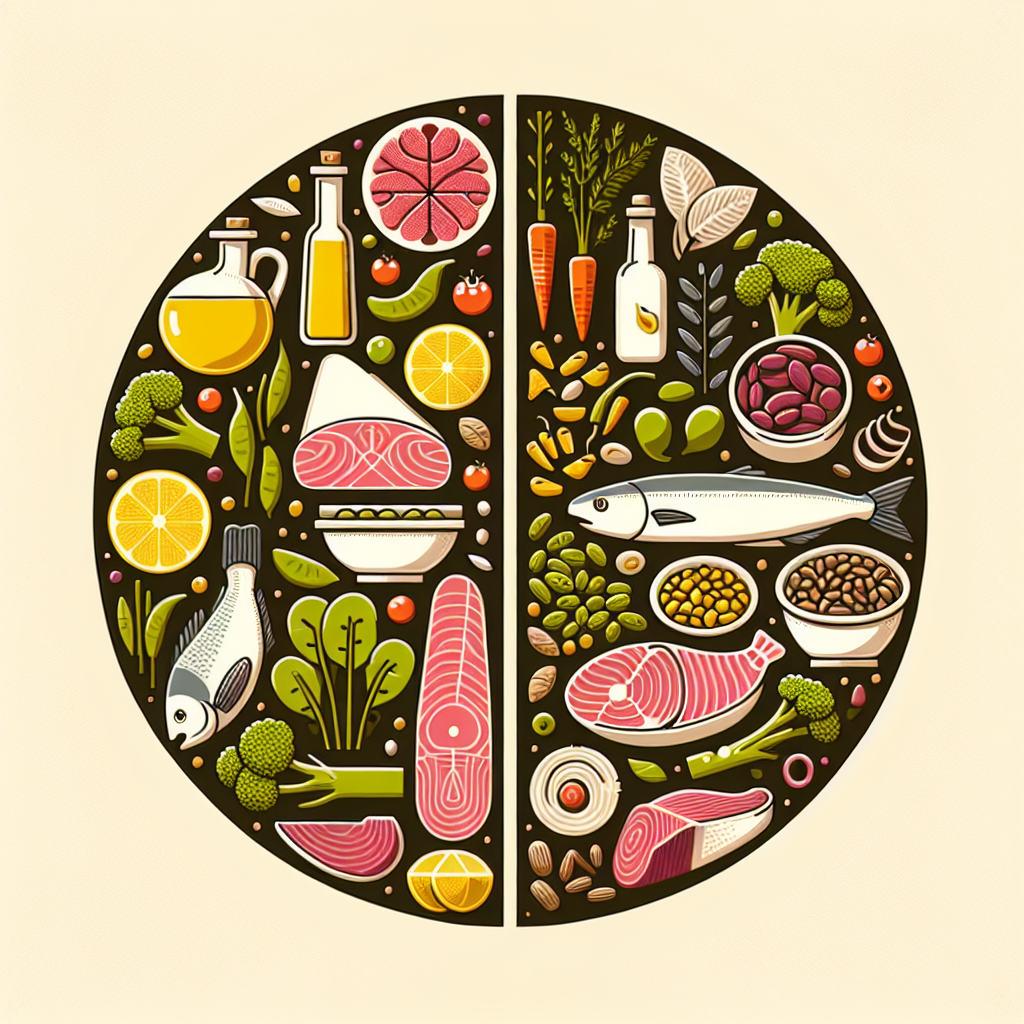
- Protein Sources: Focus on fish, particularly fatty fish like salmon, as well as poultry. Legumes are excellent plant-based protein sources.
- Dairy: Choose low-fat or non-fat dairy products, primarily in the form of yogurt and cheese.
- Herbs and Spices: Use these to flavor your dishes instead of salt.
- Red Wine: Consumed in moderation, often with meals. However, it’s not a requirement, especially if you don’t already drink alcohol.
Benefits of the Mediterranean Diet
The Mediterranean diet is consistently ranked as one of the healthiest diets. Here are some of its key benefits:
Heart Health
Rich in monounsaturated fats, omega-3 fatty acids, and antioxidants, this diet is associated with a reduced risk of heart disease. It improves cholesterol levels, reduces inflammation, and maintains healthy blood pressure.
Weight Management
While not specifically a weight-loss diet, the focus on whole foods can naturally lead to weight loss or maintenance by promoting satiety and reducing calorie intake.
Reduced Risk of Chronic Diseases
Studies suggest that the Mediterranean diet lowers the risk of type 2 diabetes, certain cancers, and neurodegenerative diseases like Alzheimer’s.
Longevity
Populations adhering to this diet often enjoy longer life expectancy and lower rates of chronic illness.
Getting Started with the Mediterranean Diet
Transitioning to a Mediterranean diet doesn’t have to happen overnight. Here are steps to seamlessly integrate this eating style into your life:
Start with Small Changes
Begin by incorporating more fruits and vegetables into your meals. Gradually replace refined grains with whole grains and swap out butter for olive oil.
Plan Your Meals
Meal planning is crucial. Create a weekly menu that includes a variety of foods from the Mediterranean diet. This ensures you have the necessary ingredients and reduces the temptation to resort to less healthy options.
Explore New Recipes
Experiment with new recipes that utilize Mediterranean staples. Dishes like Greek salad, ratatouille, and grilled fish with lemon and herbs are delicious starting points.
Mindful Eating
The Mediterranean diet is as much about the experience of eating as it is about the food itself. Take time to savor your meals, eat with family or friends, and pay attention to hunger and fullness cues.
Sample Meal Plan
Here’s a simple 3-day meal plan to help you start your Mediterranean journey:
Day 1
- Breakfast: Greek yogurt with honey, walnuts, and fresh berries.
- Lunch: Quinoa salad with cherry tomatoes, cucumbers, olives, feta cheese, and a drizzle of olive oil.
- Dinner: Baked salmon with lemon and dill, served with steamed asparagus and roasted sweet potatoes.
Day 2
- Breakfast: Whole grain toast with avocado and a poached egg.
- Lunch: Lentil soup with a side of mixed greens salad topped with olive oil and balsamic vinegar.
- Dinner: Grilled chicken breast with ratatouille and a side of brown rice.
Day 3
- Breakfast: Oatmeal topped with sliced almonds and fresh strawberries.
- Lunch: Hummus and vegetable wrap with whole grain tortilla and a side of tzatziki.
- Dinner: Spaghetti with marinara sauce, a sprinkle of parmesan cheese, and a side of sautéed spinach.
Overcoming Challenges
Switching to a Mediterranean diet may come with challenges, particularly if you’re used to a different eating style. Here are some tips to overcome common obstacles:
Dealing with Cravings
It’s normal to have cravings for processed foods or sweets. Combat this by ensuring your meals are balanced and satisfying, and allow yourself occasional treats in moderation.
Time Constraints
Cooking from scratch can be time-consuming. Utilize batch cooking, prepare large portions for leftovers, and choose quick recipes on busy days.
Budget Considerations
While some Mediterranean staples can be expensive, focus on seasonal produce, buy in bulk, and plan meals to reduce waste. Plant-based proteins like beans and lentils are cost-effective options.
Conclusion
Embracing the Mediterranean diet can transform your health and culinary experience. By focusing on fresh, whole foods and enjoying meals mindfully, you can reap the numerous benefits this diet offers. Start your journey today with small, manageable changes, and enjoy the vibrant flavors and health rewards of the Mediterranean lifestyle.











Add comment