“`html
Introduction
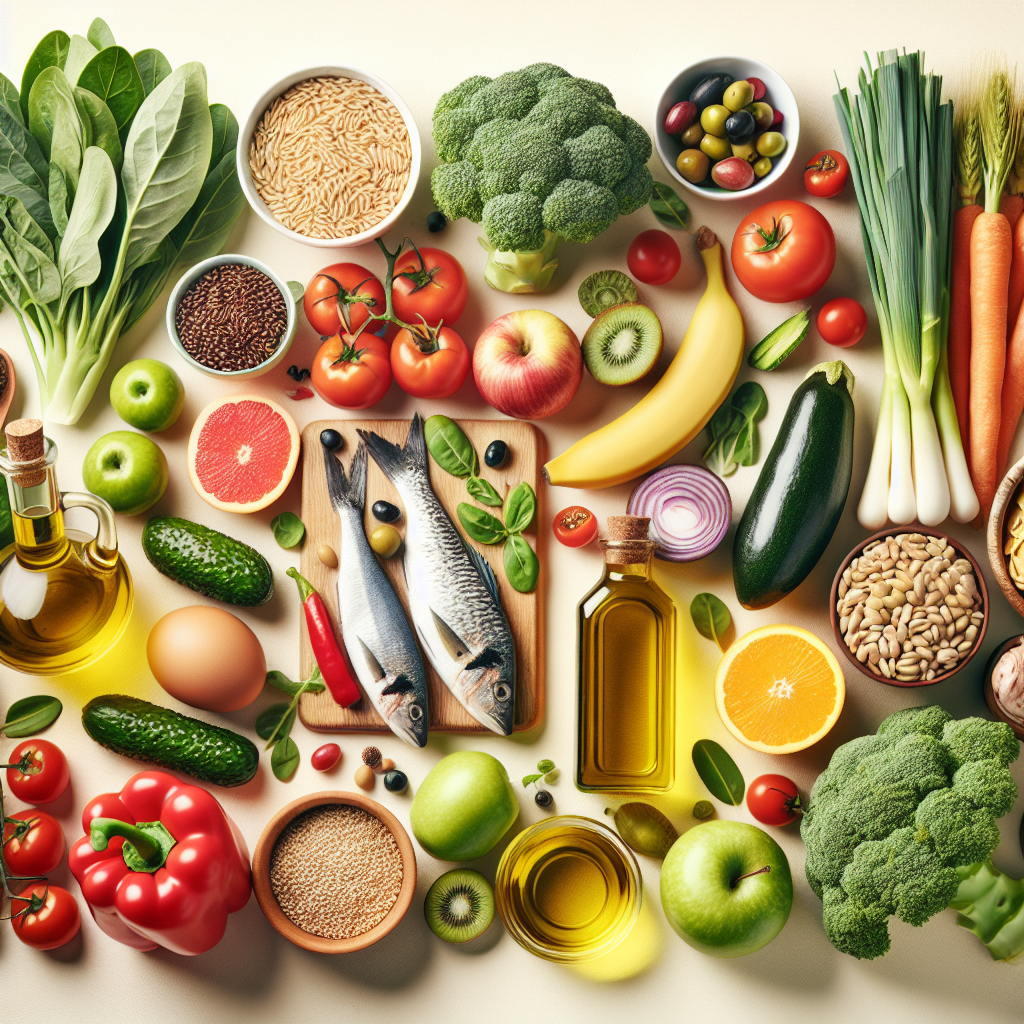
The Mediterranean diet has gained global recognition for its numerous health benefits and its role in promoting longevity and reducing the risk of chronic diseases. Originating from the traditional dietary patterns of countries bordering the Mediterranean Sea, this diet emphasizes whole foods, healthy fats, and an abundance of fruits and vegetables. In this article, we will delve into the essential foods that form the backbone of the Mediterranean diet and explore how they contribute to vibrant health.
Olive Oil: The Cornerstone of the Mediterranean Diet
A staple in Mediterranean cuisine, olive oil is renowned for its heart-healthy properties. Rich in monounsaturated fats, particularly oleic acid, olive oil has been shown to reduce inflammation and improve cardiovascular health. Its high antioxidant content, including vitamin E and polyphenols, further enhances its protective effects against oxidative stress and chronic diseases.
Benefits of Olive Oil
1. **Heart Health**: Regular consumption of olive oil is associated with a reduced risk of heart disease by improving lipid profiles and reducing blood pressure.
2. **Anti-inflammatory Properties**: The polyphenols in olive oil have anti-inflammatory effects, which may help prevent chronic conditions like arthritis.
3. **Antioxidant Protection**: Olive oil’s antioxidants combat free radicals, protecting cells from damage and reducing the risk of cancer.
Fruits and Vegetables: The Foundation of Vibrant Health
Fruits and vegetables are central to the Mediterranean diet, providing essential vitamins, minerals, and fiber. They are low in calories yet rich in nutrients, making them ideal for maintaining a healthy weight and preventing chronic diseases.
Key Fruits and Vegetables
1. **Tomatoes**: High in lycopene, tomatoes are linked to a reduced risk of heart disease and certain cancers.
2. **Leafy Greens**: Spinach, kale, and other leafy greens are rich in vitamins A, C, and K, as well as minerals like calcium and iron.
3. **Berries**: Blueberries, strawberries, and raspberries are high in antioxidants, which help protect against oxidative stress and inflammation.
Whole Grains: Nutrient-Rich Carbohydrates
The Mediterranean diet emphasizes whole grains over refined grains, promoting foods like whole wheat, barley, and quinoa. Whole grains are a rich source of fiber, vitamins, and minerals, which contribute to digestive health and stable blood sugar levels.
Health Benefits of Whole Grains
1. **Digestive Health**: The fiber in whole grains supports a healthy gut by promoting regular bowel movements and serving as food for beneficial gut bacteria.
2. **Blood Sugar Control**: Whole grains have a lower glycemic index than refined grains, helping to maintain stable blood sugar levels.
3. **Weight Management**: The satiety provided by whole grains can aid in weight management and reduce the risk of obesity.
Legumes: Plant-Based Protein Powerhouses
Legumes, including beans, lentils, and chickpeas, are an integral part of the Mediterranean diet. They are a valuable source of plant-based protein, fiber, and essential nutrients like iron and folate.
Benefits of Including Legumes
1. **Protein Source**: Legumes provide a plant-based protein option for those reducing meat consumption.
2. **Heart Health**: Their high fiber content helps lower cholesterol levels and reduces the risk of heart disease.
3. **Blood Sugar Regulation**: Legumes have a low glycemic index, aiding in blood sugar management and reducing the risk of type 2 diabetes.
Nuts and Seeds: Nutrient-Dense Snacks
Nuts and seeds are nutrient-dense foods that provide healthy fats, protein, and a variety of vitamins and minerals. Common choices in the Mediterranean diet include almonds, walnuts, and flaxseeds.
Health Benefits of Nuts and Seeds
1. **Heart Health**: Nuts and seeds are rich in unsaturated fats and omega-3 fatty acids, which are beneficial for heart health.
2. **Weight Management**: Despite being energy-dense, nuts and seeds can aid in weight management due to their ability to increase satiety.
3. **Antioxidant Properties**: These foods contain antioxidants like vitamin E and selenium, which protect against oxidative damage.
Fish and Seafood: Rich in Omega-3 Fatty Acids
Fish and seafood are crucial components of the Mediterranean diet, providing high-quality protein and essential omega-3 fatty acids. Regular consumption of fish, such as salmon, sardines, and mackerel, is linked to numerous health benefits.
Advantages of Eating Fish and Seafood
1. **Heart Health**: Omega-3 fatty acids in fish reduce triglycerides, lower blood pressure, and decrease the risk of heart disease.
2. **Brain Health**: Omega-3s are vital for brain function and may reduce the risk of cognitive decline and Alzheimer’s disease.
3. **Inflammatory Regulation**: Omega-3s have anti-inflammatory effects, which can benefit conditions like arthritis.
Herbs and Spices: Flavorful and Health-Promoting
Herbs and spices not only enhance the flavor of Mediterranean dishes but also offer a range of health benefits. Commonly used herbs and spices include garlic, oregano, basil, and rosemary.
Health Benefits of Herbs and Spices
1. **Antioxidant Properties**: Many herbs and spices are rich in antioxidants, which help fight oxidative stress.
2. **Anti-inflammatory Effects**: Spices like turmeric contain compounds that reduce inflammation.
3. **Flavor Enhancement**: They allow for flavor enhancement without the need for excessive salt or sugar.
Dairy in Moderation: A Source of Calcium and Probiotics
While the Mediterranean diet includes dairy, it is consumed in moderation, focusing on yogurt and cheese. These foods are excellent sources of calcium and probiotics.
Benefits of Dairy Products
1. **Bone Health**: Calcium-rich dairy products support bone health and reduce the risk of osteoporosis.
2. **Digestive Health**: Probiotic-rich yogurt promotes a healthy gut microbiome.
3. **Protein Source**: Dairy products provide high-quality protein essential for muscle maintenance.
Red Wine: Enjoyed in Moderation
Red wine, consumed in moderation, is a characteristic of the Mediterranean diet. It contains resveratrol, an antioxidant linked to heart health.
Health Considerations of Red Wine
1. **Heart Health**: Moderate red wine consumption is associated with improved heart health and reduced risk of heart disease.
2. **Longevity**: Some studies suggest moderate wine consumption may be linked to increased longevity.
3. **Social Enjoyment**: Drinking wine in moderation often accompanies meals and social gatherings, enhancing the overall dining experience.
Conclusion
The Mediterranean diet is celebrated not only for its delicious and diverse foods but also for its profound health benefits. By incorporating these essential foods into your daily meals, you can enjoy vibrant health and reduce the risk of chronic diseases. Emphasizing whole, nutrient-rich foods like olive oil, fruits, vegetables, whole grains, legumes, nuts, and fish, while enjoying dairy and red wine in moderation, forms the foundation of this time-tested dietary pattern. Embrace the Mediterranean way of eating to nourish your body and enjoy a life full of vitality and well-being.
“`











Add comment