
Introduction to the Mediterranean Diet
The Mediterranean diet is more than just a way of eating; it’s a cultural phenomenon that has captivated the interest of nutritionists, health enthusiasts, and culinary experts worldwide. Rooted in the traditional eating habits of countries bordering the Mediterranean Sea, such as Greece, Italy, and Spain, this diet emphasizes the consumption of whole, minimally processed foods. It is renowned not only for its delectable flavors but also for its numerous health benefits, which have been extensively documented in scientific research.
The Core Components of the Mediterranean Diet
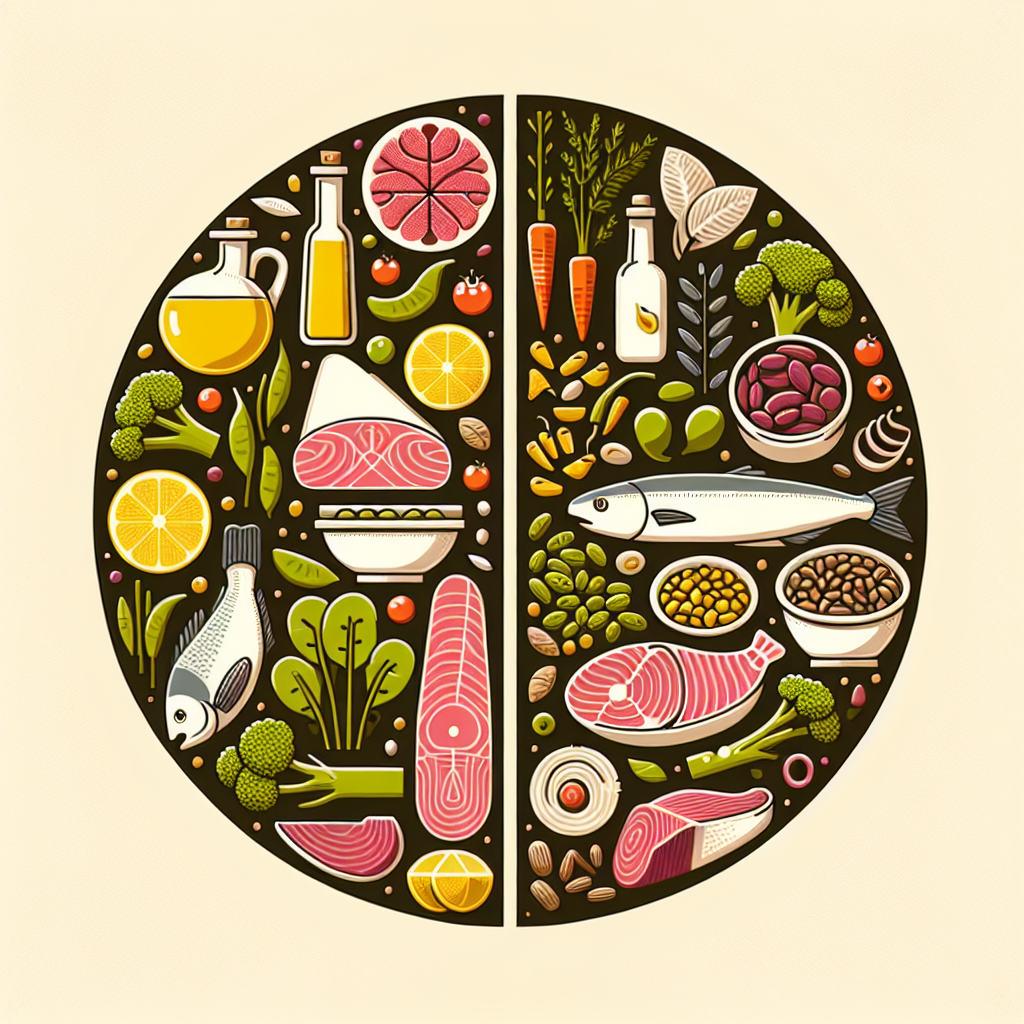
The Mediterranean diet is characterized by its high consumption of plant-based foods. This includes a variety of fruits, vegetables, whole grains, legumes, nuts, and seeds. Olive oil is the primary source of fat, known for its monounsaturated and polyunsaturated fatty acids. Fish and seafood are consumed regularly, while poultry, eggs, and dairy are eaten in moderate amounts. Red meat and sweets are consumed sparingly.
Emphasis on Plant-Based Foods
At the heart of the Mediterranean diet is a rich array of vegetables, fruits, and legumes. These foods are packed with essential vitamins, minerals, and dietary fiber, all of which contribute to overall health. The high intake of fiber helps in maintaining digestive health and reducing the risk of chronic diseases.
Healthy Fats
Unlike many other diets that restrict fat intake, the Mediterranean diet embraces healthy fats. Olive oil is a staple, providing a rich source of monounsaturated fats, which are known to improve heart health by reducing levels of bad cholesterol (LDL) and increasing good cholesterol (HDL). Nuts and seeds also contribute beneficial fats and are encouraged as snacks or meal components.
Lean Proteins
Fish and seafood, rich in omega-3 fatty acids, are central to the Mediterranean diet. Omega-3s are essential for heart health, reducing inflammation, and supporting brain function. The consumption of fish, such as salmon, sardines, and mackerel, is recommended at least twice a week.
Health Benefits of the Mediterranean Diet
The Mediterranean diet has been extensively studied, and its health benefits are well-documented. It is associated with a reduced risk of several chronic diseases and conditions.
Cardiovascular Health
One of the most significant benefits of the Mediterranean diet is its positive impact on heart health. Studies have shown that this diet can lower the risk of heart disease by improving cholesterol levels, lowering blood pressure, and reducing inflammation. The combination of healthy fats, fiber-rich foods, and antioxidants from fruits and vegetables contributes to a healthier cardiovascular system.
Weight Management
With an emphasis on whole foods and healthy fats, the Mediterranean diet can support weight loss and maintenance. The high fiber content promotes feelings of fullness, reducing the likelihood of overeating. Furthermore, the diet’s balanced approach to macronutrients helps prevent the yo-yo effect often seen with restrictive diets.
Diabetes Prevention and Management
The Mediterranean diet’s low intake of processed sugars and refined carbohydrates, combined with its high fiber content, improves blood sugar control. This makes it an effective strategy for preventing and managing type 2 diabetes. Research indicates that individuals following this diet experience better glycemic control and a lower risk of developing diabetes-related complications.
Cognitive Health
The diet’s rich nutrient profile, particularly its omega-3 fatty acids, antioxidants, and polyphenols, supports brain health. Studies suggest that adherence to the Mediterranean diet is associated with a reduced risk of cognitive decline and neurodegenerative diseases, such as Alzheimer’s disease. The diet may enhance cognitive function and memory, contributing to improved overall brain health.
Longevity and Quality of Life
Adopting the Mediterranean diet has been linked to increased longevity and a higher quality of life. The diet’s protective effects against chronic diseases, combined with its nutrient-dense components, contribute to a longer, healthier life. The lifestyle associated with this diet, including regular physical activity and social engagement, further enhances well-being.
Practical Tips for Adopting the Mediterranean Diet
Transitioning to the Mediterranean diet can be a delicious and rewarding journey. Here are some practical tips to help you get started:
Incorporate More Vegetables and Fruits
Make vegetables and fruits the centerpiece of your meals. Aim for a variety of colors and types to ensure a broad spectrum of nutrients.
Choose Healthy Fats
Replace butter and margarine with olive oil for cooking and dressing salads. Include nuts and seeds as snacks or meal additions.
Opt for Whole Grains
Choose whole grains such as brown rice, quinoa, and whole-wheat pasta instead of refined grains. These provide more fiber and nutrients.
Include Fish and Seafood
Incorporate fish and seafood into your meals at least twice a week. Experiment with different types to keep your meals interesting and nutrient-rich.
Moderate Dairy and Meat Consumption
Opt for low-fat or non-fat dairy products and limit red meat intake. Choose poultry or plant-based proteins more frequently.
Enjoy Meals with Family and Friends
The Mediterranean lifestyle emphasizes the importance of social connections and enjoying meals with others. Take time to savor your food and enjoy the company of loved ones.
Conclusion
The Mediterranean diet is not just a diet; it’s a way of life that promotes health, longevity, and a sense of well-being. Its emphasis on whole foods, healthy fats, and lean proteins offers a sustainable and enjoyable approach to eating. By adopting the Mediterranean diet, you can unlock a myriad of health benefits while savoring the rich, diverse flavors of the Mediterranean region.











Add comment