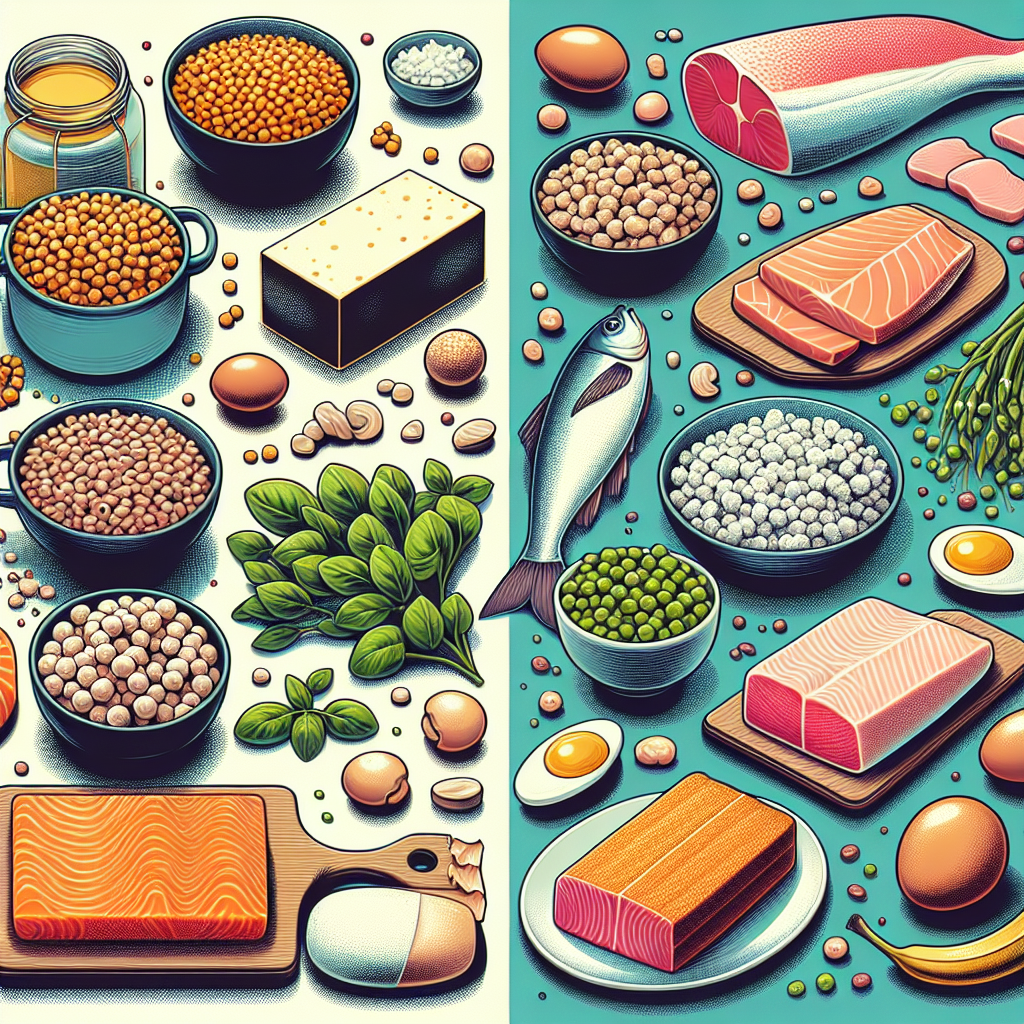
In the quest for a healthier lifestyle, understanding the balance of macronutrients in your diet is crucial. Among these, protein holds a vital place due to its role in muscle building, repair, and overall body maintenance. For those aiming to manage or reduce their calorie intake without sacrificing protein, selecting the right sources is essential. This article delves into the best low-calorie protein sources, perfect for anyone looking to maintain their fitness goals while keeping their calorie count in check.
The Importance of Protein in a Low-Calorie Diet
Protein is an essential macronutrient that plays a critical role in numerous bodily functions, including the repair and growth of tissues, enzyme function, and immune response. For those on a calorie-restricted diet, maintaining adequate protein intake is crucial to avoid muscle loss and support metabolic health. Additionally, protein is known for its satiating effect, helping to curb hunger and reduce overall calorie consumption.
When choosing proteins, the goal is to find options that are nutrient-dense yet low in calories. This ensures that you get the necessary protein intake without exceeding your daily calorie limit.
Top Low-Calorie Protein Sources
1. Skinless Chicken Breast
Chicken breast is a staple in many healthy diets due to its high protein content and low calorie count. A 100-gram serving of cooked skinless chicken breast contains approximately 165 calories and 31 grams of protein. It’s also low in fat, making it an excellent choice for those looking to increase their protein intake without the added calories.
2. Turkey Breast
Similar to chicken, turkey breast is another lean poultry option. It provides about 135 calories and 30 grams of protein per 100 grams. Its low-fat content and versatility in cooking make it an ideal protein source for those on a calorie-controlled diet.
3. Egg Whites
Egg whites are incredibly low in calories while being rich in protein. One large egg white contains about 17 calories and 3.6 grams of protein. They are devoid of fat and cholesterol, which are found in the yolk, making them an excellent choice for heart-healthy diets. Egg whites can be used in a variety of dishes, from omelets to protein shakes.
4. Greek Yogurt
Non-fat Greek yogurt is a fantastic low-calorie protein source. A 170-gram serving provides roughly 100 calories and 17 grams of protein. It also offers probiotics, which promote gut health. Greek yogurt can be enjoyed on its own, with fruits, or as a base for smoothies and sauces.
5. Cottage Cheese
Cottage cheese is another dairy product rich in protein. A half-cup serving of low-fat cottage cheese contains around 80 calories and 14 grams of protein. It’s an excellent choice for a snack or meal component, offering a creamy texture with minimal calories.
6. Tofu
For vegetarians and vegans, tofu is an excellent low-calorie protein source. A 100-gram serving of firm tofu contains approximately 70 calories and 8 grams of protein. Tofu is versatile and can absorb flavors well, making it suitable for a wide range of dishes.
7. Lentils
Lentils are a plant-based protein source that is both low in calories and rich in nutrients. A cup of cooked lentils contains about 230 calories and 18 grams of protein. They are also high in fiber, which aids digestion and increases satiety, helping to control appetite.
8. Fish
Fish, particularly lean varieties like cod and tilapia, offer high protein with fewer calories. A 100-gram serving of cod contains approximately 82 calories and 18 grams of protein. Fish is also an excellent source of omega-3 fatty acids, beneficial for heart health.
9. Shrimp
Shrimp is another seafood option that is high in protein and low in calories. A 100-gram serving of cooked shrimp provides around 99 calories and 24 grams of protein. Shrimp is low in fat and can easily be incorporated into various dishes, from salads to stir-fries.
10. Edamame
Edamame, or young soybeans, are a nutritious snack rich in protein. A half-cup serving of shelled edamame contains approximately 94 calories and 9 grams of protein. They are also a good source of fiber, vitamins, and minerals, making them a well-rounded addition to any diet.
Incorporating Low-Calorie Protein Sources into Your Diet
Integrating these low-calorie protein sources into your diet can be straightforward and delicious. Here are some tips to help you make the most of these foods:
- Plan Your Meals: Ensure each meal includes a portion of lean protein. This will help keep you full and satisfied throughout the day.
- Experiment with Cooking Methods: Try grilling, baking, or steaming these proteins to maintain their nutritional value without adding extra fat or calories.
- Use Spices and Herbs: Enhance the flavor of your protein sources with herbs and spices instead of high-calorie sauces or marinades.
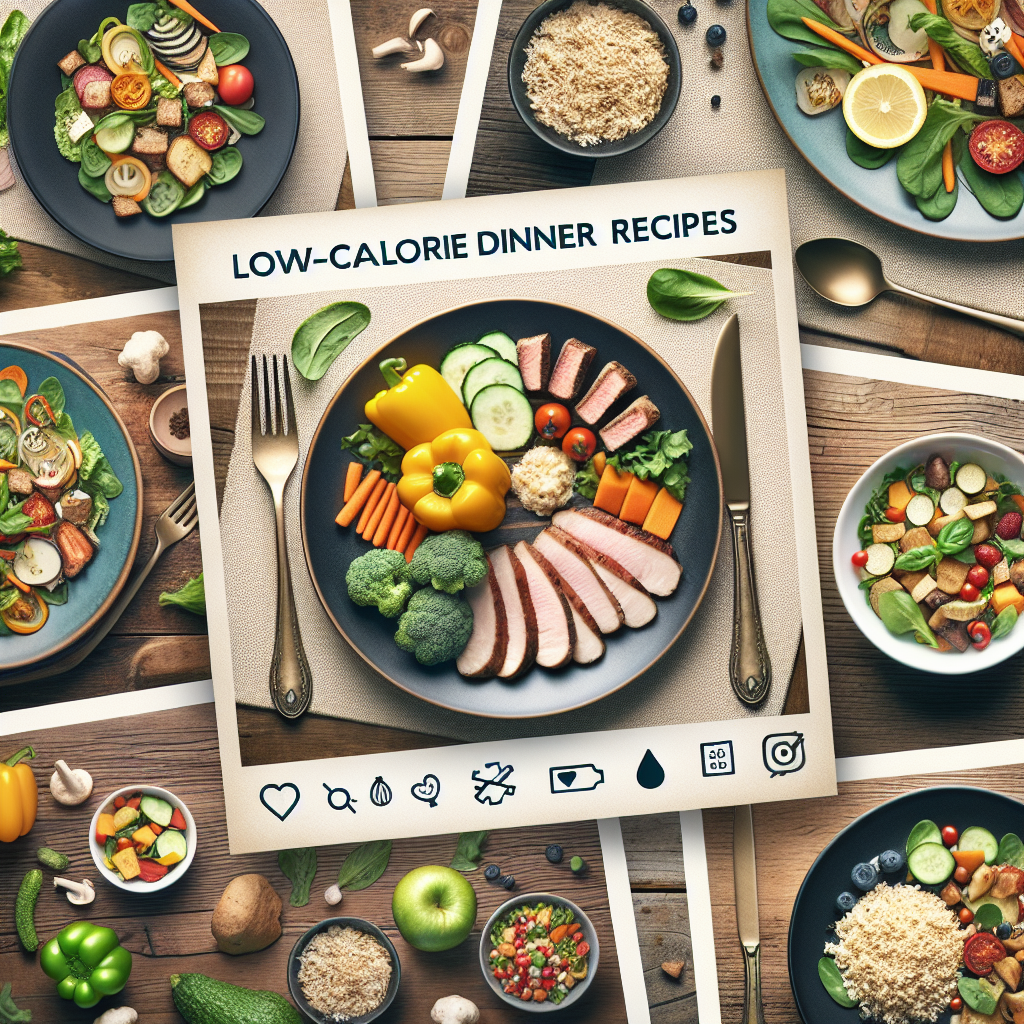
- Combine with Vegetables: Pair your proteins with a variety of vegetables to create balanced meals rich in vitamins, minerals, and fiber.
Conclusion
Choosing the right protein sources is crucial for anyone looking to maintain or improve their health while managing calorie intake. The options listed above provide ample protein without excessive calories, making them ideal for a low-calorie diet. Incorporating a variety of these proteins into your meals can help you achieve your nutritional goals while enjoying diverse and flavorful dishes. Remember that balance is key in any diet, and these low-calorie protein sources can be a valuable part of a well-rounded, healthy eating plan.










Add comment