
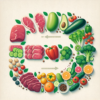
The Paleo diet, also known as the Paleolithic or caveman diet, is designed to mimic the eating habits of our ancestors from the Paleolithic era. It’s based on whole, unprocessed foods that could have been hunted or gathered, such as lean meats, fish, fruits, vegetables, nuts, and seeds. While many people have experienced significant health benefits from adopting this dietary approach, there are several common pitfalls that can prevent you from achieving optimal results. In this article, we’ll explore these pitfalls and provide strategies to avoid them, ensuring a successful Paleo journey.
Overconsumption of Meat
One of the most frequent mistakes people make when starting the Paleo diet is consuming too much meat. While the diet does emphasize animal protein, it’s essential to maintain a balanced intake of all food groups allowed within the diet. Overconsumption of meat can lead to excessive saturated fat and cholesterol intake, which may increase the risk of heart disease.
Solution
Balance your plate with a variety of protein sources, including fish, poultry, and plant-based proteins like nuts and seeds. Incorporate plenty of vegetables to ensure a diverse intake of nutrients, and choose lean cuts of meat when possible.
Neglecting Carbohydrates
Another common pitfall is the misconception that carbohydrates are entirely off-limits on the Paleo diet. While it is true that refined grains and sugars are excluded, this doesn’t mean that all carbs should be avoided. Carbohydrates are essential for providing energy, especially for those with an active lifestyle.
Solution
Include carbohydrate-rich vegetables and fruits like sweet potatoes, squash, and bananas. These foods provide essential nutrients and fiber, promoting better digestion and sustained energy levels.
Ignoring Portion Control
Many people incorrectly assume that they can eat unlimited quantities of Paleo-approved foods. While these foods are generally healthier, consuming them in excess can still lead to weight gain or hinder weight loss goals.
Solution
Practice mindful eating by paying attention to hunger and fullness cues. Use portion control techniques like smaller plates, and be cautious with calorie-dense foods such as nuts and oils.
Relying on Processed Paleo Products
The market is flooded with processed foods labeled as “Paleo-friendly,” such as snack bars and packaged meals. While these can be convenient, they often contain added sugars, preservatives, and other unhealthy ingredients that contradict the principles of the Paleo diet.
Solution
Focus on whole, natural foods that are minimally processed. Prepare meals at home using fresh ingredients, allowing you to have complete control over what goes into your body.
Ignoring Nutritional Variety
Sticking to a limited range of foods can lead to nutritional deficiencies and reduce the effectiveness of the Paleo diet. Consuming a wide variety of foods ensures you receive a broad spectrum of vitamins, minerals, and other essential nutrients.
Solution
Experiment with different fruits, vegetables, and proteins to keep your meals exciting and nutritionally balanced. Diversifying your diet can prevent boredom and promote long-term adherence to the diet.
Overlooking the Importance of Fats
Fats are a critical component of the Paleo diet and are necessary for hormone production, brain function, and overall health. However, not all fats are created equal, and consuming the wrong types can be detrimental to your health.
Solution
Incorporate healthy fats from sources such as avocados, olive oil, coconut oil, and fatty fish like salmon. Avoid trans fats and heavily processed oils, and aim for a balance of omega-3 and omega-6 fatty acids.
Forgetting About Hydration
While food choices are a central focus of the Paleo diet, adequate hydration is equally important. Dehydration can lead to fatigue, headaches, and impaired cognitive function, hindering your overall well-being.
Solution
Drink plenty of water throughout the day, and include hydrating foods such as cucumbers and melons in your diet. Herbal teas and coconut water are also excellent options for staying hydrated.
Not Planning Meals in Advance
Failing to plan meals can lead to poor food choices, especially when you’re busy or on-the-go. Without a plan, you may find yourself resorting to convenient but non-Paleo options.
Solution
Set aside time each week to plan and prepare meals. Batch cooking and having Paleo-friendly snacks on hand can help you stay on track with your dietary goals, even on busy days.
Misunderstanding the Role of Exercise
The Paleo lifestyle is not just about diet; it also emphasizes physical activity. Some people focus solely on their eating habits and neglect the exercise component, which can hinder overall health and fitness.
Solution
Incorporate regular physical activity into your routine, such as strength training, cardio, or recreational sports. Exercise complements the Paleo diet by promoting muscle growth, improving cardiovascular health, and boosting mood.
Conclusion
The Paleo diet offers numerous health benefits by promoting whole foods and a natural way of eating. However, to maximize these benefits and avoid common pitfalls, it’s crucial to maintain a balanced approach. By paying attention to portion sizes, diversifying your food choices, staying hydrated, and incorporating regular exercise, you can successfully navigate the Paleo diet and enjoy its full range of advantages. Remember, the key to any successful dietary change is consistency and mindfulness.












Add comment